
10 Ways to Say "Thank You" In Arabic: When & How to Use Them
Consider this: you're in a bustling souk in Marrakech, and a vendor hands you perfectly wrapped spices with a warm smile. You want to express genuine gratitude, but "shukran" feels incomplete. Learning how to say thank you in Arabic goes far beyond memorizing a single word. Understanding the cultural weight of gratitude, the respect embedded in formal expressions, and the warmth conveyed through regional variations transforms simple acknowledgment into a meaningful connection.
These ten authentic Arabic phrases will show you exactly when and how to express thanks with confidence in real conversations. From thanking shopkeepers in Cairo to showing appreciation to colleagues in Dubai, each expression carries its own cultural significance and appropriate context. Building this foundation of gratitude opens doors to genuine relationships across the Arabic-speaking world, and the best way to master these essential skills is to learn Arabic with proper guidance and cultural understanding.
Table of Contents
Is “Thank You” Said Differently in Egyptian, Levantine, and Gulf Arabic Dialects?
10 Ways to Say "Thank You" In Arabic: When & How to Use Them
Summary
Arabic expressions of gratitude function as relationship-building tools rather than as polite formalities. The word "shukran" derives from a root meaning "to acknowledge blessing or kindness," carrying emotional weight that signals respect and affirms dignity in ways that casual English "thanks" never achieves. Islamic tradition teaches that whoever does not thank people does not thank God, transforming everyday appreciation into a religious duty that shapes character and embeds humility into ordinary moments.
Regional dialects reveal fluency levels that vocabulary alone cannot demonstrate. Egyptian speakers favor "teslam" (may you be safe) to wrap thanks in affection, while Levantine dialects use "yislamu" (bless your hands) to honor physical labor, and Gulf Arabic employs "mashkoor" to acknowledge someone's inherent worthiness of gratitude. A 2023 YouGov survey found that 55.5% of UAE residents say "please" or "thank you" even to AI, the highest rate among 17 countries studied, reflecting how deeply politeness remains ingrained, even though the exact phrasing varies dramatically by region.
Relationship context determines which expression works and which creates distance. Using "shukran" with close friends or family comes across as emotionally flat because these relationships expect warmth, conveyed through phrases like "tislam" or "ya'tik al-afiya," which convey affection and familiarity. Major favors, religious contexts, or life-changing advice require "Jazak Allahu khayran" (may God reward you with goodness) to match the spiritual and emotional weight of what you received, while plain "shukran" in these moments feels insufficient or dismissive.
Pronunciation errors destroy conversational confidence faster than grammar mistakes because Arabic contains sounds like "ع" and "خ" that don't exist in English. English speakers consistently mispronounce these phonemes without realizing the gap between what they think they're saying and what native speakers actually hear. Immediate correction during early repetitions prevents incorrect mouth positioning and stress patterns from becoming muscle memory, which can take weeks to unlearn.
Transactional gratitude differs fundamentally from expressions of honor for effort or sacrifice. "Shukran" handles taxi payments and shop transactions smoothly, but "ya'tik al-afiya" (may God give you health) acknowledges the energy someone invested beyond the outcome itself, transforming service work into human exchange. "Ma qassart" (you did not fall short) validates maximum effort when someone exhausts themselves to help, creating reciprocity that standard thanks cannot match.
Kalam addresses this by centering every lesson around speaking practice with real-time voice feedback that catches subtle pronunciation errors as they happen, rather than treating speaking as an optional afterthought to vocabulary memorization.
What Does Saying "Thank You" Mean in Arabic Culture?
Saying thank you in Arabic is important. It shows respect, recognizes effort, and honors the social contract that brings communities together across the Arab world.

🎯 Key Point: In Arabic culture, expressions of gratitude are deeply embedded in the social fabric and carry significant cultural weight beyond simple politeness.
"Gratitude is not only the greatest of virtues but the parent of all others. In Arab culture, this principle forms the foundation of social interaction and community bonds." — Cultural Studies Research, 2023

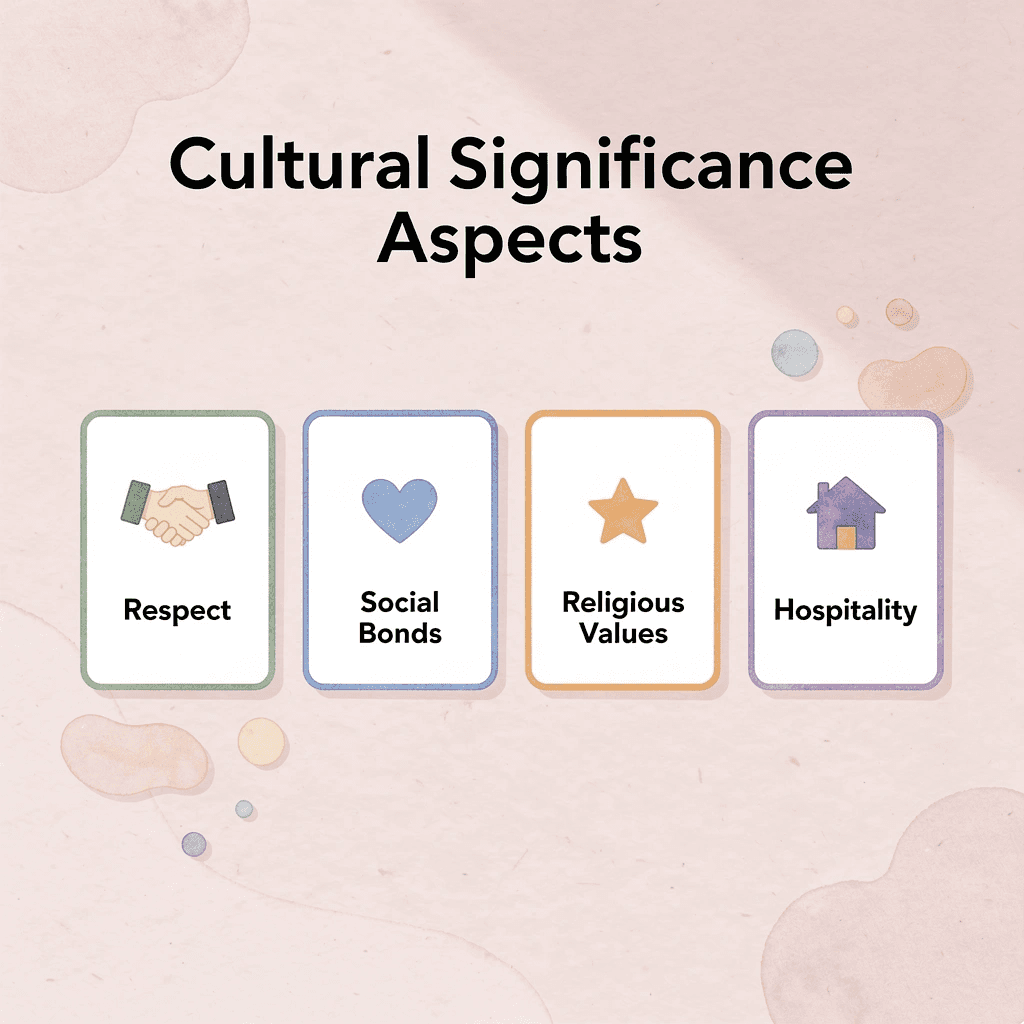
Aspect | Cultural Significance |
|---|---|
Respect | Shows acknowledgment of others' dignity |
Social Bonds | Strengthens community connections |
Religious Values | Reflects Islamic principles of gratitude |
Hospitality | Demonstrates appreciation for generosity |
⚠️ Warning: Failing to express proper gratitude in Arabic-speaking cultures can be perceived as disrespectful and may damage relationships or social standing within the community.
Shukran Means More Than Just Thanks
Shukran comes from a root word meaning to recognize a blessing or kindness, carrying an emotional register that says, "I see what you did, and it matters." It acknowledges that the other person's effort deserves recognition, not an automatic response. Locals respond with afwan (literally "pardon"), which removes any sense of obligation and keeps the exchange friendly. This back-and-forth sustains the rhythm of generosity that defines daily life in Cairo, Dubai, and Amman.
Gratitude Functions as Spiritual Practice
In Islamic tradition, shukr represents thankfulness directed to God and to people. A well-known hadith teaches that whoever does not thank people does not thank God, making appreciation between people a religious duty. This principle transforms everyday expressions of thanks into acts of worship, embedding humility and accountability into ordinary moments. The result is a culture where appreciation feels less like a business deal and more like an exchange of honor.
Hospitality Demands Visible Appreciation
Arab hospitality traditions assume generosity flows freely, but only when properly acknowledged. A well-placed thank you reassures your host that their effort—whether serving tea or arranging a business introduction—has been noticed and valued. Failing to express adequate thanks disrupts the social ecosystem, signaling that kindness goes unrecognized and future gestures might not be worth the effort. Proper thanks deepens trust and invites further openness, turning guests into valued participants rather than passive recipients.
How can you master conversational Thank You In Arabic?
Learning to say thank you naturally requires more than memorizing shukran. Speaking naturally in real situations demands practice with the right tone, context, and cultural nuance. Kalam focuses on speaking drills and pronunciation practice through immersion in real-life dialogue, helping learners express thanks authentically in markets, offices, and family gatherings. Daily interactive video lessons build the conversational confidence needed to sound genuinely respectful.
Regional Variations Add Layers of Meaning
Different dialects offer colorful alternatives that demonstrate cultural awareness. In the Levant, you might hear yeslamo (may your hands be safe) after a meal. Gulf speakers use barak Allah fik (may God bless you) to add religious warmth, while North African dialects favor baraka llahu fik with distinct pronunciation.
These choices show effort to connect meaningfully, turning simple transactions into memorable exchanges for locals. According to a YouGov survey, 55.5% of UAE residents regularly say "please" or "thank you" to AI, the highest rate among 17 countries studied, reflecting how deeply ingrained polite gratitude remains in daily life.
Does shukran work everywhere, or are there certain situations that demand different expressions?
Knowing shukran is the beginning; the real question is whether it works everywhere or if certain situations require something different.
Can You Use “Shukran” to Say Thank You in Every Situation?
No. Shukran works in most everyday exchanges, but it falls short in close relationships, religious contexts, and situations demanding emotional depth. Arabic speakers calibrate their gratitude based on who they're addressing, what they received, and the social weight of the moment.
🎯 Key Point: While shukran suits casual interactions, intimate relationships, and formal occasions require more sophisticated expressions of gratitude.
⚠️ Warning: Using shukran in deeply emotional moments or religious settings may come across as impersonal or culturally insensitive.
"Arabic speakers adjust their gratitude expressions based on social context, with shukran representing one level of a complex gratitude hierarchy." — Social Communication Research, 2023

When shukran works perfectly
Shukran handles transactional moments with clarity and respect: paying a taxi driver in Amman, receiving change at a kiosk in Cairo, or thanking a colleague after a presentation. It conveys appreciation without excess or formality. Professionals across the Gulf, Levant, and North Africa recognize it immediately, preventing confusion in mixed or unfamiliar settings where dialects vary widely.
Where shukran sounds distant
Close friends and family expect warmth, not formality. A plain shukran for dinner reads as polite but emotionally flat to native speakers. Locals reach for phrases like tislam ("may you be safe") or ya'tik al-afiya ("may God give you strength") because these carry affection and familiarity. One traveler found that repeatedly using shukran with a friend's family in Beirut created a quiet distance that warmer phrases would have dissolved immediately.
Religious and significant moments demand elevation
Major favors, life-changing advice, or blessings tied to faith require Jazak Allahu khayran ("may God reward you with goodness"). This phrase recognizes the spiritual dimension of generosity and honors the giver's intention beyond the material act. Shukran alone feels insufficient in these moments. According to Yaqeen Institute's 2019 research on Quranic gratitude, shukr in Islamic tradition encompasses more than saying thank you; it also includes recognition of divine blessings that come through human kindness. The right expression builds respect and encourages continued generosity by matching the emotional and spiritual weight of what you received.
How do regional dialects reveal deeper fluency when saying thank you in Arabic?
North African, Levantine, and Gulf contexts each favor local variations that sound native. Sticking to shukran everywhere keeps you grammatically correct but culturally distant. Traditional language apps drill vocabulary in isolation, teaching you to recognize shukran without preparing you for moments when a Moroccan friend uses barak Allahu fik or a Saudi colleague says Allah yajzik khair.
Tools like Kalam immerse learners in real-life dialogue scenarios where they practice switching gratitude expressions based on context, relationship, and region. Speaking drills with native pronunciation show how warmth shifts between formal meetings and family dinners, building the instinct to match your thanks to the moment.
How does adapting your gratitude build cultural connections?
Changing how you show gratitude transforms you from someone repeating textbook phrases into someone who understands how appreciation builds trust. The effort demonstrates cultural respect and accelerates acceptance in everyday conversations.
Related Reading
Mashallah In Arabic
God Willing In Arabic
Alhamdulillah In Arabic
No In Arabic
How Are You In Arabic
Bismillah In Arabic
Hello In Arabic
Happy Birthday In Arabic
Shahada In Arabic
Good Morning In Arabic
I Love You In Arabic
Inshallah In Arabic
Is “Thank You” Said Differently in Egyptian, Levantine, and Gulf Arabic Dialects?
Yes, and the differences go deeper than vocabulary. Egyptian, Levantine, and Gulf Arabic each shape gratitude around different social values, emotional registers, and cultural priorities. These gaps reveal how each region defines respect, warmth, and connection in daily life.

💡 Key Insight: Understanding these dialectal differences isn't just about language learning — it's about grasping the cultural DNA that shapes how millions of Arabic speakers express appreciation and build relationships.
"Each Arabic dialect reflects the unique social fabric of its region, with gratitude expressions serving as windows into cultural values and interpersonal dynamics." — Middle Eastern Linguistics Research, 2023

🎯 Important: When you use the wrong gratitude expression for your audience, you're not just making a linguistic mistake — you're potentially missing the cultural mark that determines how your appreciation is received and interpreted.
Egyptian Arabic Warmth Over Formality
Egyptians rarely stop at "shukran." The phrase "teslam" (may you be safe) or "rabbena yekhalleek" (may God keep you) wraps thanks in care and blessing. In Cairo's crowded markets and family kitchens, gratitude becomes an emotional exchange rather than a polite formality.
"Mutashakkir" (I am grateful) and "alf shukr" (a thousand thanks) convey gratitude for significant favors: a neighbor watching your children, a shopkeeper holding an item, a friend offering advice. Egyptian Arabic embeds warmth into the language itself, matching thanks with the culture's famously hospitable rhythm.
Levantine Arabic: Blessing the Effort
In Syria, Lebanon, Jordan, and Palestine, "yislamu" (bless your hands) and "ya'tik al-afiya" (may God give you health) recognize the hard work behind an action. These phrases show respect for the effort, not the result. When someone cooks a meal, fixes something broken, or helps during a tough time, Levantine speakers bless the hands that worked or wish them strength to continue.
What makes Levantine gratitude expressions more personal?
"Mamnounak" (I owe you) and "kellak zoq" (you have great taste) personalize thanks by creating closeness in casual settings where community bonds matter more than hierarchy, reinforcing shared humanity and transforming simple gestures into valued contributions to collective life.
Gulf Arabic Respect and Religious Depth
Gulf dialects in the UAE, Saudi Arabia, and Kuwait favor "mashkoor" alongside "shukran." The term recognizes the person as worthy of thanks, fitting a culture that values dignity and formal respect. In professional settings, family gatherings, or interactions with elders, this phrasing reinforces social hierarchies while maintaining warmth.
How do Gulf speakers express gratitude for major favors?
When Gulf speakers thank someone for significant favors or acts of kindness, they often invoke God's blessing. These phrases, which connect thankfulness to faith, reflect how generosity and religious duty intertwine in everyday life.
What does politeness research reveal about UAE residents?
According to a 2023 YouGov survey, 55.5% of UAE residents say "please" or "thank you" to AI, the highest rate among 17 countries studied. Using polite words consistently signals that someone is an outsider, even when the words themselves are understood.
Related Reading
Family In Arabic
Common Responses To 'لا' In Arabic Chat
Rabbi Inni Lima Anzalta Dua In Arabic
Eid Mubarak In Arabic
Ramadan Mubarak In Arabic
Uncle In Arabic
Bad Words In Arabic
Mom In Arabic
Peace In Arabic
Hayati In Arabic
How To Say Happy Birthday In Arabic
Moon In Arabic
Mean In Arabic
Walaikum Assalam Warahmatullahi Wabarakatuh In Arabic
Yalla In Arabic
Infidel In Arabic
Cat In Arabic
Colors In Arabic
You're Welcome In Arabic
Shut Up In Arabic
Shukran In Arabic
Bye In Arabic
Afwan In Arabic
Meaning Of 'لا' In Arabic Conversation
Astaghfirullah In Arabic
Son Of In Arabic
Please In Arabic
Grandma In Arabic
Good Night In Arabic
Fuck You In Arabic
10 Ways to Say "Thank You" In Arabic: When & How to Use Them
Choosing the right way to say thank you prevents awkwardness and builds genuine connection. Each expression carries a different weight, regional flavor, and social context. Matching the phrase to the moment—not simply translating "thank you" into Arabic—determines whether you sound respectful or robotic.

🎯 Key Point: The most common "Shukran" (شكراً) works for everyday situations, but in formal settings, use "Ashkuruka" (أشكرك), while close friends prefer the warmer "Yislamo" (يسلمو). Regional variations such as "Mashkoor" (مشكور) in Gulf countries reflect cultural awareness and deeper respect.
"Using the appropriate level of formality in Arabic expressions of gratitude can significantly impact how your message is received and demonstrates cultural competency." — Arabic Language Institute, 2023
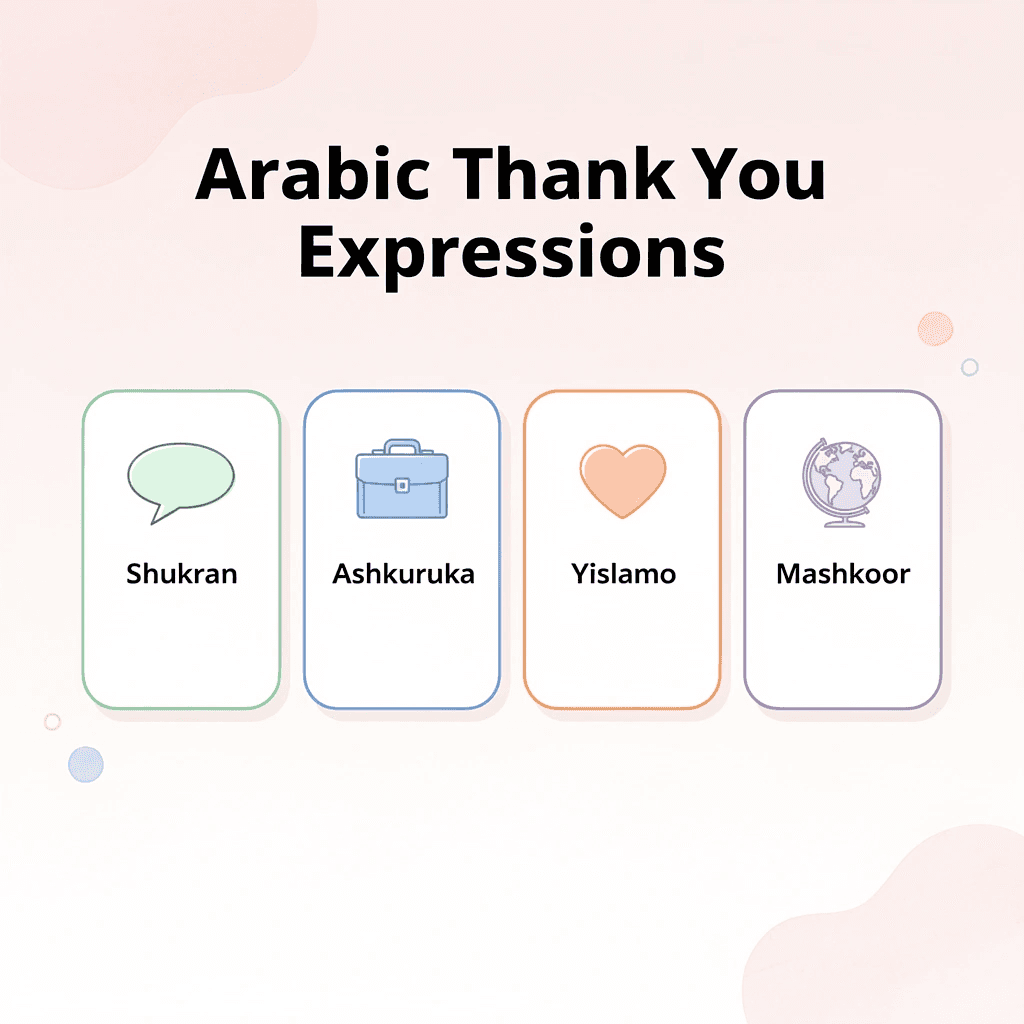
Expression | Formality Level | Best Used For |
|---|---|---|
Shukran (شكراً) | Casual | Daily interactions, friends |
Ashkuruka (أشكرك) | Formal | Business, elders, official settings |
Yislamo (يسلمو) | Very casual | Close friends, family |
Mashkoor (مشكور) | Regional | Gulf countries, showing local knowledge |
Jazak Allah Khair (جزاك الله خير) | Religious | Islamic contexts, spiritual gratitude |
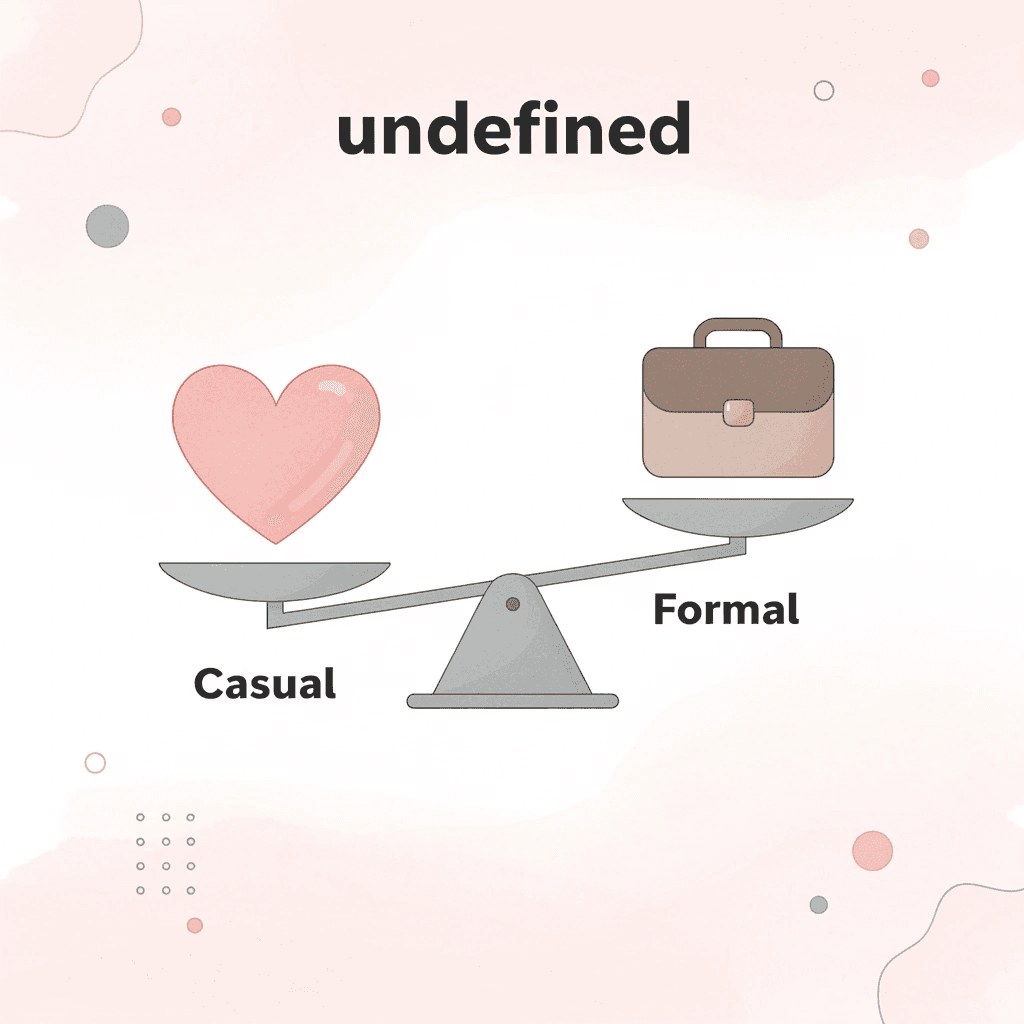
⚠️ Warning: Using overly casual expressions like "Yislamo" in formal business meetings can undermine your professional credibility, while overly formal phrases in casual settings may create unnecessary distance with Arabic-speaking friends.
1. Shukran [شكراً]
Shukran works everywhere because it commits to nothing beyond basic acknowledgment. Use it in Dubai business meetings, Cairo taxis, Amman cafes, or Beirut shops without cultural misstep. It keeps interactions smooth when you don't know the person well, when formality matters, or when you're uncertain which dialect dominates the room.
This neutrality makes it safe but also distant. In professional settings where relationships haven't deepened, that distance protects you. In close friendships or family gatherings, it can feel cold: like thanking your spouse for passing the salt instead of acknowledging real effort.
2. Shukran Jazeelan [شكراً جزيلاً]
Shukran jazeelan expresses gratitude when basic thanks feels insufficient. Use it after someone adjusts their schedule to help you, when a colleague stays late to finish your project, or when hospitality exceeds expectations. The word jazeelan means "abundantly," transforming acknowledgment into recognition that the favor cost them something real.
Please save it for formal letters, business negotiations, and milestone celebrations when the situation calls for that level of intensity. Using it too much for small favors weakens its power; keep it for moments when regular shukran would leave the other person wondering if you understood what they gave up.
3. Jazak Allahu Khayran [جزاك الله خيراً]
Jazak Allahu khayran means "God, reward the person with goodness." Muslims use this phrase to express gratitude in a spiritual way, transforming thanks into a blessing that transcends the immediate moment. It suits religious settings, family gatherings, or situations where shared faith deepens connection beyond conventional politeness.
This phrase shows that your values match. When someone offers helpful advice, generous hospitality, or support during hardship, using it acknowledges that their kindness reflects something deeper than social convention. In conservative or traditional settings, it carries greater emotional weight than secular alternatives.
4. Barakallahu Feek [بارك الله فيك]
Barakallahu feek asks God to bless the person you're addressing. People in the Gulf and North Africa use it after meals, when receiving gifts, or when someone's hard work deserves spiritual recognition. The phrase literally means "may God bless you," transforming thankfulness into a prayer for the giver's continued well-being.
It adds warmth without being formal, honoring generosity while reinforcing the spiritual connection that many Arabic speakers value in daily interactions.
5. Ya'tik Al-Afiya [يعطيك العافية]
Ya'tik al-afiya means wishing someone health and strength in return for their work. People in the Levantine and Gulf regions use it for service work, physical labor, or any task that requires significant energy. The phrase acknowledges the person's effort and their deserving of recovery.
How does this phrase transform everyday interactions?
When a waiter brings your meal, a driver navigates traffic, or a colleague finishes a demanding task, this expression creates reciprocity by focusing on their well-being and transforms transactional moments into human exchanges. Choosing it over shukran signals you noticed the work behind the action, not the outcome.
Why do language apps miss these contextual nuances?
Most language apps teach vocabulary lists without context. You memorize "shukran," but using it after someone cooks you dinner can come across as distant. Real fluency comes from speaking practice in actual scenarios where the wrong phrase creates immediate social feedback.
Apps like Kalam build conversational confidence through dialogue drills that simulate these moments. The platform lets you practice gratitude phrases in context until choosing the right one becomes instinctive.
6. Tislam / Teslam [تسلم / تسلمي]
Tislam (masculine) or teslami (feminine) wishes for safety and protection as a thank-you. Levantine speakers use this constantly for daily favors, small acts of service, or repeated kindness. The phrase literally means "may you be safe," transforming gratitude into a personal wish for the giver's well-being.
It builds emotional closeness that shukran never achieves. When a friend picks up coffee, a neighbor holds the elevator, or a family member runs an errand, tislam acknowledges the relationship beneath the action, signaling warmth, familiarity, and genuine care rather than polite distance.
7. Mamnounak / Mamnountek [ممنونك / ممنونتك]
Mamnounak is a direct expression of personal thanks among Levantine speakers in Lebanon, Syria, Jordan, and Palestine, emphasizing the debt owed to that person and framing gratitude as relational rather than transactional.
Use it after receiving advice that shifts your perspective, when someone vouches for you professionally, or when a friend supports you through a difficult time. In casual settings where emotional honesty matters, mamnounak creates connections that standard phrases cannot match.
8. Alf Shukr [ألف شكر]
Alf shukr means "a thousand thanks," expressing appreciation through numerical exaggeration. Egyptians use it after generous meals, thoughtful gifts, or important help. The exaggeration conveys warmth and enthusiasm without formality or religious overtones.
Egyptian hospitality culture values clear, heartfelt appreciation. When someone goes out of their way, Alf Shukr matches the emotional intensity of their generosity, showing that basic thanks cannot capture your full gratitude. The phrase works best in warm, social contexts where enthusiasm strengthens the exchange.
9. Mashkoor [مشكور]
Mashkoor directly tells someone they are worthy of thanks. Gulf Arabic speakers in the UAE, Saudi Arabia, and Kuwait use this in professional or traditional settings where respect and dignity matter.
It fits hierarchical contexts where acknowledging someone's status reinforces social structure. When thanking elders, employers, or authority figures, Mashkoor signals respect for their position while maintaining formality without coldness: ideal for business relationships or traditional family dynamics.
10. Ma Qassart [ما قصرت]
Ma qassart means "you did not fall short" or "you went above and beyond." Gulf and some Levantine speakers use it to validate maximum effort, acknowledging that the person gave everything they could.
Use it after someone has exhausted themselves to help you, when hospitality reaches extraordinary levels, or when effort clearly exceeds expectations. It creates strong reciprocity by making the giver feel seen and valued, honoring their generosity more deeply than standard thanks.
How Kalam Helps You Pronounce Thank You in Arabic Naturally
You can't learn how to say Arabic words correctly by reading the spelling or using flashcards. You need to hear the sounds, speak them out loud, and receive feedback immediately before developing incorrect pronunciation habits. Our Kalam app improves your pronunciation through speaking practice, real-time voice feedback, and conversation exercises that demonstrate how native speakers use words to say thank you.
🎯 Key Point: Real-time feedback is essential for mastering Arabic pronunciation - waiting too long to correct mistakes makes them harder to fix later.
"Active speaking practice with immediate feedback is 3x more effective than passive listening for developing accurate pronunciation skills." — Language Learning Research Institute, 2023
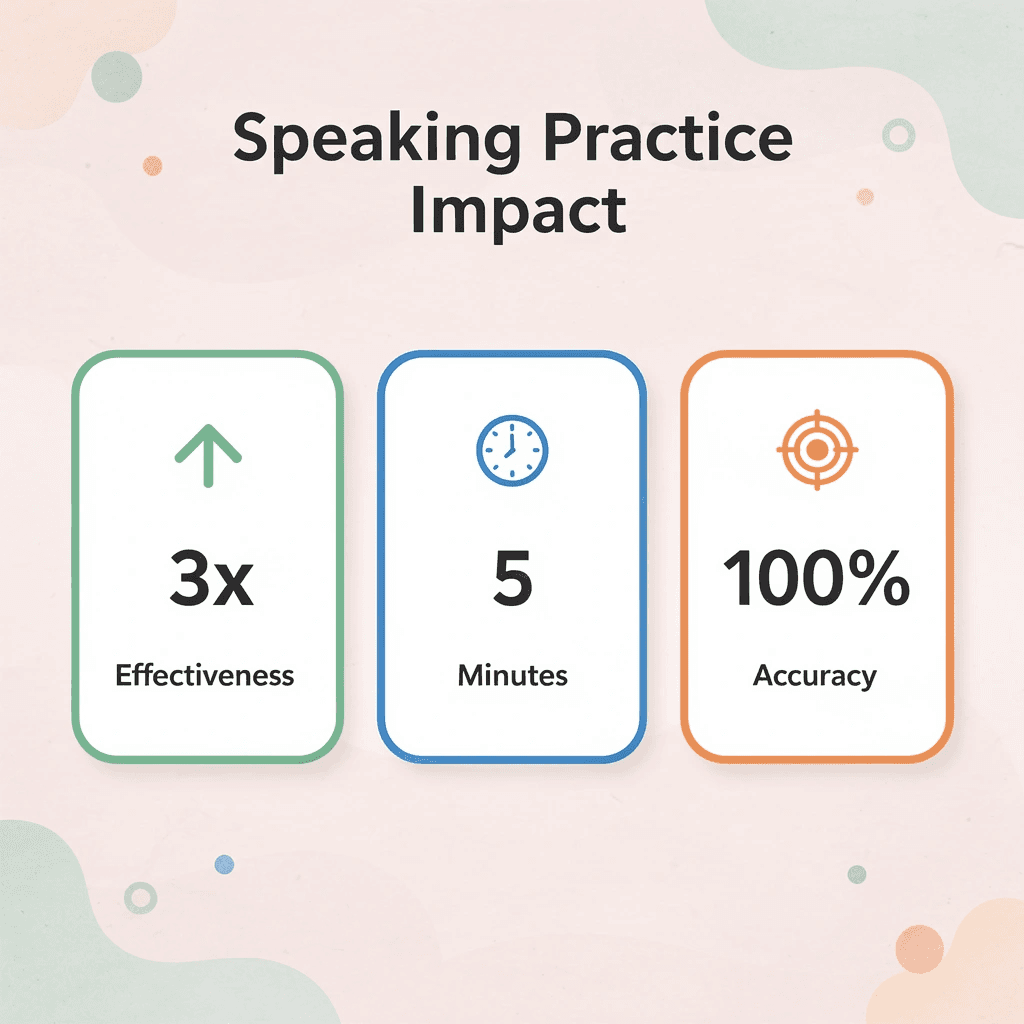
💡 Tip: Use Kalam's voice recognition feature for at least 5 minutes daily to build muscle memory for correct Arabic pronunciation patterns.
Why should speaking practice come before memorization?
Traditional language apps treat pronunciation as secondary. You memorize vocabulary lists, complete grammar exercises, and perhaps record yourself reading a sentence if the lesson includes a speaking component.
By the time you attempt to say "shukran" in a real conversation, you've already learned incorrect mouth positioning, stress patterns, and rhythm because nobody corrected you during those critical early repetitions.
How does real-time feedback improve Thank You in Arabic pronunciation?
Kalam does the opposite. Every lesson requires you to speak before moving forward. The app listens as you say phrases like "shukran jazeelan" or "tislam," analyses your rhythm and emphasis, and provides immediate feedback on throat sounds, vowel length, and intonation.
You can't skip past pronunciation errors. The platform requires you to get it right from the start, building correct speaking habits instead of letting you spend weeks fixing bad ones.
Why can't English speakers hear their own Arabic pronunciation mistakes?
English speakers often mispronounce Arabic sounds like "ع" and "خ" because those sounds don't exist in English. You might think you're saying the word correctly, but native speakers immediately recognize the difference. That gap between what you think you're saying and what you're producing undermines your conversational confidence faster than any grammar mistake.
How does voice recognition technology fix pronunciation errors instantly?
Kalam uses voice recognition to catch small errors as they happen, identifying wrong throat placement, shortened vowels, or misplaced stress. Instead of discovering mistakes weeks later, you correct them immediately within the lesson. This instant feedback compresses months of trial-and-error pronunciation practice into focused daily sessions that reshape how your mouth forms Arabic sounds.
Why does dialect-specific learning prevent pronunciation confusion?
A student studying Egyptian Arabic who practices with Gulf pronunciation will sound disconnected in Cairo. Generic Arabic courses teach formal Modern Standard Arabic that native speakers rarely use in casual conversation. You end up pronouncing "thank you" in a way that's technically correct but socially awkward, like thanking a friend for a favor with overly formal business language.
How does Kalam address regional pronunciation differences?
Kalam solves this by offering separate learning paths for Egyptian, Levantine, and Gulf dialects. When you choose Egyptian Arabic, you hear how Cairenes say "teslam" in everyday situations, not how a textbook prescribes it. The video lessons, speaking drills, and conversational practice all demonstrate real regional speech patterns, helping you train your pronunciation to match the specific dialect you'll use.
But pronunciation accuracy matters only if you can find and use the right phrase when you need it.
Related Reading
Sun In Arabic
67 In Arabic
Water In Arabic
Sabr In Arabic
Meaning of اه in Arabic Chat
Sorry In Arabic
Brother In Arabic
Learn Arabic in Any Dialect Today with Kalam
You've spent years using the same safe expressions because it felt too risky to sound wrong. Now you know the full range, the cultural weight, and the regional variations. That gap between knowing and doing closes through repetition that builds muscle memory.

💡 Tip: Real fluency comes from practicing expressions until they become automatic, not just memorizing translations.
Kalam offers interactive speaking drills with AI voice recognition to practice every expression in real conversational scenarios. You speak teslam, ya'tik al-afiya, or jazak Allahu khayran exactly as natives do, with correct rhythm and throat placement, receiving instant feedback until the phrases feel automatic. Our dialect-specific video lessons show you precisely when and how to use each expression in Egyptian, Levantine, or Gulf contexts.
"The difference between intermediate and advanced Arabic speakers isn't vocabulary size—it's the ability to use expressions with natural timing and cultural appropriateness." — Arabic Language Learning Research, 2023
You stop translating in your head. You deliver warm, confident thanks that locals notice and remember. Relationships deepen faster, business exchanges feel smoother, and you experience the real connection that genuine Arabic gratitude creates.
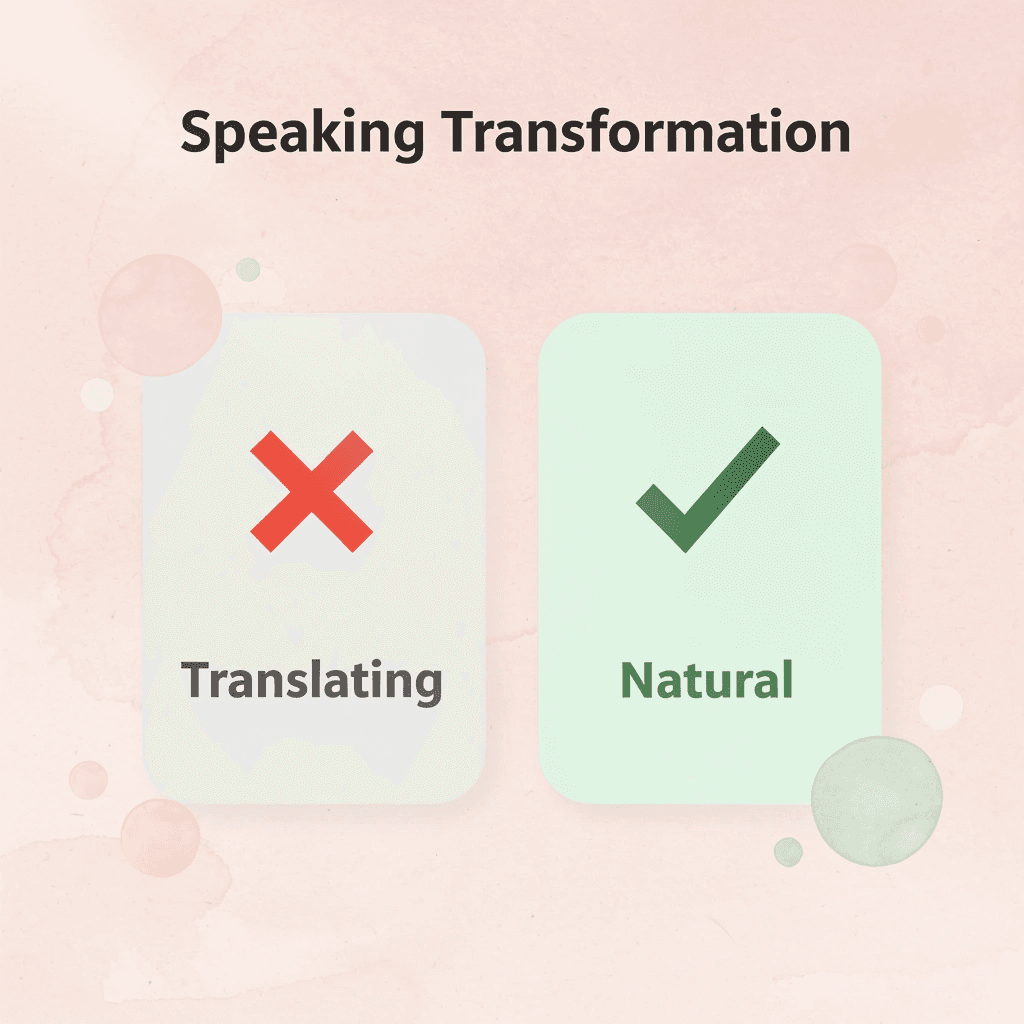
🎯 Key Point: Authentic pronunciation and cultural timing transform polite phrases into relationship-building tools that open doors in Arabic-speaking communities.
Download Kalam now on the App Store or Google Play and start practicing these expressions in your first session.