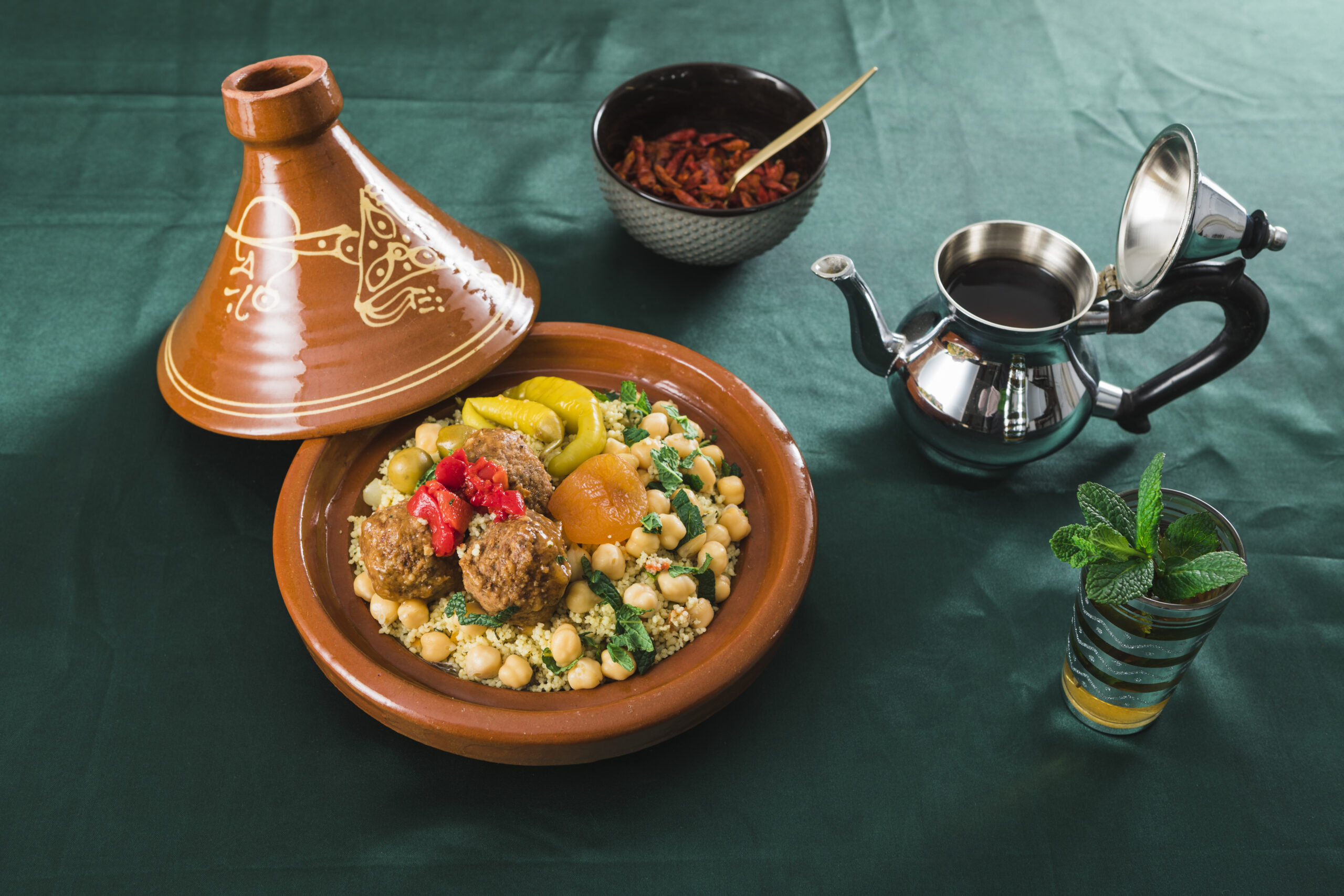
Top 100 Arabic Foods You Need to Know and Try in 2026
Picture yourself at a bustling souk, surrounded by the aroma of saffron rice, grilled kebabs, and freshly baked flatbreads, yet unable to ask the vendor about the spices in their za'atar blend or the secret behind their creamy hummus. Arabic food represents more than sustenance—it's a gateway to understanding regional cultures, where each dish tells a story shaped by the unique Arabic dialects spoken across Morocco, Lebanon, Egypt, and the Gulf states. This guide explores the top 100 Arabic foods, revealing how language and cuisine intertwine to create authentic Middle Eastern flavors.
Understanding the language unlocks doors that recipes alone cannot open. When someone grasps Arabic, they understand why Levantine meze differs from Maghrebi appetizers, how Egyptian street food vendors describe their koshari, and what makes Saudi Arabian kabsa distinct from Yemeni mandi. This knowledge provides the vocabulary to explore markets, read original cookbooks, and speak with home cooks who preserve centuries-old techniques for preparing dishes like shawarma, falafel, tabbouleh, and baklava. Kalam helps people learn Arabic in ways that connect directly to these rich culinary traditions.
Summary
Arabic cuisine represents over 1000 years of culinary scholarship, during which cooking intersected with medicine, philosophy, and aesthetics during the Abbasid Caliphate. Baghdad's scholars compiled extensive cookbooks detailing thousands of recipes that balanced flavors according to principles borrowed from Greek medicine and Persian court culture, transforming everyday eating into an intellectual pursuit where dishes were designed for both nourishment and sensory pleasure.
Islamic dietary laws structure every kitchen decision from sourcing ingredients to timing meals, with halal guidelines determining which animals can be eaten and how they must be slaughtered. Research shows that eight fasting periods per year reshape consumption patterns across Muslim communities, creating rhythms in which meals become acts of worship rather than routine, while Ramadan compresses daily eating into two windows that fundamentally alter how families plan and experience food.
The Middle East and Africa spices and seasonings market is expected to reach USD 2.07 billion by 2034 from USD 1.37 billion in 2025, reflecting how cardamom, cumin, sumac, and za'atar remain foundational elements that define regional identity through scent and heat. These aren't garnishes but central ingredients applied with precision learned through repetition, where toasting cumin seeds before grinding or judging the right sumac ratio separates careful cooks from rushed ones.
Lebanese cuisine ranked second among Arab countries and 26th globally in the TasteAtlas Awards 2025, proving that international audiences recognize the region's culinary sophistication beyond familiar street foods like shawarma and falafel. The ranking validates centuries of technique where grilling over charcoal, slow braising in heavy pots, and baking in clay ovens transform simple ingredients into meals that carry cultural weight.
Regional dishes function as edible declarations of origin, where serving mansaf in Jordan or molokhia in Egypt announces heritage through ingredients and technique passed from elder to child without written instruction. A comprehensive study identified the most popular traditional food dishes across different regions of Saudi Arabia, documenting how these foods carry cultural significance that transcends nutrition by preserving entire systems of knowledge about seasonal timing, proper ratios, and unspoken rules governing when certain dishes appear.
Kalam addresses this by training conversational fluency through speaking drills that prepare learners for rapid exchanges around Arab tables, where understanding why a host insists you take more rice or what offering the best cut of lamb means requires reading context that vocabulary apps can't teach.
Table of Contents
What is the Historical And Cultural Significance of Arabic Cuisine?
What are the Most Common Cooking Methods Used in Arabic Cuisine?
What is the Historical And Cultural Significance of Arabic Cuisine?
Arabic cuisine reflects hundreds of years of change, trade, and cultural exchange across regions from Morocco to Iraq, shaped by geography, conquest, and migration. Food served as a means of hospitality, preserving identity through political upheaval, and connecting communities across distances and different traditions.

🎯 Key Point: Arabic cuisine serves as a living bridge between past and present, preserving cultural identity while adapting to modern influences and global tastes.
"Food is the thread that weaves together the diverse tapestry of Arab culture, connecting 22 countries and over 400 million people through shared flavors and traditions." — Middle Eastern Cultural Institute, 2023

💡 Cultural Impact: The spice trade routes that shaped Arabic cuisine also influenced European cooking, Asian flavors, and African traditions, making it one of the most globally influential culinary systems in human history.
Roots in Ancient Agricultural Innovation
The Fertile Crescent laid the foundation for Arabic food traditions, with early civilizations cultivating wheat, barley, and legumes along river valleys. Ancient Mesopotamians recorded cooking techniques on clay tablets, thereby elevating food preparation to a written record. These societies developed preservation methods suited to dry climates, creating staples like dried dates and fermented dairy that nomadic groups later refined for survival in harsh environments. The emphasis on grains, pulses, and seasonal produce established patterns that persist today.
The Golden Age of Culinary Scholarship
According to Wikipedia, over 1000 years of cooking traditions shaped Arabic cuisine into a complex system where cooking intersected with medicine, philosophy, and aesthetics during the Abbasid Caliphate. Baghdad's scholars created detailed cookbooks with thousands of recipes that balanced flavors using principles from Greek medicine and Persian court culture. Dishes were crafted for both nutrition and sensory pleasure, with careful attention to color, aroma, and presentation. This period transformed cuisine from a means of survival into a vehicle for cultural sophistication and scientific understanding of how ingredients interact.
Trade Routes as Cultural Highways
Arab merchants traveling the Silk Road and ocean trade routes brought spices, cooking methods, and ingredients that transformed regional cuisines across three continents. Saffron from Persia, rice from India, and eggplant from Asia entered Arabic kitchens through these networks, while Arab traders moved sugar farming methods and distillation techniques westward into Europe. This exchange created a cuisine known for layered complexity, where borrowed elements transformed into distinctly Arab expressions. Adaptation strengthened cultural identity rather than weakening it.
Why does discussing Arabic food require conversational fluency?
When ordering from a menu written entirely in Arabic or discussing preparation methods with a home cook in Cairo, vocabulary lists fall short. Kalam builds fluency through speaking drills and real-world dialogue practice, preparing you for conversations in kitchens, markets, and family gatherings where food enables cultural connection.
How does hospitality shape Arabic food traditions?
Offering abundant food to guests reflects values rooted in pre-Islamic tribal customs and Islamic teachings on generosity and community responsibility. Meals are structured as communal experiences, with large platters that encourage conversation and shared enjoyment rather than individual consumption. This practice strengthens social bonds at everyday gatherings and during religious observances like Ramadan, where breaking fast together carries spiritual and emotional meaning beyond mere nutrition. The focus on halal principles and seasonal abundance connects cuisine to ethical frameworks, making every table a space where cultural values are lived and passed down across generations.
What do cooking methods reveal about Arabic food culture?
The methods that bring these dishes to life tell a different story about adaptation and resourcefulness.
What are the Most Common Cooking Methods Used in Arabic Cuisine?
Grilling over charcoal, slow braising in heavy pots, and baking in clay ovens are the three main methods of Arabic cooking. These methods emphasize heat control and time, allowing spices to open up and proteins to become tender while creating layers of complex flavor. You learn these methods by observing how people move their hands, smelling when garlic turns golden, and tasting when a stew needs another hour.

🔑 Takeaway: Traditional Arabic cooking relies on patience and sensory awareness rather than precise timing, making it both an art and a science.
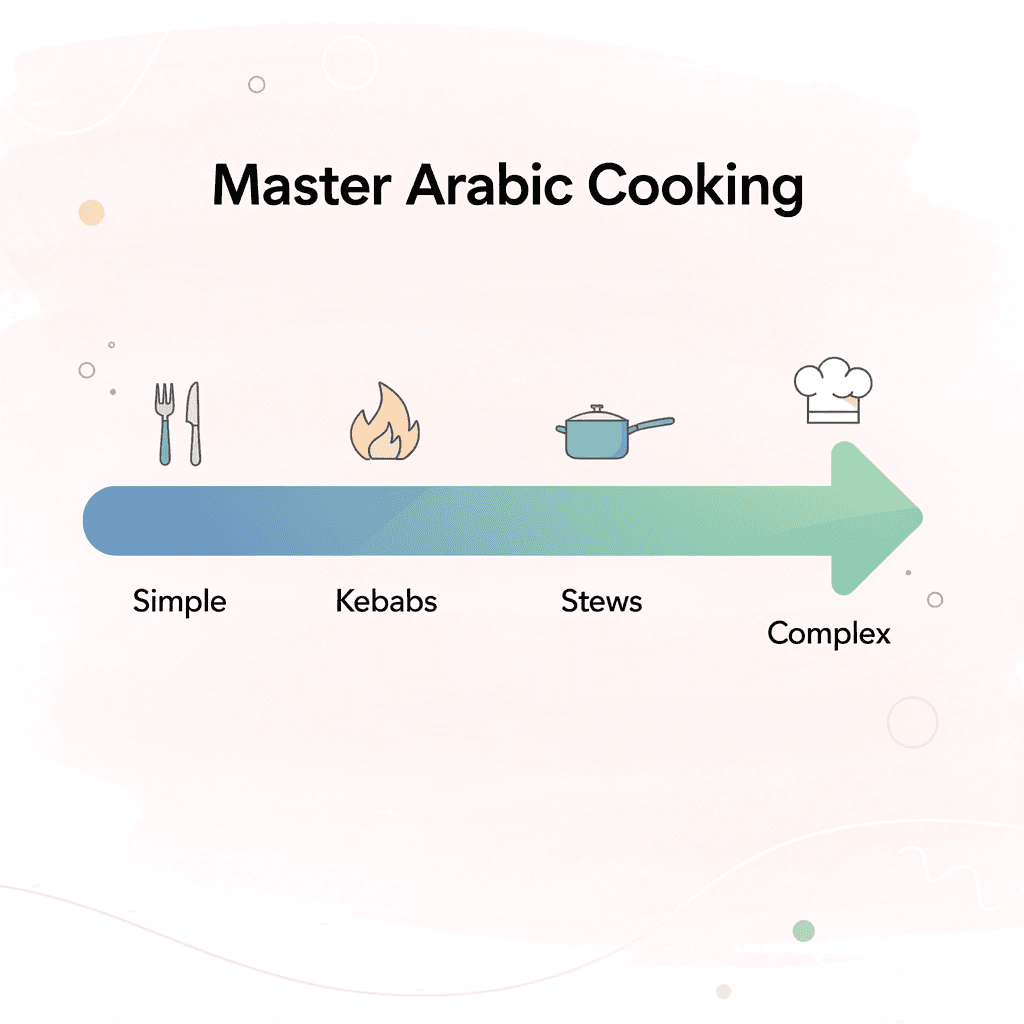
💡 Tip: Master these foundational techniques by starting with simple dishes like grilled kebabs or slow-cooked stews before attempting more complex multi-step recipes.
Grilling Over Open Flame
Charcoal grilling delivers the smoky char that defines street food across Beirut, Cairo, and Riyadh, where vendors thread marinated lamb onto skewers and cook them over glowing coals that reach high enough to sear without drying out. The technique traces back to Bedouin campfires, where direct heat meant fast cooking and minimal fuel waste. Kebabs, kofta, and shish taouk rely on this method because intense heat creates a crust that locks moisture inside while adding flavor no stovetop can match. Ordering food hot off the coals in Amman requires confidence to get what you want. Kalam trains you through speaking drills that mirror real exchanges, preparing you for the quick-fire Arabic at the grill.
Slow Cooking in Covered Pots
Stewing and braising in heavy pots with tight lids transforms tough cuts of lamb into tender pieces. Cooks layer meat with vegetables, spices, and liquid, then let it simmer on low heat overnight, allowing flavors to blend into broths that deepen in richness. Dishes like kabsa, maqluba, and tagines depend on this method: the sealed environment traps steam and aroma while allowing ingredients to break down completely. This approach reflects cultural values of hospitality, in which time-intensive meals demonstrate care and respect for guests.
Frying for Texture Contrast
Hot oil transforms chickpea batter into crisp falafel and bulgur shells into golden kibbeh, delivering the crunch that balances softer elements in mezze spreads and main courses. Shallow frying in olive oil or deep frying at precise temperatures ensures a light exterior without greasiness. Fried eggplant slices, onions, and cauliflower appear cold in salads or warm as sides, preserving vegetables while adding immediate flavor. The contrast between crispy surfaces and tender interiors creates satisfaction that elevates simple ingredients.
Baking in Traditional Ovens
Clay ovens like taboons make flatbreads with blistered surfaces and chewy insides by slapping dough directly onto walls heated to high temperatures. Pita, manakish topped with za'atar, and cheese-filled pastries develop textures difficult to achieve in regular ovens, where radiant heat cooks unevenly and creates character. This hands-on process connects modern cooks to methods perfected over generations, where bread anchors meals as a vehicle for scooping, wrapping, and soaking up flavors. These techniques don't exist in isolation from the beliefs and rules that govern what enters the kitchen.
Related Reading
Does Religion Have an Influence on Arabic Food?
Religion shapes Arabic food decisions from ingredient sourcing to meal timing. Islamic teachings establish halal guidelines that determine which animals can be eaten and how they must be prepared, while according to Religion, Food Choices, and Demand Seasonality: Evidence from the Ethiopian Milk Market, eight fasting periods annually alter what Muslim communities consume. This framework transforms cooking into a ritual where faith and flavor converge at every table.
"Eight fasting periods each year change what Muslim communities eat, demonstrating how religious observance directly impacts dietary patterns." — Religion, Food Choices, and Demand Seasonality Study
🔑 Key Point: Religious guidelines influence not only what Arabic communities eat, but also when and how food is prepared, making faith an integral ingredient in every culinary tradition.
💡 Tip: Understanding halal requirements and fasting periods is essential for appreciating how Islamic principles have shaped Arabic cuisine across different regions and seasons.

Halal Principles Define Ingredient Selection
Islamic law prohibits pork and alcohol, and requires animals to be slaughtered with a blessing and a swift cut that drains all blood. These rules led Arab cooks to build entire traditions around lamb, chicken, goat, and seafood that meet religious standards. Chickpeas, lentils, rice, and vegetables became staples due to their lack of restrictions. The system channels creativity toward spice blends, herb combinations, and cooking methods that highlight natural flavors rather than mask them with forbidden ingredients.
Ramadan Reshapes Daily Eating Patterns
During Ramadan, people fast from sunrise to sunset, compressing meals into two windows: suhoor before sunrise and iftar at dusk. This fundamentally changes how families plan, prepare, and experience food. Dates traditionally break the fast because the Prophet Muhammad did so, followed by soups like harira or lentil-based dishes that restore energy gently after hours without nourishment. Kitchens become centers of anticipation as cooks prepare elaborate spreads meant for sharing, turning iftar into communal celebrations where neighbors gather, and strangers are welcomed.
Mealtime Rituals Reflect Religious Values
Starting meals with "Bismillah" and ending with "Alhamdulillah" frames eating as a gesture of gratitude rather than entitlement. Serving elders first, eating with the right hand, and sharing from communal platters demonstrate humility and respect rooted in Islamic teachings. Hospitality becomes an obligation, where offering plenty of food to guests honors both tradition and religious duty. These acts create a culture in which feeding others carries moral weight beyond mere nutrition.
How can language learning enhance Arabic Food experiences?
Kalam builds fluency through speaking drills and real-world dialogue practice, preparing you for conversations around shared meals where religious customs shape every interaction. Memorizing food terms matters less than confidently participating in the conversational rhythms that surround faith-centered eating. The dishes themselves reveal how centuries of belief shaped an entire cuisine into something sacred and delicious.
Top 100 Arabic Foods You Need to Know and Try in 2026
The Arabian Peninsula delivers bold, layered flavors shaped by desert heat, coastal abundance, and centuries of spice trade. These foods reveal how geography and faith converge in kitchens from Riyadh to Sana'a, transforming simple ingredients into meals that anchor celebrations, break fasts, and welcome strangers. Lebanese cuisine ranked #2 among Arab countries in the TasteAtlas Awards 2025, demonstrating global recognition of the region's culinary sophistication.
1. Shawarma
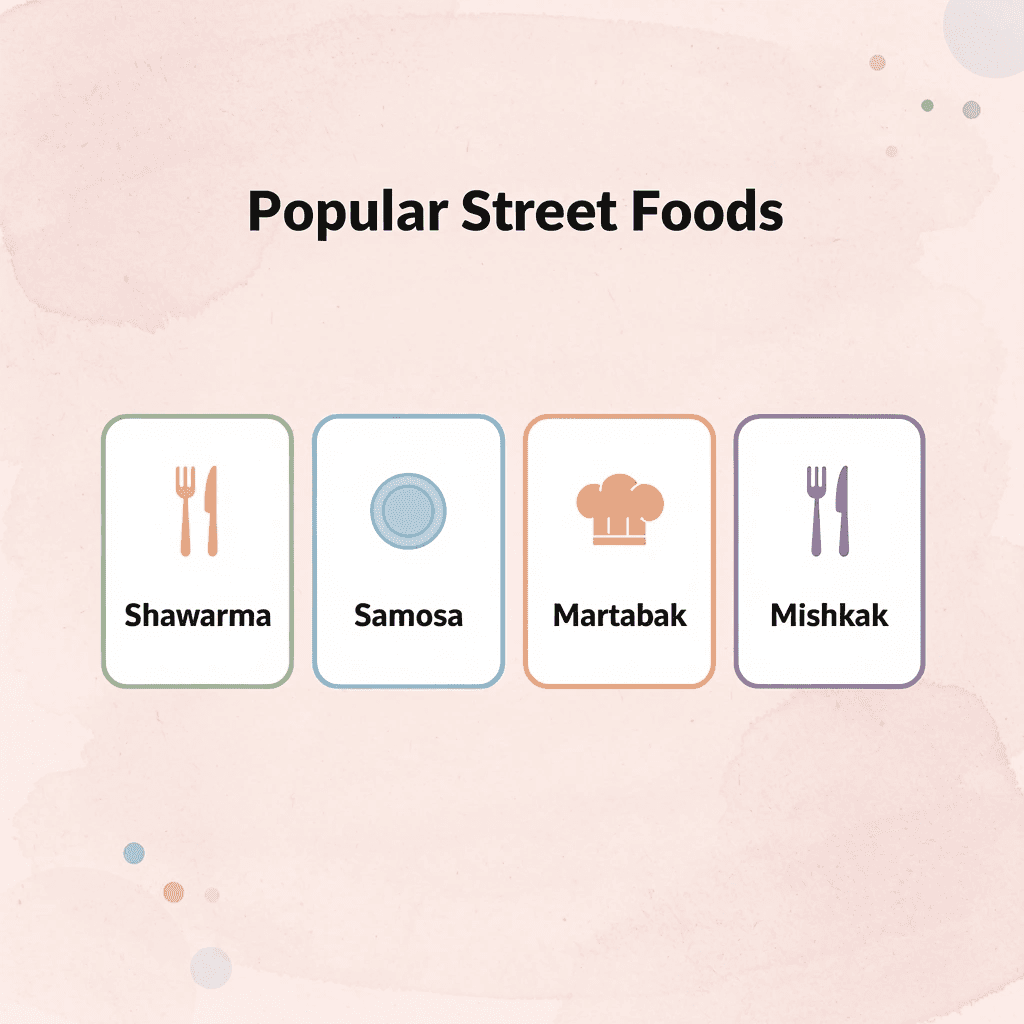
Shawarma ranks among the most iconic street foods of the Arabian Peninsula, featuring tender meats marinated in a fragrant spice blend and slow-roasted on a vertical spit until juicy and caramelized. Its roots date to Ottoman-era cooking methods, with the name deriving from the Arabic term for the Turkish "turning." Popular proteins include chicken, lamb, beef, or turkey blends basted in their own drippings for maximum succulence, then sliced thin and tucked into warm flatbread with garlic sauce, tomatoes, onions, and pickles
2. Kunafa
Kunafa brings together crispy, shredded pastry layers soaked in fragrant syrup, surrounding a creamy cheese filling, making it a standout sweet treat in Saudi Arabian cuisine. Buttered kataifi dough forms the golden, crunchy shell, often scented with orange zest and cardamom, while the center melts into luscious cheese before a final drizzle of lemony sugar syrup enhanced with orange blossom water.
3. Shakshouka
Shakshouka delivers a vibrant one-pan meal of eggs gently poached in a spicy tomato sauce, beloved across Yemen and the broader Middle East for its comforting simplicity. Onions, tomatoes, and a blend of warm spices simmer down into a rich base before eggs are cracked right in to cook to your preferred doneness, sometimes with merguez sausage for extra heartiness.
4. Hummus
Hummus offers a silky, versatile dip crafted from mashed chickpeas blended with tahini, olive oil, lemon, and garlic, and has long been a cornerstone of Saudi and Middle Eastern diets. Its ancient roots reach back to the Levant and 13th-century Egypt, where legumes provided everyday nourishment that evolved into this nutty, tangy classic. Freshness matters most, with slight regional tweaks in seasoning keeping the earthy balance intact, whether scooped with pita or paired with veggies and meats.
5. Qatayef
Qatayef is a festive, deep-fried dessert essential to Ramadan celebrations in Saudi Arabia, featuring delicate pancakes stuffed with sweet fillings such as nuts or cheese. Each pocket holds walnuts, almonds, pistachios, or creamy centers before frying or baking to golden perfection, then finishing with clotted cream or fragrant sugar syrup. Fatimid origins have spread their popularity throughout the Levant and Egypt, where street stalls buzz with activity during evenings of feasting and gifting after the fast. Even record-breaking giant versions highlight its cultural joy, offering a warm, syrupy bite that perfectly caps social gatherings and family traditions.
6. Ful Medames
Ful medames is an ancient Egyptian stew of slow-simmered fava beans, now widely embraced in Saudi Arabia and across North Africa and the Middle East as a hearty breakfast staple. Seasoned simply with lemon, olive oil, garlic, and spices, the creamy beans deliver earthy comfort, especially during Ramadan, when they are eaten to break the fast. Archaeological finds in Pharaonic tombs confirm its long popularity, with governments even regulating bean prices in Egypt to keep it accessible to all. This pre-Ottoman dish nourishes as a protein-packed start to the day, often mashed and scooped with bread for a satisfying, affordable meal rooted in regional history.
7. Samosa
Samosas provide crunchy, triangular pastries filled with spiced potatoes, peas, lentils, or ground meat, offering a savory street-food delight popular in Saudi Arabia thanks to historic trade routes. Deep-fried to golden perfection, they arrived via Central Asian paths that influenced Indian and Middle Eastern versions alike, becoming meat- or cheese-stuffed triangles, squares, or rolls, served hot with yogurt, chutney, or onions. Their versatile fillings and crispy exterior make them ideal Ramadan snacks or party bites, introducing bold spices in a portable package that appeals to newcomers and locals seeking quick, flavorful bites.
8. Labneh
Labneh transforms plain yogurt into a thick, creamy spread by straining out the whey and adding a touch of salt, resulting in a mild, tangy cheese-like product central to Saudi and Levantine tables. Full-fat versions yield the smoothest texture, enjoyed plain, drizzled with olive oil and za'atar, or as a base for mezze alongside bread and veggies. This versatile staple appears across the Middle East and beyond, with cow or goat milk options adding subtle differences while keeping the salty, refreshing profile intact. Its simple preparation belies its role as a daily essential, highlighting fresh dairy traditions in Arabian meals.
9. Mansaf
Mansaf earns its place as a celebratory meat dish in Saudi Arabia's Tabuk region, featuring slow-cooked lamb or goat in tangy fermented yogurt sauce served over rice and flatbread. Traditionally Jordanian but locally embraced, it symbolizes hospitality and respect, with the goat denoting the highest honor at feasts and gatherings. Garnished with toasted nuts and eaten communally by hand, the dish blends tender meat, aromatic broth, and fluffy grains into a communal feast that fosters connection—making it a centerpiece for special occasions that embodies Arabian generosity.
10. Malawach
Malawach creates flaky, laminated flatbread with roots in Yemenite Jewish communities, now a household and street staple enjoyed across the region, including Yemen. Layers form through repeated rolling and oiling of simple dough before pan-cooking to crisp, golden perfection, resembling a buttery pancake ideal for tearing and dipping. Its technique preserves traditional home-kitchen methods that spread with migration, pairing beautifully with eggs, stews, or honey for sweet-savory versatility that adds comforting texture to any meal.
11. Warak Enab
Warak enab wraps tender grape leaves around a savory filling of rice, fresh herbs, spices, and, often, ground meat, for a classic stuffed dish popular in Saudi Arabia and the broader Middle East. Simmered slowly in lemony broth until the leaves soften and flavors meld, these rolls deliver delicate yet hearty bites perfect for mezze platters or family dinners. The labor of hand-rolling reflects generational skills passed down for gatherings, offering a tangy, aromatic taste of Levantine heritage that pairs wonderfully with yogurt sauce.
12. Zarb
Zarb showcases an ancient Bedouin cooking technique in Saudi Arabia, where meats and vegetables slow-roast in an underground pit oven for incredibly moist, smoky results. Chicken, goat, or lamb joins carrots, potatoes, onions, and tomatoes on racks over hot coals, then is buried under sand to trap heat and infuse it with earthy aromas for hours. This communal desert method yields fall-apart-tender proteins and flavorful sides, served family-style with rice, celebrating nomadic hospitality and authentic Arabian flavors that stand out at outdoor feasts.
13. Laddu
Laddu forms sweet, spherical treats in Saudi Arabia by mixing flours, sugar, ghee, and sometimes nuts or fruits into bite-sized balls, drawing Indian influences that enrich local celebrations. Varieties like gram-flour besan or boondi versions deliver nutty sweetness, often featured at weddings, festivals, and religious events as portable delights. Their comforting texture and rich taste reflect cultural exchanges along trade routes, making them a joyful dessert to enjoy with tea or coffee during special gatherings.
14. Lokma
Lokma consists of small, deep-fried dough balls soaked in sweet syrup, creating a popular dessert in Qatar known for its crispy exterior and airy, honeyed center. Yeast-leavened batter fries to a golden brown before being bathed in fragrant syrup, sometimes dusted with cinnamon or nuts for extra indulgence. This bite-sized street treat traces to broader Middle Eastern sweets traditions, serving as an ideal coffee companion or festive offering that balances crunch and moisture in every mouthful.
15. Sayadiyah
Sayadiyah pairs crispy fried fish with warmly spiced rice in a signature Yemeni dish evoking a fisherman's fresh catch, blending caramelized onions, aromatic seasonings, and tender seafood for coastal comfort. Common in Yemen and the Levant, it layers fluffy grains with golden fish fillets and toasted nuts, delivering savory depth from cumin, turmeric, and onions, highlighting Gulf seafood traditions. This hearty one-pot meal offers a flavorful taste of Arabian maritime heritage, ideal for family tables.
16. Tamr Mahshi (Stuffed Dates)
Tamr mahshi elevates plump dates by stuffing them with nuts, cheese, or sweet fillings, turning them into a simple yet luxurious Saudi Arabian snack or dessert. The natural sweetness of the fruit pairs beautifully with crunchy pistachios or creamy centers, often served as an elegant bite during gatherings or Ramadan. This easy, no-cook treat showcases the region's prized date harvests, offering a healthy, portable indulgence that captures the essence of Arabia.
17. Ma'amoul
Ma'amoul features delicate shortbread cookies filled with dates, nuts, or fragrant pastes, molded into ornate shapes and dusted with powdered sugar, making it a festive Saudi favorite. Buttery dough encases sweet centers scented with rosewater or orange blossom, creating a melt-in-mouth texture perfect for holidays and special occasions. These handheld sweets reflect meticulous pastry traditions across the Arab world, offering a subtle sweetness that pairs ideally with Arabic coffee.
18. Mandi
Mandi slow-cooks meat and fragrant rice together in a sealed underground oven or tandoor-style pot, emerging as Yemen's prized Hadhramaut dish with smoky, tender results. Spiced lamb or chicken infuses the grains with aromatic steam, often garnished with nuts for textural contrast and served family-style. This method preserves juicy flavors rooted in ancient techniques, making it a cornerstone of Arabian hospitality and a must-try for its depth and communal appeal.
19. Dajaj Mashwi
Dajaj mashwi highlights grilled chicken marinated in spices and yogurt for juicy, charred perfection, popular in Saudi Arabia. Simple yet flavorful seasoning creates crispy skin and succulent meat, often enjoyed as a main course with rice or flatbread during everyday meals or barbecues. This straightforward dish showcases the region's love of bold grilling, delivering smoky satisfaction that's easy to replicate at home while capturing the region's authentic flavors.
20. Martabak
Martabak offers a stuffed, fried pancake with savory or sweet fillings, thriving as street food in Yemen and Saudi Arabia for its crispy, layered appeal. Thin dough encases spiced meat, eggs, cheese, or chocolate-nut mixtures before pan-frying to a golden brown, creating a hearty snack or dessert with endless regional twists. Its portable versatility and bold flavors make it a crowd-pleaser at markets, reflecting inventive home-style cooking traditions across the peninsula.
21. Hareesh
Hareesh, also widely known as harees or jareesh, is a nourishing porridge-style dish popular in Saudi Arabia, made by slowly simmering cracked wheat with meat—typically mutton or chicken—until it reaches a creamy, hearty consistency. Butter or ghee adds richness during the long cooking process, often enhanced with simple spices like cardamom for a subtle aroma. This ancient comfort food shines especially during Ramadan as a filling meal to break the fast or for family gatherings, offering sustained energy through its wholesome blend of grains and protein that has sustained communities across the Gulf for centuries.
22. Jachnun
Jachnun is a rolled, laminated pastry with deep roots in Yemenite Jewish tradition from the Aden region, featuring thin dough layers brushed generously with clarified butter or samneh, then slow-cooked overnight for a caramelized, golden exterior and a soft, chewy interior. Traditionally prepared for Shabbat mornings, it pairs beautifully with hard-boiled brown eggs, grated fresh tomato, and fiery zhug (a spicy herb sauce). The overnight low-heat method creates flaky yet tender coils that highlight patient, home-style techniques preserved through migration and now enjoyed more broadly as a special breakfast or brunch treat across the peninsula.
23. Basbousa
Basbousa delights as a moist, syrup-drenched semolina cake enjoyed throughout Saudi Arabia and the wider Arab world, baked until golden, then soaked in fragrant sugar syrup often scented with rosewater or orange blossom. Cut into diamond or square shapes and frequently topped with nuts like almonds or pistachios, this simple yet indulgent dessert balances tender texture with intense sweetness. Its popularity stems from Ottoman influences that spread across the Middle East and North Africa, making it a staple at celebrations, after-meal finishes, or with afternoon coffee for its comforting, sticky appeal.
24. Ruz al Bukhari
Ruz al Bukhari, or Bukhari rice, is a vibrant, aromatic rice dish from Saudi Arabia’s Hejaz region, featuring long-grain basmati rice cooked with shredded carrots, raisins, nuts, and warm spices such as saffron, cumin, cardamom, and cinnamon. Often served alongside roasted chicken or meat, the colorful grains gain sweetness from dried fruit and a golden hue from saffron, creating a festive one-pot meal that reflects influences from historic trade routes. Its fragrant profile and balanced textures make it a favorite for gatherings, offering a fragrant alternative to plainer rice preparations in Gulf cuisine.
25. Saleeg
Saleeg is a comforting Saudi rice dish from the Makkah area, where short-grain rice simmers in chicken broth until it reaches a creamy, porridge-like texture, then is finished with a splash of milk or cream for extra smoothness. Roasted or grilled chicken typically crowns the platter, with the mild seasoning allowing the rich, savory broth to shine through. This Hejazi specialty provides gentle warmth and nourishment, commonly enjoyed as a family meal or during cooler months, embodying the region’s love for hearty, milk-enriched grain dishes that feel both everyday and special.
26. Hininy
Hininy brings a cozy winter dessert from Saudi Arabia’s Najd region, crafted by mashing dates with toasted brown bread or wheat flour, then enriching the mixture with ghee, cardamom, and saffron for a soft, paste-like sweetness. The warm spices and natural fruit richness create a comforting treat traditionally prepared during colder months and shared communally with Arabic coffee. This simple, no-bake delight highlights the peninsula’s prized date harvests while offering a nourishing, aromatic bite that connects generations through its humble yet flavorful profile.
27. Fatoot
Fatoot is a traditional spiced flatbread from Al-Madinah in Saudi Arabia, known for its crumbly yet tender texture, achieved through a dough incorporating milk, ghee, and a fragrant blend of seeds such as fennel, anise, nigella, and cumin. Often thicker than similar breads and sometimes leavened with special local yeast, it serves as an excellent side for stews, breakfast spreads, or Ramadan meals. Its complex seasoning and hearty character reflect Medina’s culinary heritage, making it a satisfying bread that elevates everyday eating with aromatic depth.
28. Mufattah
Mufattah is a flavorful Saudi rice preparation in which grains are cooked with meat, vegetables, and spices until the components meld into a unified, aromatic dish. The method emphasizes balanced seasoning and tender textures, often featuring chicken or lamb for a complete meal suitable for family tables or special occasions. This versatile rice dish showcases the region’s expertise in layering flavors through slow cooking, delivering a satisfying depth that pairs well with fresh salads or yogurt sides.
29. Al-Maghsh
Al-Maghsh is a distinctive meat dish from Saudi Arabia’s Jazan region, typically featuring stuffed or prepared proteins, cooked with local spices and ingredients that highlight the southern province’s unique flavors. The preparation brings together hearty meats with complementary flavors, resulting in tender, well-seasoned bites ideal for communal dining. Rooted in regional traditions, it offers a taste of Jazan’s culinary identity through its robust and satisfying character.
30. Samak Mifa (Mifa Fish)
Samak mifa features freshwater fish prepared in the style traditional to Saudi Arabia’s ‘Asir region, where the catch is seasoned and cooked to highlight its delicate flavor with simple local spices and techniques. This dish celebrates the availability of freshwater resources in mountainous areas, delivering moist, aromatic fish that serves as a nutritious centerpiece. Its straightforward approach underscores the importance of fresh, regional seafood in inland Arabian cooking.
31. Mahmoos al-Samak
Mahmoos al-samak is a savory saltwater fish preparation enjoyed across Saudi Arabia, involving seasoned fish cooked with spices, onions, and other aromatics to create a flavorful main course. The method ensures tender results with bold yet balanced seasoning drawn from Gulf traditions. It provides a satisfying seafood option that pairs excellently with rice or flatbreads, reflecting the peninsula’s extensive coastline and love for ocean-sourced meals.
32. Taḥt al-Qadir
Taḥt al-qadir showcases a traditional cooking technique for saltwater fish in Saudi Arabia, where ingredients are cooked together under a lid or in a sealed container to trap steam and concentrate flavors. This gentle method yields moist, infused fish with layered spices and accompaniments. It exemplifies resourceful Arabian cooking that maximizes taste and tenderness, making it a valued dish for family meals featuring the sea’s bounty.
33. Mofatah al-Dajaj
Mofatah al-dajaj presents chicken integrated into a rice-based dish in Saudi style, with the poultry and grains cooked together or layered with spices for harmonious flavors. The chicken becomes tender while infusing the rice with savory depth, creating a complete, aromatic meal. Popular for its convenience and taste, it highlights everyday hospitality through well-seasoned, hearty portions shared at the table.
34. Araz Madini (Madini Rice)
Araz madini, or Madini rice, is a specialty rice dish from Al-Madinah in Saudi Arabia, featuring carefully prepared grains often combined with meats, spices, and local touches that reflect the holy city’s culinary customs. The preparation emphasizes fragrance and texture, yielding fluffy or richly flavored rice suitable for special occasions or daily enjoyment. It stands as a proud example of regional rice mastery in the Hejaz area.
35. Ageeli
Ageeli is a traditional cake from Qatar, offering a sweet baked treat that incorporates local flavors and simple ingredients, with a soft or dense crumb. Often enjoyed during celebrations or with tea, this dessert reflects Qatari pastry traditions with its balanced sweetness and comforting profile. Its presence in the top 100 underscores the diversity of Gulf sweets beyond more widely known items.
36. Stuffed Camel
Stuffed camel represents an impressive, large-scale meat dish associated with the United Arab Emirates and special feasts, where a whole camel is seasoned, stuffed with smaller animals or rice mixtures, and slow-roasted for extraordinary tenderness and flavor. This monumental preparation symbolizes ultimate hospitality at major events, delivering rich, gamey meat with aromatic stuffing. Though reserved for grand occasions, it embodies the grandeur of Bedouin and Gulf feasting traditions.
37. Malooga
Malooga is a Yemeni flatbread known for its layered or textured preparation, cooked to provide a chewy or crisp base ideal for scooping stews and dips. It's simple dough develops satisfying character through traditional methods, making it a staple accompaniment in Yemeni meals. The bread’s versatility enhances communal dining across the peninsula’s southern influences.
38. Lokhemat
Lokhemat delivers deep-fried dough balls from Oman, soaked or drizzled in sweet syrup for a crispy-outside, soft-inside dessert treat. Similar to other regional lokma-style sweets, these bite-sized morsels offer an indulgent crunch and moisture, often subtly flavored with spices. They make a popular street or festive option, adding to the array of fried pastries cherished in Gulf cuisine.
39. Masabeeb
Masabeeb consists of soft pancakes popular in Saudi Arabia, made from a fermented or leavened batter and served with sweet or savory toppings such as honey, syrup, or spiced fillings. Their fluffy texture and mild flavor suit breakfast or dessert, providing a light yet satisfying option that reflects everyday Arabian flatbread and pancake traditions.
40. Madrouba
Madrouba is an Omani porridge-like dish featuring cracked wheat or grains cooked slowly with meat or chicken until thick and comforting, often seasoned mildly for a nourishing meal. This hearty preparation shares similarities with Harees but carries distinct Omani touches, serving as a warming staple during gatherings or cooler weather. Its creamy consistency and protein boost highlight the region’s appreciation for slow-simmered comfort foods.
41. Haneeth
Haneeth is a signature rice dish from Saudi Arabia’s ‘Asir region, where spice-rubbed lamb or goat slow-roasts in a traditional tannour or underground pit oven until the meat turns incredibly tender and infused with smoky depth. The protein rests atop fluffy long-grain rice that soaks up aromatic juices, often enhanced with a local herb called markh for a distinctive fragrance. This communal preparation symbolizes respect and warmth in southern Saudi culture, making it a standout choice for honoring guests during gatherings or outdoor campsites in 2026.

42. Najel Maqli
Najel maqli features crisp fried najel, a prized saltwater fish prepared in classic Saudi style with light seasoning that lets the fresh ocean flavor shine through golden, flaky exteriors. Cooks typically dust the fillets in spices before pan- or deep-frying to achieve a perfect crunch while keeping the interior moist and delicate. This straightforward yet satisfying seafood staple reflects the peninsula’s abundant coastline, serving as an accessible weeknight main or part of larger spreads alongside rice and fresh salads.
43. Balilah
Balilah offers a simple, protein-packed chickpea salad beloved in Saudi Arabia’s Hejaz region, where boiled chickpeas get tossed warm with salt, cumin, and bright lemon juice for a hearty yet refreshing bite. The dish stays intentionally minimal to highlight the beans’ creamy texture and subtle earthiness, often enjoyed as a quick snack, mezze starter, or light lunch in coastal cities like Jeddah. Its wholesome profile makes it a timeless everyday favorite that pairs effortlessly with flatbreads or yogurt.
44. Tamees
Tamees is a soft, slightly puffed flatbread common across Saudi Arabia, baked from a basic dough that develops a tender chew and gentle chewiness ideal for scooping stews or wrapping grilled meats. Bakers often brush it lightly before baking to create an inviting golden surface that holds up well to hearty toppings. This versatile bread brings comforting familiarity to meals, appearing regularly on family tables or street stalls as an essential companion to daily Saudi cuisine.
45. Shuraik
Shuraik stands out as a traditional Saudi flatbread with a distinctive shape and texture, formed from dough that bakes into a crisp yet pliable base perfect for tearing and dipping. Its mild flavor allows it to complement bold spiced dishes without overpowering them, making it a go-to side in regional homes and markets. The bread embodies the peninsula’s resourceful baking heritage, turning simple ingredients into a reliable staple for everything from casual breakfasts to elaborate dinners.
46. Mifa
Mifa is a hearty flatbread specialty from Saudi Arabia’s ‘Asir region, characterized by its thicker profile and rustic preparation that yields a satisfying chew and subtle sweetness from local grains. Cooks shape and bake it to create a sturdy vehicle for stews or grilled items, often serving it warm to maximize its comforting aroma. This mountain-area favorite highlights southern Saudi ingenuity with bread-making, adding substantial texture and warmth to communal meals.
47. Samak Mesharmal
Samak mesharmal brings together saltwater fish prepared with aromatic spices and a signature mesharmal technique in Saudi tradition, resulting in tender, flavor-infused fillets that balance mild sweetness from the catch with savory depth. The method ensures even cooking while locking in juices, often presented simply to let the seafood take center stage. It represents the Gulf’s deep respect for fresh ocean ingredients, appearing as a nutritious main course or elegant addition to rice platters.
48. Khubz Ahmar
Khubz ahmar, or red bread, is a visually striking flatbread from Saudi Arabia’s Al-Ahsa region, gaining its warm hue and subtle sweetness from natural ingredients during baking. The loaf develops a soft interior with a lightly crisp crust, making it excellent for pairing with soups, dips, or roasted meats. This regional specialty showcases eastern Saudi creativity in everyday baking, delivering both eye appeal and comforting flavor that locals cherish at family tables.
49. Kubaneh
Kubaneh is a rich, buttery Yemeni bread traditionally slow-baked overnight to achieve flaky layers and a golden, caramelized crust that pulls apart beautifully. Yemenite Jewish communities originally perfected the technique, but it has become a beloved breakfast or brunch item across the peninsula when served with eggs, tomatoes, and spicy sauces. Its indulgent texture turns simple meals into something special, reflecting patient, heritage-driven baking methods.
50. Gers Ogaily
Gers ogaily is a traditional Kuwaiti cake known for its dense yet moist crumb and delicate sweetness, often featuring subtle flavorings that make it ideal for celebrations or afternoon tea. Bakers prepare it with local staples for a comforting texture that holds up well when sliced and shared. This understated dessert highlights Gulf pastry traditions, offering a satisfying finish to meals without overwhelming richness.
51. Muhammar
Muhammar is a fragrant Bahraini rice dish in which grains are cooked with sugar, saffron, and warm spices to create a subtly sweet, golden-hued base that pairs wonderfully with grilled fish or meat. The caramelized notes add depth while keeping the rice fluffy and aromatic, making it a festive centerpiece for family gatherings. This sweet-savory specialty showcases Bahraini innovation in rice cookery, elevating everyday grains into something memorable.
52. Mishkak
Mishkak consists of tender meat pieces—often lamb or beef—marinated and grilled on skewers in Omani style for juicy, charred results bursting with bold spices. Street vendors and home cooks alike serve them hot with flatbreads or salads, creating a quick yet flavorful bite that captures Gulf grilling traditions. The dish’s smoky appeal makes it a crowd-pleaser at barbecues and casual feasts.
53. Quzi
Quzi is a lavish lamb dish popular in Qatar, featuring whole or large cuts of meat slow-roasted until fall-apart tender and served atop fragrant rice studded with nuts and raisins. The preparation emphasizes generous hospitality, with spices that deeply infuse the protein for a rich, celebratory flavor. Qataris and visitors alike turn to this showstopper for major events, embodying the region’s love for grand, shared platters.
54. Mathlotha
Mathlotha is a layered Saudi rice dish that combines grains with meats and vegetables in a harmonious blend of textures and mild seasonings. Slow cooking allows flavors to meld beautifully, resulting in a complete meal that feels both comforting and refined. This versatile option frequently appears at family tables, highlighting the peninsula’s expertise in one-pot rice creations.
55. Saltah
Saltah is a vibrant Yemeni stew built on a savory broth of meat or vegetables, finished with a distinctive frothy hilbeh topping made from fenugreek for a unique aroma and slight bitterness. Cooks often incorporate leftovers into a fresh pot to maximize efficiency and depth, serving it piping hot in stone vessels that retain heat. This everyday comfort food captures Yemen’s bold, resourceful cooking and pairs perfectly with flatbreads.
56. Al-Margaouq
Al-Margaouq is a traditional Saudi stew from the Riyadh region, simmering vegetables and meats in a lightly spiced broth that delivers gentle warmth and nourishing balance. The dish relies on fresh produce and patient cooking to create satisfying depth without heaviness. It serves as a staple family meal, reflecting central Arabian preferences for hearty yet approachable one-pot preparations.
57. Khubz Al-Jamri
Khubz al-jamri is a Saudi flatbread baked over open flames or in traditional pits, developing a smoky character and chewy texture that enhances any accompanying dish. Its rustic preparation method infuses subtle char notes while keeping the bread light enough for daily use. This bread variety underscores the peninsula’s fire-cooking heritage, making it a flavorful side for stews and grills alike.
58. Maraq
Maraq is a flavorful Yemeni meat soup featuring tender chunks simmered in a spiced broth that builds gentle heat and aromatic layers. Families enjoy it as a warming starter or light main, often with rice or bread to soak up the savory liquid. The soup exemplifies Yemen’s talent for simple yet deeply satisfying broth-based dishes rooted in everyday hospitality.
59. Machboos Laham
Machboos laham brings Kuwaiti flair to a spiced rice-and-meat dish, where lamb or beef cooks alongside grains infused with fragrant aromatics like loomi (dried lime) and cinnamon, for balanced tang and warmth. The result is a complete, aromatic plate ideal for gatherings. This cousin to other Gulf rice preparations highlights Kuwait’s vibrant culinary identity through its layered flavors.
60. Kleija
Kleija is a sweet pastry from Saudi Arabia’s Al-Qassim region, featuring delicate dough pockets filled with dates or nuts and baked to golden perfection with subtle spice undertones. The handheld treats offer a perfect balance of a crumbly exterior and a rich interior, making them popular as coffee or as festive gifts. This regional specialty showcases the area’s date-rich heritage in elegant, bite-sized form.
61. Tharid
Tharid is a humble yet deeply flavorful bread soup with origins in Mecca, Saudi Arabia, often hailed as one of the oldest dishes in Arab cuisine and reportedly a favorite of the Prophet Muhammad. It features crumbled flatbread soaked in a rich broth made from slow-cooked meat—usually lamb or chicken—along with vegetables such as potatoes, carrots, zucchini, and tomatoes, seasoned with warm spices like cinnamon, cardamom, and turmeric. The bread absorbs the savory liquid, creating a comforting, hearty texture that turns simple ingredients into a satisfying main dish. Its popularity spans the Middle East and beyond, making it a staple during Ramadan and family gatherings for its nourishing warmth and historical significance.
62. Aaseedah
Aaseedah is a traditional Saudi breakfast porridge, prepared by cooking wheat flour or barley with water or milk into a thick, smooth paste that provides gentle sustenance to start the day. Cooks often flavor it lightly with ghee or butter and pair it with dates, honey, or savory sides for balance. This straightforward dish highlights the region’s reliance on grain-based comfort foods, providing energy for daily activities while embodying the simplicity and wholesomeness found in many Arabian morning meals.
63. Al-Ruqsh
Al-Ruqsh is a distinctive meat preparation from Saudi Arabia’s Najran region, featuring seasoned cuts of meat cooked with local spices and techniques that emphasize tenderness and bold regional flavors. The dish brings together hearty proteins with complementary aromatics, resulting in a satisfying main course suited for communal dining in southern Saudi traditions. Its unique profile offers a taste of Najran’s culinary identity through robust seasoning and careful preparation.
64. Mahmous
Mahmous is a savory rice dish associated with Qatif in Saudi Arabia’s Eastern Province, where the grains are cooked with meats, spices, and sometimes vegetables to create layered, aromatic flavors. The preparation yields tender rice infused with regional tastes, often served as a complete meal that reflects the area’s coastal and cultural influences. It stands as a flavorful example of everyday Gulf rice cookery enjoyed at family tables.
65. Mullah
Mullah is a traditional Saudi flatbread known for its soft yet sturdy texture, baked or cooked in ways that make it ideal for scooping stews, dips, or wrapping grilled items. Its mild flavor allows it to complement a wide range of dishes without competing with them, making it an everyday staple in homes and markets. This versatile bread underscores the peninsula’s rich tradition of simple, reliable accompaniments to hearty meals.
66. Markook
Markook, also called marquq, is an ultra-thin, pliable flatbread popular in Saudi Arabia and neighboring areas, stretched by hand and cooked quickly on a hot surface to achieve a delicate, almost paper-like quality. The bread’s flexibility makes it perfect for tearing and dipping into soups or wrapping fillings, adding lightness to heavier dishes. Its ancient preparation method highlights resourceful baking techniques that remain central to Arabian tables.
67. Dabayza
Dabayza is a sweet dessert from Saudi Arabia’s Hejaz region, crafted from dates and other local ingredients into a rich, paste-like or cake-style treat enjoyed during special occasions. The natural sweetness of dates shines through with subtle enhancements, creating a comforting finish that celebrates the peninsula’s abundant date harvests. This regional favorite pairs well with Arabic coffee, offering a taste of Hejazi indulgence.
68. Daghabees
Daghabees is a traditional bread from Saudi Arabia’s Al-Baha region, prepared with local flours and methods that yield a rustic, flavorful loaf suited to the mountainous terrain. Its texture and mild seasoning make it an excellent side for regional stews or as a base for simple meals. The bread reflects Al-Baha’s heritage of hearty, locally adapted baking that sustains communities in varied landscapes.
69. Makshoun Deerak
Makshoun deerak is a saltwater fish dish in Saudi cuisine, where fresh catch is seasoned and prepared to highlight its delicate ocean flavors with balanced spices and cooking techniques. The result is tender, aromatic seafood that serves as a nutritious centerpiece for coastal or family meals. It exemplifies the Gulf’s appreciation for straightforward yet respectful treatment of abundant marine resources.
70. Musanqarah
Musanqarah is a traditional saltwater fish preparation from Saudi Arabia’s Tabuk region, featuring seasoned fish cooked with aromatics for moist, flavorful results. The method emphasizes freshness and subtle spicing drawn from northern coastal traditions. This dish provides a satisfying seafood option that pairs beautifully with rice or bread, showcasing regional pride in ocean-sourced ingredients.
71. Muqana
Muqana is another distinctive bread from Saudi Arabia’s Al-Baha region, known for its unique texture and preparation that creates a satisfying chew ideal for everyday eating. Bakers use local techniques to develop flavor and structure, making it a reliable companion to soups, meats, or dips. It adds to the diversity of highland breads that sustain families in the area.
72. Shuwa
Shuwa is Oman’s celebrated national dish, involving large cuts of meat—typically lamb or goat—marinated in a bold spice paste, wrapped in banana or date leaves, and slow-cooked for up to two days in an underground pit oven for incredibly tender, smoky results. The long, communal preparation process turns the meat into a fall-apart delicacy served on festive platters during Eid and major celebrations. This labor-intensive method symbolizes Omani hospitality, patience, and cultural heritage, making it a highlight of grand gatherings.
73. Mutabbaq Samak
Mutabbaq samak is a Kuwaiti-style layered fish-and-rice dish in which seasoned saltwater fish combines with fragrant grains for a complete, aromatic meal. The preparation balances delicate seafood with warm spices, creating harmonious textures and flavors. It represents Gulf innovation in seafood-rice combinations, often enjoyed as a flavorful main course at family tables.
74. Saloona
Saloona, also known as salona or dejaj salona in the UAE, is a versatile, aromatic stew typically made with chicken, vegetables, and a fragrant blend of spices including bezaar mix, dried lime, cinnamon, and cardamom. The slow-simmered broth develops rich depth while keeping the ingredients tender, resulting in a hearty yet healthy one-pot dish. Rooted in Bedouin traditions, it adapts easily with fish, lamb, or beef and remains a comforting staple across Emirati homes for its nourishing warmth.
75. Jibneh Arabieh
Jibneh Arabieh refers to traditional Arab cheese popular in the UAE and broader Gulf, offering a fresh, mild, or slightly salty profile made from cow or goat milk. It serves as a versatile ingredient in mezze spreads, sandwiches, or desserts, adding creamy texture and subtle dairy notes. This everyday cheese highlights the region’s dairy heritage and pairs effortlessly with dates, bread, or olives.
76. Chicken Kabouli
Chicken kabouli is an Omani rice dish featuring tender chicken cooked with fragrant basmati grains, spices, and sometimes raisins or nuts for subtle sweetness and aroma. The layered preparation infuses the rice with savory depth while keeping the chicken juicy. It provides a satisfying, complete meal that reflects Omani preferences for spiced rice platters shared during gatherings.
77. Masoub
Masoub is a beloved Saudi dessert, particularly in the Hejaz area, made by mashing ripe bananas with toasted bread or flour, then enriching the mixture with ghee, honey, cream, and spices like cardamom for a soft, pudding-like sweetness. Often served warm and topped with nuts or dates, it delivers a comforting indulgence after meals or on special occasions. This banana-based treat showcases creative use of local fruits in Arabian sweets.
78. Omani Chicken Biryani
Omani chicken biryani layers spiced chicken with fragrant basmati rice, incorporating unique Omani touches such as dried lime and warm aromatics for a vibrant, aromatic one-pot feast. Slow cooking allows flavors to meld beautifully, resulting in tender meat and fluffy grains, ideal for celebrations. This Gulf variation stands out for its balanced heat and fragrance, making it a festive favorite across Oman.
79. Areeka
Areeka is a Yemeni dessert featuring mashed or cooked dates blended with bread, ghee, and spices into a rich, paste-like treat enjoyed for its natural sweetness and nourishing qualities. The simple preparation highlights Yemen’s prized dates while creating a comforting, spoonable indulgence often shared with coffee. It adds to the array of date-based sweets that celebrate the peninsula’s agricultural bounty.
80. Gursan
Gursan is a Saudi meat dish that combines tender cuts of meat with vegetables and spices in a hearty preparation, ideal for family meals. The slow cooking develops deep flavors and satisfying textures, reflecting regional traditions of robust, protein-focused mains. It offers a comforting taste of everyday Arabian hospitality through its balanced, filling profile.
81. Manto
Manto consists of delicate steamed dumplings filled with spiced ground meat and onions, a beloved dish in Saudi Arabia’s Al-Madinah region that reflects Central Asian and Levantine influences adapted to local tastes. The thin wrappers encase savory fillings, and gentle steaming yields tender, juicy bites, often served with yogurt sauce or tomato-based toppings. This handheld treat shines during family gatherings or as part of larger mezze spreads, showcasing the peninsula’s talent for incorporating global techniques into comforting, shareable bites.
82. Al-Qursan
Al-Qursan is a traditional Saudi flatbread valued for its soft, absorbent texture that pairs beautifully with stews and broths. Prepared from simple dough and cooked to develop a mild flavor and flexible structure, it serves as an everyday staple across homes and markets. Its versatility allows it to soak up flavorful sauces or wrap fillings, highlighting the region’s enduring reliance on fresh-baked breads as the foundation of many meals.
83. Madfoon
Madfoon is a slow-cooked meat dish from Yemen’s Al Hudaydah area, where seasoned lamb or other proteins are cooked gently in a sealed underground pit or a similar method to achieve exceptional tenderness and smoky aromas. The technique traps juices and spices, resulting in fall-apart meat that highlights coastal and highland flavors. This labor-intensive preparation embodies Yemeni hospitality and patience, making it a highlight for special occasions and communal celebrations.
84. Lahoh
Lahoh is a spongy, fermented flatbread from Yemen, characterized by its porous surface and slightly sour tang achieved through natural leavening. Cooks pour the batter onto a hot griddle to form bubbly, flexible rounds ideal for tearing and dipping into soups, stews, or honey. This versatile bread plays a central role in everyday Yemeni meals, adding light texture and subtle fermentation notes that complement bolder dishes across the peninsula.
85. Mashuai
Mashuai features whole-roasted fish—often kingfish or similar saltwater varieties—seasoned with spices and slow-cooked in the Omani tradition for moist, flaky results with aromatic depth. The preparation emphasizes fresh Gulf seafood, often served with rice or flatbreads to create a complete coastal meal. It celebrates Oman’s maritime heritage through straightforward yet respectful cooking that lets the ocean catch shine.
86. Khanfaroosh
Khanfaroosh delivers deep-fried sweet pastries from Qatar, typically made with a light batter or dough that fries to a golden crisp before soaking in fragrant sugar syrup. The bite-sized treats offer a satisfying crunch followed by syrupy sweetness, sometimes enhanced with spices or nuts. Popular during festive seasons or as an afternoon indulgence with coffee, they add to the Gulf’s repertoire of syrup-drenched desserts that balance indulgence with simplicity.
87. Omani Halwa
Omani halwa is a thick, sticky confection cooked slowly from ingredients like cornstarch, sugar, ghee, saffron, and nuts or rosewater until it reaches a glossy, caramelized consistency. This labor-intensive dessert develops complex flavors and a unique texture that sets it apart, often cut into pieces for sharing. It serves as a traditional Omani hospitality offering, embodying patience and regional sweetness traditions that pair perfectly with Arabic coffee.
88. Tumr Bel Nargine (Coconut Dates)
Turn a bel nargileh into a plump date stuffed with sweetened coconut or coconut-based fillings, creating a simple yet luxurious Saudi treat that highlights the fruit's natural sweetness. The combination delivers chewy texture and tropical notes, often enjoyed as a quick snack, dessert, or during Ramadan. This no-cook specialty showcases the peninsula’s abundant date harvests and adds creative flair with coconut for a refreshing twist.
89. Maqshush
Maqshush is a Saudi dessert featuring dates or date-based mixtures enriched with nuts, ghee, or spices into a soft, paste-like or molded sweet. Its preparation celebrates the region’s prized dates, resulting in a nourishing, aromatic bite suitable for gatherings or as a healthy indulgence. This traditional treat reflects the resourceful use of local produce to create comforting, shareable sweets.
90. Madrooba Ribyan
Madrooba ribyan is a Saudi porridge-style dish that incorporates shrimp or other seafood with cracked grains or wheat, slow-simmered into a thick, comforting consistency, flavored with mild spices. The seafood adds delicate brininess to the hearty base, creating a nourishing meal that bridges land and sea traditions. It offers a satisfying, protein-rich option popular in coastal or family settings for its warming appeal.
91. Keubaibat Hail
Keubaibat Hail represents a rice dish or savory preparation from Saudi Arabia’s Hail region, featuring grains cooked with meats, spices, and local touches for aromatic, layered flavors. The method yields tender results suited to communal dining, reflecting northern Saudi culinary customs. It stands as a flavorful example of regional rice expertise that nourishes and delights at everyday or festive tables.
92. Matazeez
Matazeez is a Saudi stew or dumpling dish featuring handmade dough pieces simmered in a rich broth with vegetables and meats, allowing flavors to meld into a hearty, comforting one-pot meal. The tender dumplings absorb savory juices, creating satisfying textures ideal for family dinners. This rustic preparation highlights central Arabian home cooking and the resourceful use of simple ingredients to achieve maximum depth.
93. Al-Bukayla
Al-Bukayla is a traditional dessert from Saudi Arabia’s Al-Jouf region, crafted from local ingredients into a sweet treat that often incorporates dates, nuts, or grains for rich, aromatic results. Its preparation reflects northern oasis traditions, delivering a comforting finish that pairs well with coffee or tea. This regional specialty adds to the diversity of date-centric sweets cherished across the peninsula.
94. Sago Halawa
Sago halawa is a Qatari pudding-like dessert made from sago pearls cooked with sugar, ghee, saffron, and spices until glossy and fragrant. The translucent pearls create a unique texture that absorbs the warm flavors, making it a popular sweet for celebrations or everyday enjoyment. It showcases Gulf creativity in transforming staple ingredients into elegant, spoonable indulgences.
95. Jalamah
Jalamah is a lamb dish from Saudi Arabia’s ‘Asir region, featuring seasoned cuts prepared with local spices and techniques for tender, flavorful results that highlight southern mountain traditions. The hearty protein serves as a satisfying main course for gatherings, embodying regional pride in robust meat preparations that sustain communities in varied terrains.
96. Balaleet
Balaleet is a sweet-savory UAE breakfast featuring vermicelli noodles cooked with sugar, cardamom, and saffron, then topped with an omelet or scrambled eggs for a contrasting texture and flavor. The dish balances mild sweetness with savory egg notes, creating a unique morning staple that reflects Emirati innovation. It provides an energizing start to the day and demonstrates the peninsula’s playful approach to breakfast combinations.
97. Al-Mulayhiya
Al-Mulayhiya is a lamb-based dish from Saudi Arabia’s Northern Borders region, prepared with jute leaves or similar greens in a stew-like form for earthy, nutritious depth. Slow cooking tenderizes the meat while infusing it with bold herbal notes, resulting in a comforting main dish that pairs well with rice. It underscores northern Saudi preferences for hearty, vegetable-enriched protein dishes.
98. Bint al-Sahn
Bint al-Sahn is a layered Yemeni sweet pastry made from thin dough sheets brushed with ghee or butter, baked until golden, and drizzled with honey for a crispy, flaky indulgence. Often scented with subtle spices, it serves as a festive dessert or special breakfast item. This honey-soaked treat highlights Yemeni baking artistry and provides a luxurious yet approachable end to meals.
99. Halawet Ahmad
Halawet Ahmad is an Omani dessert featuring delicate pastry or semolina-based sweets enriched with nuts, rosewater, or dates for balanced sweetness and texture. Its preparation reflects Gulf traditions of elegant confections suitable for celebrations or gifting. This specialty adds personal charm to the region’s array of syrupy or nut-filled treats.
100. Mumawwash
Mumawwash is a Kuwaiti rice dish that combines grains with meats, spices, and thoughtful seasoning for a complete, aromatic meal. The fluffy texture and layered flavors make it ideal for family tables or gatherings, showcasing Kuwaiti expertise in rice cookery. As the final entry in the top 100, it encapsulates the peninsula’s enduring love for fragrant, satisfying rice preparations that bring people together. The spices that build these flavors carry stories deeper than any recipe can capture.
Related Reading
Persian Vs Arabic
Best Way To Learn Arabic
How To Speak Arabic
Modern Standard Arabic
Common Spices in Arabic Foods
Cardamom, cumin, coriander, and sumac form the aromatic backbone of Arabic cuisine, transforming rice, meat, and vegetables into meals that smell like home across kitchens from Damascus to Dubai. These foundational elements define regional identity through scent and heat, applied with precision learned through repetition rather than measurement. According to Market Data Forecast, the Middle East and Africa spices and seasonings market is expected to reach USD 2.07 billion by 2034 from USD 1.37 billion in 2025, reflecting how these ingredients remain central to daily cooking despite changing food trends.

Spice | Flavor Profile | Common Uses |
|---|---|---|
Cardamom | Sweet, floral, citrusy | Coffee, desserts, rice dishes |
Cumin | Earthy, warm, nutty | Meat dishes, spice blends, stews |
Coriander | Fresh, lemony, slightly sweet | Ground meat, marinades, bread |
Sumac | Tart, tangy, fruity | Salads, grilled meats, and garnishes |
"The Middle East and Africa spices and seasonings market size is expected to reach USD 2.07 billion by 2034 from USD 1.37 billion in 2025." — Market Data Forecast, 2024
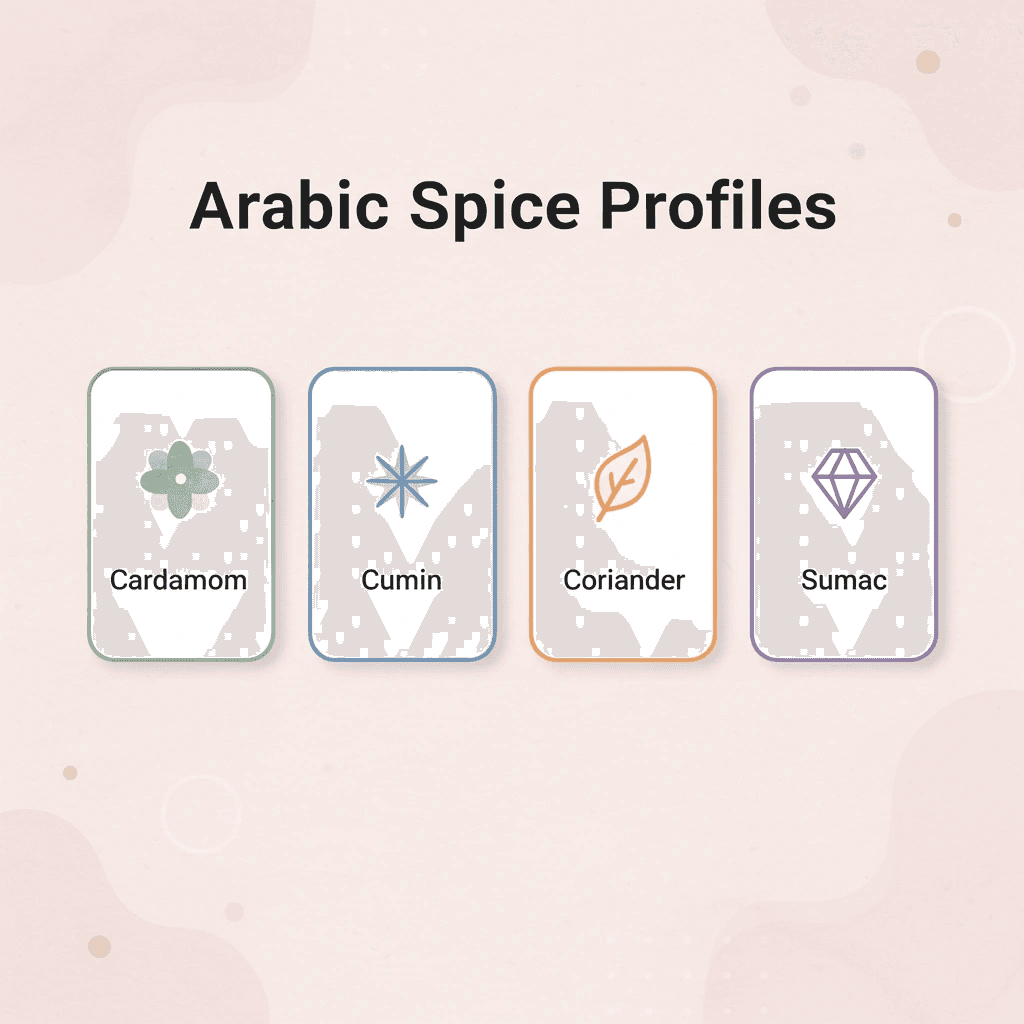
🎯 Key Point: These four core spices represent more than flavoring agents—they're cultural markers that connect modern Arabic cooking to centuries-old traditions passed down through generations.
🔑 Takeaway: The projected 51% market growth demonstrates that traditional Arabic spices aren't just surviving in the modern food landscape—they're thriving as global interest in authentic Middle Eastern flavors continues to expand.

Cardamom
Cardamom is one of the most beloved seasonings in Arabic kitchens for its complex, slightly sweet flavor with citrus and floral notes. Cooks use whole pods, which release their aroma slowly when simmered, and ground powder for quick seasoning in rubs or doughs. This versatile spice adds flavor to Arabic coffee with its signature scent and enhances the flavor of rice dishes, meats, and baked goods. A small amount goes a long way, making it an affordable staple that has shaped regional beverages and desserts for generations.
Paprika
Paprika brings vibrant color and gentle heat to Arabic preparations, appearing in marinades, sauces, and vegetable sides. The smoked variety adds subtle charred depth that mimics the flavor of traditional open-fire cooking. This spice integrates smoothly into everyday meals, enhancing stews and grilled items without overpowering other flavors. Its mild sweetness balances richer ingredients, contributing to the balanced taste profiles found across Levantine and Gulf tables.
Bay Leaves
Bay leaves impart a subtle herbal flavor to Arabic rice dishes and braised meats, releasing their aroma slowly during long simmering. Fresh or high-quality dried leaves have the strongest smell; supermarket versions often lack flavor. They appear often in pot-cooked meals such as spiced rice or hearty stews, adding an earthy undertone that brings other seasonings together. Remove them before serving to prevent bitterness and ensure a clean, aromatic final dish.
Coriander
Ground coriander is a staple in Arabic spice cupboards, offering bright, citrus-like earthiness that complements both meat and vegetable dishes. The powdered form distributes evenly in spice blends and marinades. It shows up in many recipes, from falafel mixtures to lentil soups, where it brightens heavier flavors and adds subtle complexity without dominating the taste.
Cinnamon
Cinnamon gives a sweet, warm taste that balances savory flavors in Arabic cooking. Available in stick and ground forms, whole sticks slowly infuse broths with flavor, while powder blends directly into rice or meat seasonings. This spice works well in yellow rice and spiced meats, rounding out richer flavors and creating depth. Its common use reflects how long-standing trade shaped the region's flavor traditions.
Cloves
Cloves add intense, sweet-spicy warmth to Arabic cooking. Cooks use whole buds for gentle infusion and ground powder for quick incorporation, allowing precise control over intensity. These aromatic buds feature in rice pilafs, stews, and seasoning blends, contributing a distinctive bite that pairs well with other warm spices. Restraint prevents overpowering the dish.
Dried Limes
Dried limes add a unique, tangy, slightly smoky, sour taste that distinguishes Gulf-style rice and meat dishes. Piercing the whole fruits before adding them to the pot allows their strong flavor to permeate the ingredients. This specialty ingredient is used in dishes like kabsa and similar ouzi-style rice dishes, giving an authentic depth that fresh citrus cannot match.
Sumac
Sumac gives a bright, lemony tartness through its deep red powder, making salads and grilled meats more vibrant with acidity. The spice's fruity tang cuts through richness without requiring extra citrus. It features prominently in Palestinian specialties like musakhan, where it coats chicken and onions for a signature zesty finish, and adds color and brightness when sprinkled over fresh vegetables.
Saffron
Saffron adds delicate floral notes and a golden color to rice dishes. A few threads soaked in warm water unlock its full aroma and color. Its high cost limits its use, but even small amounts transform plain grains into elegant fare in celebratory pilafs and special-occasion meals, honoring traditions spanning hundreds of years.
Za'atar
Za'atar is a fragrant blend of dried herbs, sumac, sesame seeds, and salt, central to Levantine breakfast tables. Families serve it with olive oil and labneh or yogurt for dipping warm bread, and it seasons flatbreads, roasted vegetables, and meats, adding herbal brightness and nutty crunch. Its everyday presence in Palestinian and broader Arabic homes demonstrates how spice blends create communal eating traditions.
Additional Spices
Cumin, turmeric, and curry powder round out many Arabic pantries, though they appear less frequently than core seasonings. Cumin provides earthy depth to falafel and stews, while turmeric adds color and warmth to rice. Curry powder occasionally appears in fusion-style dishes influenced by neighboring regions, offering layered flavours. These seasonings carry meanings that shift depending on who's cooking, who's eating, and the occasion.
Cultural Significance of Arabic Foods
Food in Arab culture is more than sustenance. It is a social contract. Sharing a meal creates obligations of trust and protection that bind families, neighbors, and strangers through acts of generosity. Refusing food signals rejection of the relationship itself. The abundance matters because scarcity—historically and geographically—shaped survival across deserts and trade routes where hospitality could mean the difference between life and death.

🎯 Key Point: In Arab culture, food sharing isn't just about nutrition—it's about creating sacred bonds of trust and mutual protection that can last for generations.
"Sharing a meal creates obligations of trust and protection that bind families, neighbors, and strangers through acts of generosity." — Traditional Arab Cultural Practice

💡 Cultural Insight: The historical reality of desert survival and trade route dangers transformed hospitality from a nice gesture into a life-or-death necessity, embedding food sharing as a core cultural value that persists today.
Meals as Markers of Identity and Belonging
Regional dishes serve as edible declarations of heritage. A Jordanian serving mansaf or an Egyptian preparing molokhia announces cultural identity through ingredients and technique. A comprehensive study identified the most popular local and traditional food dishes across different regions of the Kingdom of Saudi Arabia, documenting how these foods carry cultural significance beyond their nutritional value. Preparation methods passed from elder to child preserve entire systems of knowledge about seasonal timing, proper ratios, and when certain dishes appear. Mastering a grandmother's kibbeh or learning to judge rice doneness by sound means inheriting cultural memory encoded in muscle and instinct.
The Economics of Generosity
Big fancy meals for guests, even in homes with limited means, demonstrate what people value: where reputation depends on how much abundance people think you have, rather than how much wealth you actually have. Hosts prepare more food than anyone could eat because abundance communicates respect and status. This creates tension between economic reality and cultural expectation, with families sometimes straining their budgets to maintain appearances during weddings, religious holidays, or unexpected visits. The pressure intensifies during Ramadan, when iftar gatherings occur more frequently, and households informally compete to demonstrate welcome through the volume of dishes offered.
Food as Religious Practice
Halal requirements shape food choices at every turn, making grocery shopping and restaurant visits constant decisions between convenience and faith. Ramadan reorganizes entire days around two meals, shifting social life to evening hours when families gather for iftar, while the pre-dawn suhoor becomes a quiet moment to prepare for the fast. The month transforms food's purpose from enjoyment to discipline, then back to celebration when Eid arrives with sweets and roasted meats that taste richer after weeks of fasting. Fasting creates a shared experience across all economic classes because hunger affects everyone equally, making the breaking of the fast a moment of communal unity.
Conversations That Require Fluency
Understanding why a host insists you take more rice or what it means when someone offers their best cut of lamb requires reading context that vocabulary apps cannot teach. Kalam builds conversational fluency through speaking drills that prepare you for rapid exchanges around Arab tables, where politeness formulas, refusal patterns, and acceptance rituals follow unwritten scripts that shift based on relationship and occasion.
How does Arabic food encode emotional memories?
Certain dishes evoke stronger memories and feelings than pictures. Taste connects directly to moments of safety, celebration, or sorrow—moments that define your family's story. A specific blend of spices might transport you to your grandmother's kitchen or recall a holiday lost to time. Saving recipes becomes a way to fight forgetting. When you cook, it's like traveling back in time, and each successful dish demonstrates that your connection to someone survives distance or loss.
Why does language matter for understanding Arabic food culture?
But knowing what these foods mean matters only if you can speak the language that unlocks the conversations where their significance lives.
Related Reading
Urdu Vs Arabic
Best App To Learn Arabic
Arabic Vs Hebrew
Arabic Basics
Basic Arabic Phrases
Arabic Vowels
Learn Arabic in Any Dialect Today with Kalam
The real barrier emerges when you're ordering shawarma at a street cart in Amman, discussing a Moroccan family's grandmother's harira recipe, or navigating a Cairo spice market where vendors ask rapid questions about quantities and preferences. Vocabulary lists won't help those conversations—they don't teach the rhythm of negotiation, politeness formulas that signal respect, or how to ask follow-up questions about unfamiliar preparation methods.
💡 Tip: Real Arabic conversations happen at street level—in markets, restaurants, and family kitchens where formal textbook phrases fall short.
Kalam solves this by focusing on speaking from day one through interactive drills mirroring real exchanges around food. Short daily lessons center on practical scenarios: ordering at restaurants, discussing ingredients with vendors, and asking about family recipes. You practice with AI conversations that adapt to your dialect preference—Egyptian Arabic for Cairo, Levantine for Lebanon and Jordan. Pronunciation guides and video lessons show how native speakers talk when buying produce, explaining cooking techniques, and preparing you for the speed and informality of real conversations.

"Language mastery comes through active conversation practice, not isolated grammar drills." — Scott Young, Language Learning Expert
The platform includes gamified dialect challenges that make practice feel like preparation for actual travel rather than study. You rehearse specific exchanges: asking if a dish contains nuts, how spicy something is, or complimenting a cook's technique. This approach recognizes that language mastery comes through active conversation practice, not isolated grammar drills.

Feature | Benefit |
|---|---|
AI Conversations | Practice real-time dialogue |
Dialect Selection | Learn region-specific Arabic |
Food-Focused Scenarios | Master practical vocabulary |
Pronunciation Guides | Sounds like a native speaker |
🔑 Takeaway: Kalam transforms Arabic learning from memorizing words to mastering real conversations that matter in daily life.
Start learning Arabic today with Kalam, rated 4.8 on the App Store and trusted by over 10,000 members. Visit Kalam and download the app to transform your interest in Arabic food into genuine connections with the people who cook, sell, and share it.