01 Built for Dialects, Not Just Modern Standard Arabic
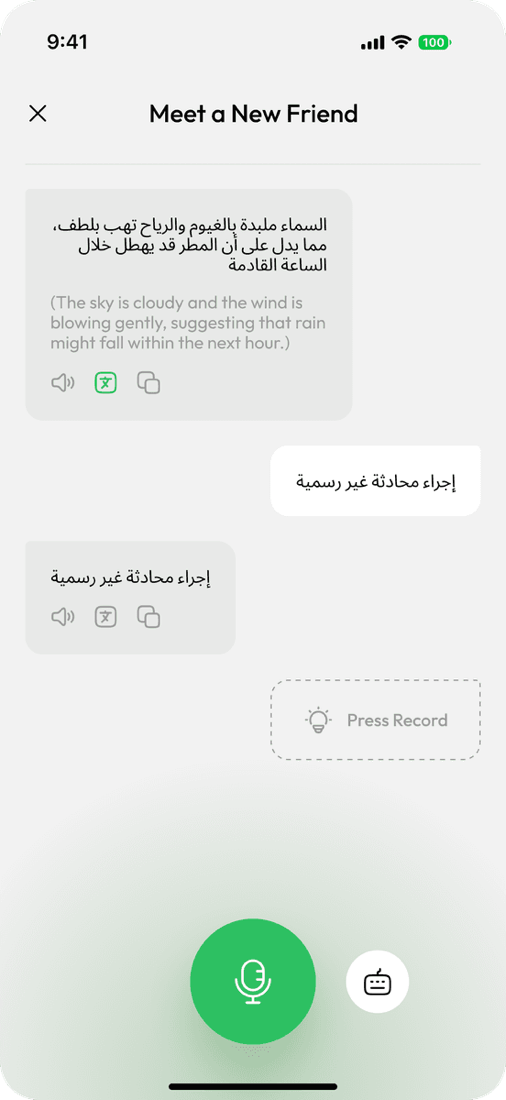
Most AI language tools teach Modern Standard Arabic, which native speakers rarely use in daily conversation. Kalam's Arabic AI trains you in Egyptian, Levantine, or Gulf dialects from day one.
Sound natural when ordering coffee in Cairo or chatting with friends in Beirut. Generic tools leave you speaking like a news broadcaster instead of a real person.
02 Structured Learning Path vs. Unguided Chat
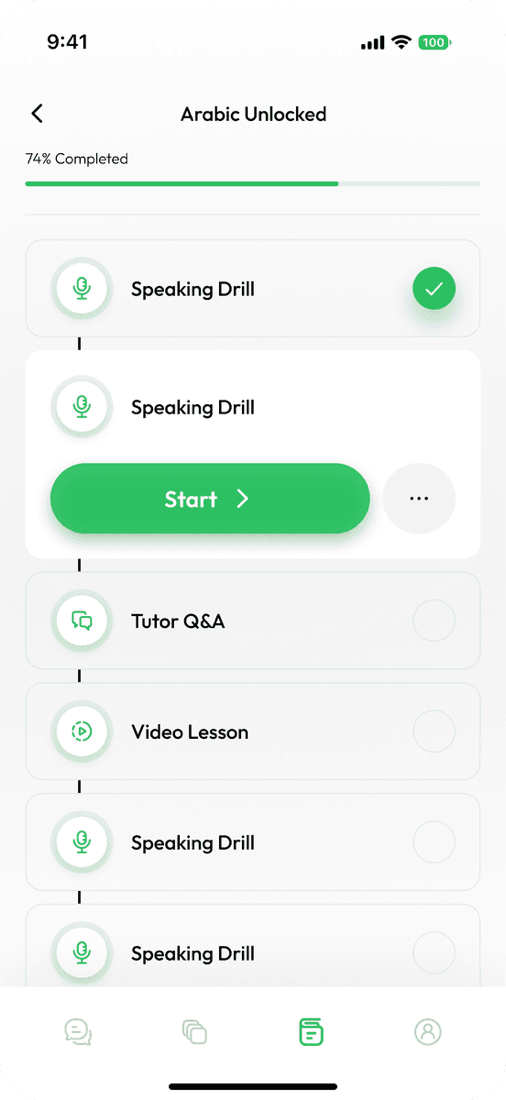
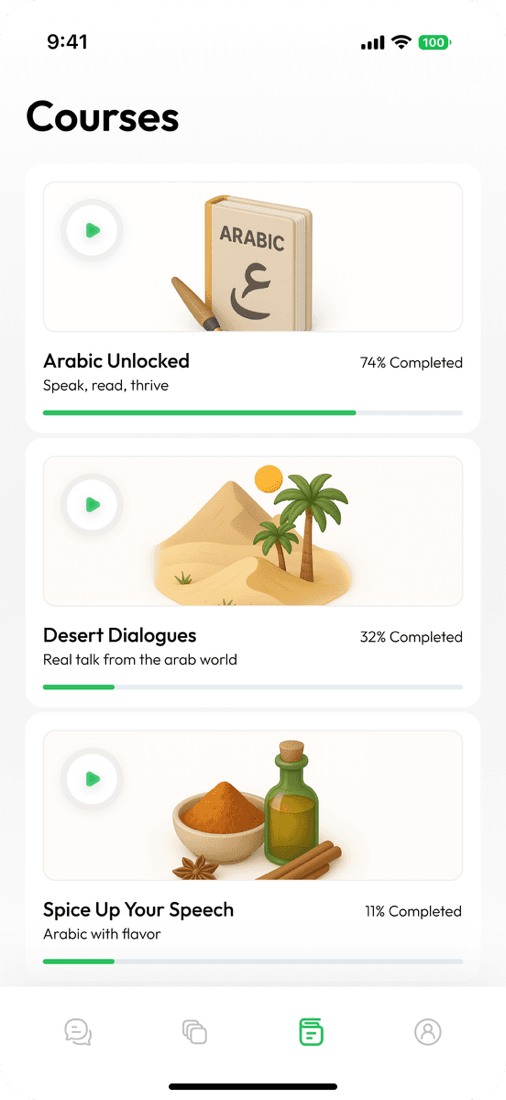
ChatGPT can answer Arabic questions, but it won't build your skills systematically. Kalam combines structured lessons with conversational practice, so you always know what to learn next without guessing.
Daily recommendations keep you progressing without decision fatigue. No more wasting time wondering what to practice or if you're actually improving.
03 Pronunciation Feedback Designed for Arabic Sounds
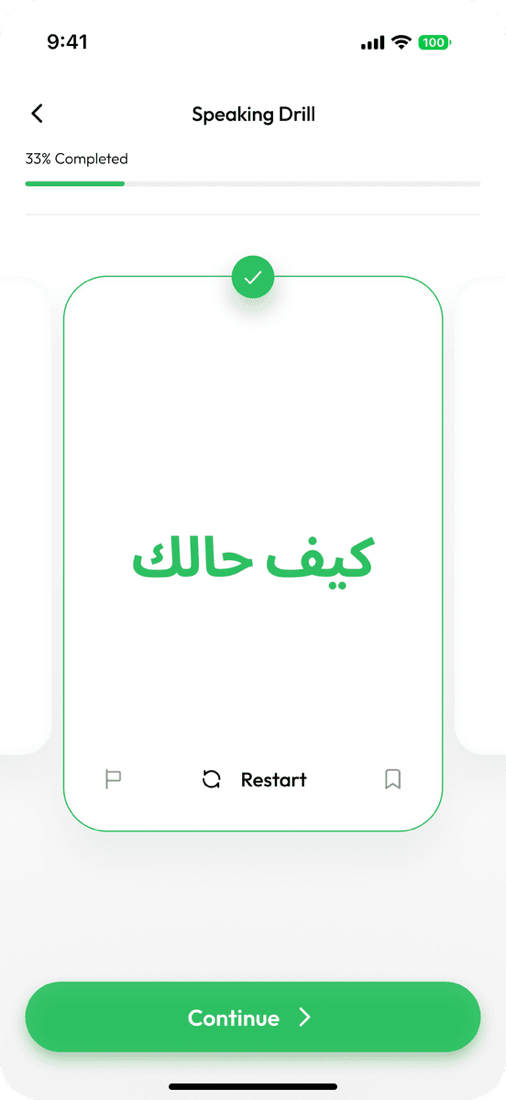
Generic speech recognition wasn't built for Arabic's unique phonetics—sounds like ع and ح trip up most AI tools. Kalam's model specifically recognizes and corrects these dialectal sounds that matter most.
Master pronunciation faster because the feedback targets what actually matters in spoken Arabic. Other tools miss these nuances entirely or treat them as interchangeable.
04 Always Available, No Scheduling Required
Language exchange partners cancel or reschedule frequently, disrupting your momentum.
Kalam's Arabic AI is ready when you are—10 minutes in the morning, 15 minutes before bed, or during your commute. Learning fits your life, not the other way around.
 Kalam