01 Jordanian Within the Levantine Family
Jordanian, Syrian, Lebanese, and Palestinian Arabic all belong to the Levantine dialect family. They share core grammar, most vocabulary, and are mutually intelligible.
Learning Jordanian means understanding speakers from Damascus, Beirut, and Ramallah naturally. Each region has its own flavor, but the foundation is the same.
02 Jordanian vs Modern Standard Arabic
MSA is the formal Arabic of news, literature, and official settings. Jordanian Arabic is what people speak at home, in shops, and with friends.
If your goal is conversation with family or daily life in Jordan, the dialect is what you need. MSA won't help you order coffee or chat with neighbors.
03 Jordanian vs Egyptian or Gulf Arabic
Egyptian and Gulf dialects differ significantly from Levantine Arabic in pronunciation, vocabulary, and grammar. If your family is Jordanian, learning Egyptian won't give you the right expressions or sounds.
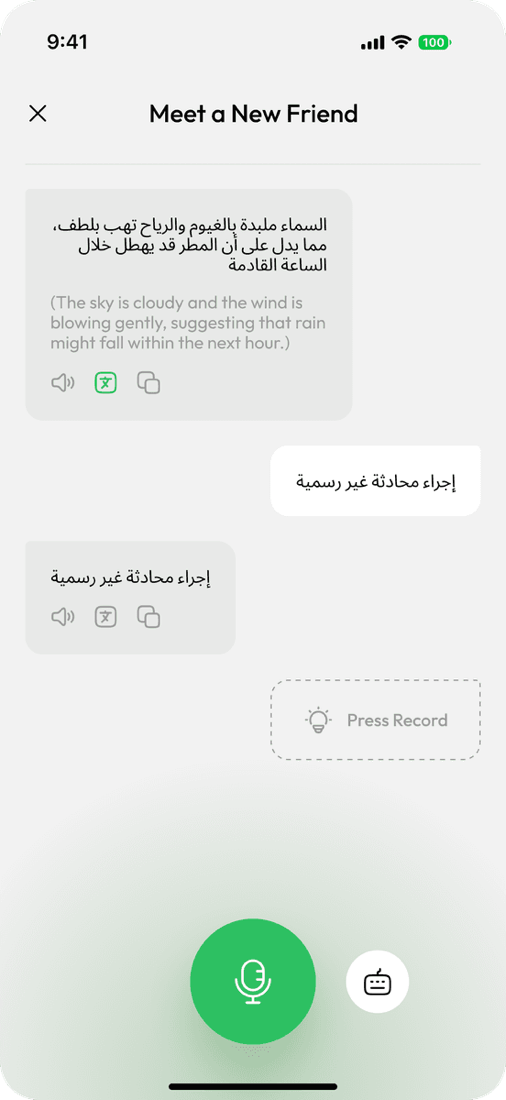
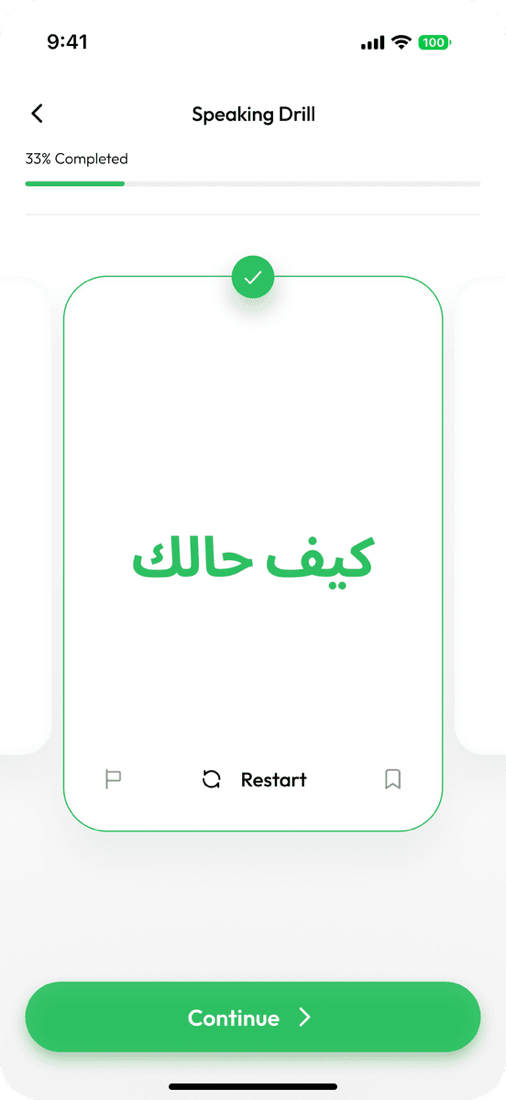
Kalam teaches specifically Jordanian Arabic, so you'll speak the way your family and community do. Not a different regional variant that won't feel natural to them.
04 Why Start with Jordanian
Jordanian's clarity and accessible rhythm make it one of the best entry points into Levantine Arabic. Once you master Jordanian, picking up Syrian or Lebanese becomes intuitive.
Many teachers recommend starting here because the pronunciation patterns are easier to hear and reproduce than other Levantine dialects. You'll build confidence faster.
 Kalam