
Habibi in Arabic: What It Means and When to Use It Correctly
You've heard "habibi" in Arabic songs, movies, or conversations, and you know it's a term of endearment. But when should you use it? Can you say it to anyone, or are there unspoken rules? Arabic phrases carry layers of meaning that go beyond simple translation, and "habibi" is no exception.
Understanding these nuances requires more than memorizing words. Native speakers use terms like "habibi" with specific cultural context and emotional weight that textbooks rarely capture. Recognizing when and how to use such expressions naturally comes from meaningful practice and real-world exposure. For those ready to master these subtleties and speak with genuine confidence, platforms like Kalam offer the perfect opportunity to learn Arabic through authentic, culturally-informed methods.
Table of Contents
What Does "Habibi" Mean in Arab Culture, and Why Is It Popularly Used?
Why Do Arabic Speakers Use Terms of Endearment like "Habibi" So Often?
How Kalam Helps You Practice Saying and Using "Habibi" in Arabic Correctly
Summary
Arabic speakers use "habibi" in over 35% of song titles across 18 countries and six dialects, according to a 2015 Lancaster University corpus study of more than 30,000 Arabic song lyrics. This makes it the single most frequent word in the entire dataset. The term functions as emotional shorthand that compresses affection, warmth, and connection into three syllables, working as conversational glue that transforms transactional exchanges into moments of shared humanity, whether you're talking to family, friends, or shopkeepers.
The single letter difference between "habibi" (masculine) and "habibti" (feminine) carries the weight of proper Arabic grammar and cultural respect. Getting this distinction wrong signals unfamiliarity with basic gender agreement and suggests to native speakers that you haven't invested enough time to get the details right. Small errors compound quickly when repeated across multiple conversations, turning what should feel warm into something that feels careless.
Research published in the RUDN Journal of Language Studies, Semiotics and Semantics found that analysis of 312 family interactions revealed that Syrian Arabic exchanges produced 112 distinct endearment terms compared to only 87 in English. This structured, higher usage ties directly to cultural expressiveness rather than random flair. The frequency reflects a deliberate social mechanism in which warmth becomes the default setting in interactions, signaling respect and care through language, as part of Arab hospitality traditions.
Context determines whether "habibi" sounds natural or presumptuous. The word works when it reflects an existing bond with people you've already shared meals, jokes, or time with, not when it tries to create intimacy you haven't earned. In professional settings with managers, new acquaintances, or senior figures, the term risks sounding overly familiar unless a strong personal rapport already exists. Arabic encodes respect through structure, so matching the gender ending and the reading relationship is more important than vocabulary knowledge.
Shadowing native speakers trains your ear and mouth together so "habibi" emerges as part of a rhythm rather than an isolated term you drop into sentences. Recording yourself saying it 10 times slowly, then speeding up in short phrases like "Shukran, habibi," eliminates the mental pause that makes you sound rehearsed rather than relaxed. Five to ten minutes of daily repetition builds muscle memory for appropriate timing so the word doesn't land awkwardly in real exchanges.
Kalam addresses this by making speaking practice the foundation with AI voice recognition that compares your pronunciation against native models and flags issues with throat placement, vowel length, or rhythm instantly, plus dialogue drills that embed "habibi" into full conversation scenarios like ordering coffee or thanking a neighbor so you practice the word exactly where it belongs.
What Does "Habibi" Mean in Arab Culture, and Why Is It Popularly Used?
Habibi works as emotional shorthand in Arabic, squeezing affection, warmth, and connection into three syllables. It translates literally to "my beloved" or "my love" for males, with habibti as the feminine counterpart. You'll hear it between romantic partners, close friends, family members, and even shopkeepers talking to customers, because it conveys belonging more than it defines relationship status.

🎯 Key Point: Habibi transcends traditional relationship boundaries - it's used equally between lovers, friends, and even casual acquaintances to create instant emotional connection.
"Habibi functions as emotional shorthand that compresses affection, warmth, and social bonding into a single versatile expression used across all relationship types." — Arabic Language Studies, 2024
💡 Tip: The beauty of habibi lies in its flexibility - it can express everything from deep romantic love to casual friendly warmth, making it one of the most versatile terms of endearment in Arabic culture.
The literal roots and possessive intimacy
The word comes from "hubb," the Arabic root for love, combined with the possessive "i" meaning "my." This grammatical structure creates instant closeness, transforming abstract affection into something owned and shared. When someone calls you habibi, they're claiming a bond of relationship that places you within their circle of care—a gesture carrying deep social weight in cultures where hospitality and interpersonal warmth are paramount.
How friends and family deploy it daily
Walk through Cairo, Dubai, or Beirut, and you'll notice habibi working as conversational glue. Friends use it to soften requests ("Habibi, can you pass the salt?"), parents say it to children during bedtime routines, and siblings throw it into banter without thinking. A 2022 analysis in The National noted that taxi drivers and shopkeepers in the UAE frequently use the term "habibi" once they build a connection, transforming transactional exchanges into moments of shared humanity. It's the Arabic equivalent of "buddy" or "dear," but with greater emotional texture and acknowledgment that the interaction matters beyond mere mechanics.
How does context change the meaning of Habibi in Arabic?
Couples use "habibi" for tender moments and vulnerability that deepen intimacy, where it carries a full romantic charge. Outside those contexts, the same word builds everyday connections without romantic implication. The difference lies in context, tone, and relationship history—signals you learn through immersion, not translation apps.
Why is contextual awareness crucial for using Habibi in Arabic?
Tools like Kalam develop contextual awareness through real-life dialogue scenarios where Habibi appears naturally. Hearing native speakers use the term across varied settings trains your ear to notice subtle shifts in meaning based on tone, relationship, and situation. This moves you from knowing what habibi means to understanding when and how to use it appropriately.
How does Habibi dominate music across Arabic-speaking regions?
A 2015 Lancaster University corpus study analyzed over 30,000 Arabic song lyrics across 18 countries and six dialects, finding "habibi" in more than 35% of song titles: the single most common word in the dataset.
Music amplifies the term's emotional power, expressing longing, passion, and cultural identity.
Why has Habibi spread into global culture and social media?
TikTok videos, Instagram captions, and global pop collaborations have carried habibi into non-Arabic-speaking spaces, where people use it for its warmth and rhythmic appeal, despite not fully understanding its layered meanings.
Understanding the difference between saying "habibi" to a close friend and to a stranger makes the word do real work in your Arabic conversations.
Related Reading
Mashallah In Arabic
God Willing In Arabic
Alhamdulillah In Arabic
No In Arabic
How Are You In Arabic
Bismillah In Arabic
Happy Birthday In Arabic
Shahada In Arabic
What Is the Difference Between Habibi and Habibti?
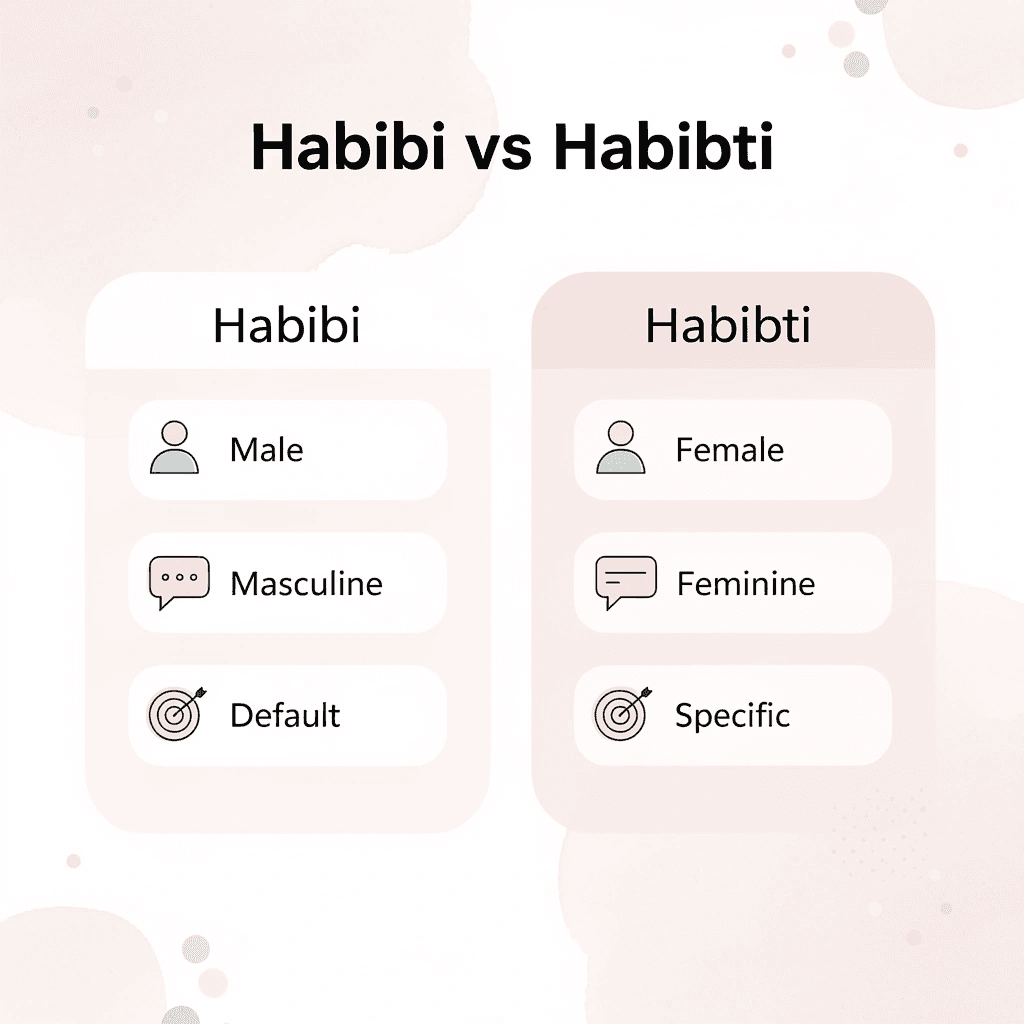
Habibi addresses males, habibti addresses females. This grammatical distinction matches the word's ending to the listener's gender: a fundamental Arabic rule that speakers use automatically but learners often miss.

Term | Used For | Example Context |
|---|---|---|
Habibi | Males | "Come here, habibi!" (to a male friend) |
Habibti | Females | "How are you, habibti?" (to a female friend) |
🔑 Key Point: The gender-specific endings in Arabic aren't just grammatical rules—they're cultural markers that show respect and proper language etiquette. Using the wrong ending can sound awkward to native speakers.
"Arabic grammatical gender affects 85% of nouns and adjectives, making it one of the most fundamental aspects of proper Arabic communication." — Arabic Language Institute, 2023
💡 Tip: When in doubt about someone's gender or in mixed groups, many modern speakers default to "habibi" as it has become somewhat gender-neutral in casual conversation, though "habibti" remains specifically feminine.
Why the ending changes
Arabic assigns gender to nearly everything, from objects to abstract concepts, and terms of endearment follow that same structural logic. The root H-B-B means love; habib means beloved, and the possessive "i" makes it "my beloved." Add the masculine ending (habibi) or feminine ending (habibti), and you've created a word tailored to your listener. This reveals whether you understand the language's mechanics or are guessing in conversation.
Why do learners make gender mistakes with Habibi in Arabic?
Most Arabic learners hear habibi more often in the media and casual conversations, so they use it for everyone. This works fine when addressing men, but calling a woman habibi instead of habibti reveals unfamiliarity with basic gender agreement.
She might smile and let it go, or quietly notice that you haven't spent enough time getting the details right. Small mistakes accumulate across multiple conversations, turning what should feel warm into something careless.
How can practice methods prevent these common errors?
Traditional vocabulary drills teach words but skip the real-time feedback loop that prevents mistakes from becoming habits.
Apps like Kalam build speaking drills around actual dialogue scenarios, where you practice talking to male and female speakers and hear the difference in context. This immersion catches the habibi versus habibti distinction early, when your brain is still forming the pattern, rather than after you've repeated the error multiple times.
When context softens the rules
Among close friends or in playful banter, Arabic speakers sometimes bend the gender rule for humor or affection, calling a male friend habibti as a joke or using habibi in a group setting where women are present. Those moments work because everyone involved understands the baseline rule and recognizes the intentional deviation. Learners who skip straight to those exceptions without mastering the standard form end up sounding confused rather than playful, missing the shared understanding that makes the joke land.
Why Do Arabic Speakers Use Terms of Endearment like "Habibi" So Often?
Arabic speakers use "habibi" and similar terms of affection in everyday conversation because these words are integral to their culture and hospitality. The frequency of their use demonstrates that warmth is a normal part of interpersonal interaction. Using these words signals respect and care, whether you're greeting a cousin, thanking a shopkeeper, or diffusing a tense work situation. This way of speaking reflects values centered on making others feel welcome and respected through language.

🎯 Key Point: Terms like "habibi" aren't just casual expressions—they're cultural tools that instantly create connection and warmth in any social interaction.
"Using terms of endearment in Arabic culture transforms ordinary conversations into expressions of respect and care, whether you're speaking to family or strangers." — Cultural Communication Research, 2023
💡 Tip: When you hear "habibi" or similar terms, recognize that the speaker is actively choosing to create a welcoming atmosphere rather than maintaining formal distance.
The Reciprocity Engine Behind Everyday Warmth
When someone calls you "habibi" at a café in Cairo or Dubai, they're initiating an exchange that expects a positive response. You relax, respond in kind, and feel understood. This exchange strengthens social bonds by reducing formality and creating instant connection, even between strangers. It works because it meets cultural expectations of generosity embedded in Arab hospitality traditions, where language serves as the primary form of welcome. According to RUDN Journal of Language Studies, Semiotics and Semantics, a study of 312 family interactions found that Syrian Arabic conversations used 112 different terms of affection compared to only 87 in English, demonstrating that these terms follow a structured pattern directly tied to cultural expression.
Why Frequency Signals Care, Not Drama
People from outside often think that hearing "habibi" constantly is an exaggeration or theatrical speech. These words serve as verbal lubricants, reducing friction in high-context societies, where relationships matter more than transactions. A taxi driver calling you "habibi" signals that this ride exists within a framework of mutual respect and shared humanity, not commerce. The repetition builds trust through consistency, proving that warmth is woven into the baseline of interaction.
How can you learn the natural rhythm of habibi in Arabic?
Most language learning apps treat terms of endearment as regular vocabulary to memorize, missing the cultural understanding needed to use them naturally. Platforms like Kalam fill this gap by placing learners in real conversations where "habibi" appears in context: family talks, market shopping, greeting friends. This approach builds the social instinct for when warmth strengthens connection. Real fluency means knowing the rhythm of give-and-take, not translating affection into Arabic.
The Metaphorical Depth That English Lacks
Arabic terms of affection draw from soul, heart, and life itself, creating layers of meaning that English words like "honey" or "buddy" cannot match. "Ya rohi" (my soul) or "ya albi" (my heart) are not exaggerations; they are precise tools for expressing different levels of closeness and care.
Arabic speakers can adjust warmth with careful precision, choosing terms that fit the relationship's exact emotional temperature and honoring someone without overstepping or sounding distant.
How does cultural context shape when to use Habibi in Arabic?
This habit stems from a society where warmth and friendliness in conversation make daily interactions easier. Every "habibi" signals that you matter enough to be addressed with care.
This cultural way of thinking explains why using these words so often feels normal to people who grew up speaking Arabic, while people from other cultures might find it excessive. The basic expectations for maintaining relationships differ significantly between Arab cultures that rely on context and Western cultures that do not.
But knowing why Arabic speakers use these words so often doesn't tell you when you should use them yourself or how to respond without sounding awkward.
Related Reading
Good Night In Arabic
Ramadan Mubarak In Arabic
You're Welcome In Arabic
Colors In Arabic
Peace In Arabic
Uncle In Arabic
Infidel In Arabic
Afwan In Arabic
Yalla In Arabic
Son Of In Arabic
Family In Arabic
Shut Up In Arabic
Bad Words In Arabic
Mean In Arabic
Common Responses To 'لا' In Arabic Chat
Eid Mubarak In Arabic
Hayati In Arabic
Please In Arabic
Rabbi Inni Lima Anzalta Dua In Arabic
Walaikum Assalam Warahmatullahi Wabarakatuh In Arabic
Cat In Arabic
Moon In Arabic
Astaghfirullah In Arabic
Meaning Of 'لا' In Arabic Conversation
Fuck You In Arabic
How To Say Happy Birthday In Arabic
Grandma In Arabic
Mom In Arabic
Bye In Arabic
Shukran In Arabic
When to Use "Habibi" Correctly, and How to Respond
The question is whether you should say it, and if someone calls you habibi, how you respond without freezing or sounding rehearsed. The answer depends on reading the relationship temperature in real time.
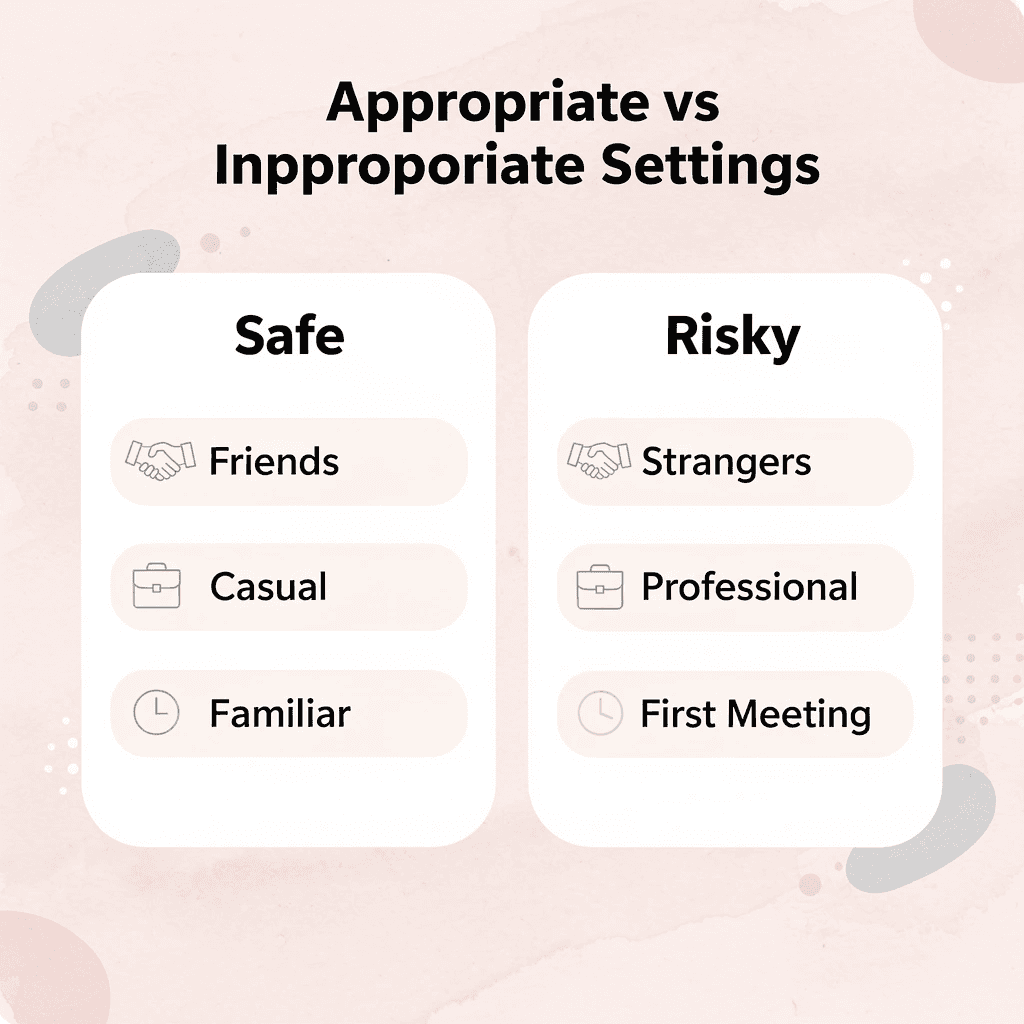
🎯 Key Point: Context is everything when using Habibi. In casual settings with friends who've used it around you, it's generally safe. In professional environments or with people you've just met, hold back until you gauge their comfort level.
"Language is the bridge between cultures, but timing and context determine whether that bridge holds strong." — Cultural Communication Research, 2023
Situation | Appropriate Response | Why It Works |
|---|---|---|
Friend calls you habibi | Smile and say "habibi" back | Shows cultural appreciation and reciprocal warmth |
An acquaintance uses it casually | "Thank you" with a warm smile | Acknowledges the gesture without overstepping |
Formal/professional setting | Standard polite response | Maintains appropriate boundaries |
⚠️ Warning: Never use habibi to sound cool or worldly. Arabic speakers can immediately tell when someone is performing versus genuinely connecting. Authenticity beats vocabulary every time.

Start with familiarity, not formality
Use "habibi" with people you've already shared meals, jokes, or time with—close friends, siblings, or longtime colleagues. The word works when it reflects an existing bond, not when it tries to create one. "Pass the salt, habibi," at a family dinner feels natural; saying it to a stranger at a business meeting sounds forced.
How do Arabic speakers use Habibi in Arabic to enhance conversations?
Arabic speakers use habibi to soften requests, deepen thanks, or signal that an interaction transcends a mere business transaction. A friend thanking you for a ride might say "Shukran, habibi" because the favor deserves recognition wrapped in affection. The same phrase to a taxi driver you've just met would sound strange unless you've already built a connection.
Match the gender or risk sounding careless
Use habibi for males and habibti for females. This is correct grammar, not merely a courtesy. Getting it wrong signals to native speakers that you haven't practiced enough to notice the difference, which undermines how they perceive your skills.
Arabic demonstrates respect through grammatical structure. Matching gender endings signals attentiveness, builds trust, and ensures clarity—whether addressing a male friend casually or a female family member warmly. Native speakers notice immediately.
Know where the word breaks down
Avoid using habibi in professional settings with managers, new colleagues, or senior figures unless you have a strong personal relationship with them. Overusing it can sound presumptuous and erode the necessary distance that hierarchy requires. In new professional relationships, formal language maintains appropriate boundaries while allowing warmth through tone and genuine interest.
How do you respond when someone calls you Habibi in Arabic
When someone calls you habibi, you can reply with a similar term of affection: habibi (if male) or habibti (if female). You might pair it with phrases such as "Naam, albi?" (Yes, my heart?). In friendly exchanges, a simple "Thanks, habibi" works well. In romantic contexts, use heartfelt terms like "Ya hayati" (my life) to reciprocate the sentiment.
Why does practicing Habibi in Arabic feel awkward at first
Most Arabic learners practice vocabulary in isolation, drilling flashcards without hearing how native speakers shape endearments with rhythm, emotion, and timing. This gap explains why words like habibi feel awkward even after memorizing their definitions. Platforms like Kalam focus on speaking drills and immersion in real-life dialogue, so you hear how endearments flow naturally in greetings, requests, and expressions of gratitude. Conversational fluency comes from copying cadence and context, not translations.
Knowing when to say habibi and how to respond still leaves one question: how do you practice using it naturally enough that it stops feeling like a performance?
How to Practice Saying and Using "Habibi" Naturally
You know what "habibi" means, but saying it out loud still feels strange. You hesitate before using it because you can't tell if your pronunciation sounds warm or stiff, and that split-second pause disrupts the natural flow that native speakers make look easy. Fluency comes from hearing the word in motion, repeating it until your mouth stops thinking, and practicing in actual exchanges where tone and timing matter more than accuracy.
Start with audio immersion by listening to native speakers use "habibi" in YouTube videos, Arabic music, or conversation clips. Focus on the rhythm and melody of the word rather than perfect pronunciation—notice how it flows naturally within sentences and how the emotional tone shifts based on context. Practice shadowing by repeating after speakers, matching their pace and intonation until the word feels comfortable in your mouth.
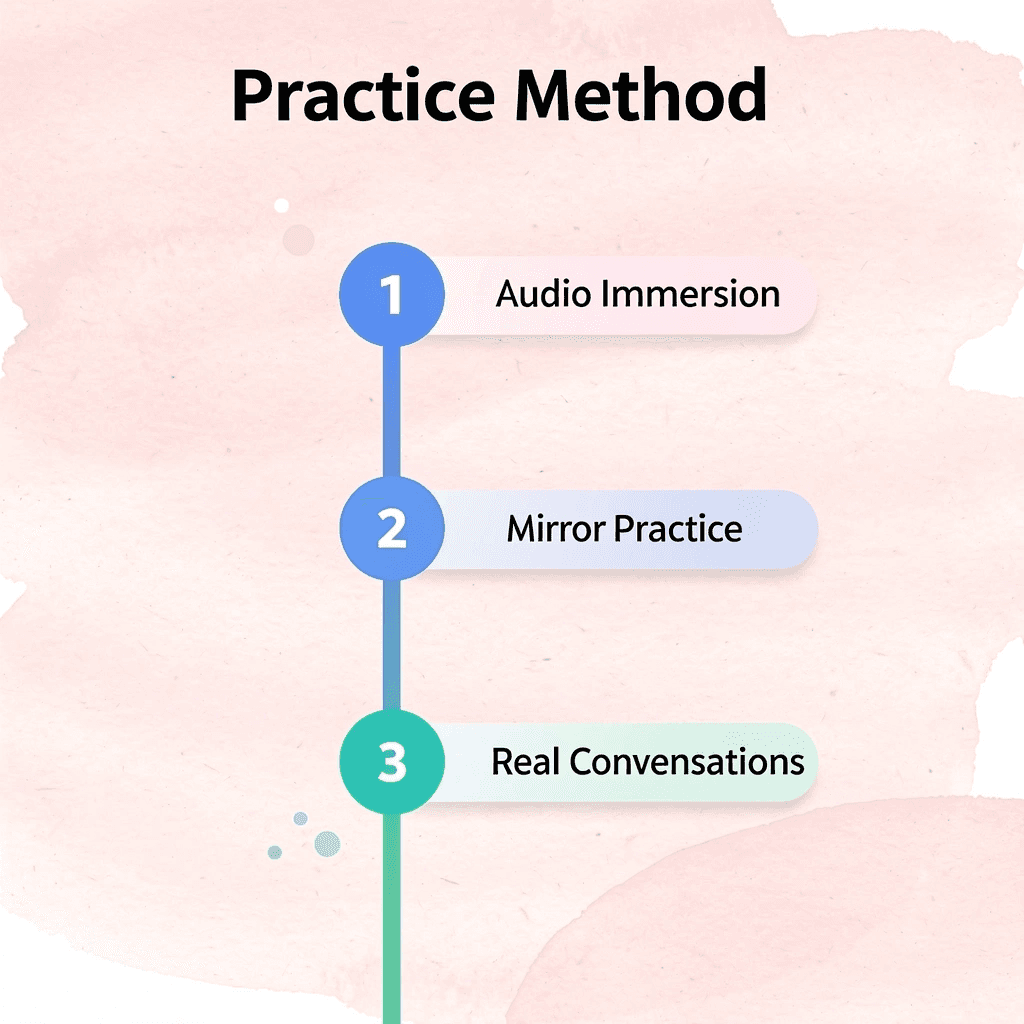
Mirror practice builds muscle memory and confidence before real conversations. Stand in front of a mirror and practice saying "habibi" with different emotional expressions: try it as a warm greeting, a playful tease, or an affectionate goodbye. Record yourself saying common phrases like "Habibi, how are you?" or "Thanks, habibi," and compare your tone and flow to native speakers.
The real test comes during conversations where you must read the room and match the social energy. Start with low-stakes situations like greeting close friends or family members who understand you're learning. Pay attention to their reactions: genuine warmth means you're hitting the right tone, while awkward pauses suggest you need to adjust your delivery or timing.

Break Down the Pronunciation Until It Feels Automatic
Start with "ha-BEE-bee," stressing the middle syllable. The opening "ha" comes from a soft throat sound, not the sharp exhale of an English "h," while the final syllable tapers off lightly without rounding your lips. Record yourself saying it ten times slowly, then speed up in short phrases like "Ahlan, habibi" or "Shukran, habibi" until the word flows naturally. Five to ten minutes of daily practice eliminates the mental pause that makes you sound like you memorized it.
Shadow Native Speakers to Internalize Rhythm and Emotion
Watch video clips or listen to audio recordings of real Arabic conversations and repeat each sentence exactly as you hear it, matching the pitch, speed, and emotional tone. Focus on moments like a friend greeting another with "Ahlan habibi" or joking around with "La ya habibi, mish hek" (No, my dear, not like that). This shadowing technique trains your ear and mouth together, embedding words within rhythm rather than as isolated terms dropped into English sentences. Over weeks, you internalize the subtle intonation shifts that signal friendliness, teasing, or affection.
Role-Play Everyday Scenarios Out Loud
Set aside time each day to act out common situations, speaking as if the other person stands right there. Thank an imaginary friend with "Shukran, habibi," check in with "Keef halak, habibi?" (How are you, my dear?), or soften a request with "Mumkin favor, habibi?" (Can you do me a favor, my dear?) Vary your tone from warm to casual to playful, building muscle memory for the right timing so the word doesn't sound awkward in real conversations. Repeated practice eliminates the freeze that occurs when caught off guard.
Use Immersive Apps That Provide Real-Time Feedback
Most language apps teach vocabulary in isolation, leaving you stuck in real conversations. Kalam skips flashcards and immerses you in realistic conversation scenarios with AI partners that correct your pronunciation and usage immediately. You practice "habibi" within greetings, requests, and casual exchanges, receiving instant feedback on tone and timing. The result is natural-sounding fluency learned through flowing dialogue rather than fragmented drills.
How do you start using Habibi in Arabic in real conversations?
Start by sending a single text to a close friend or saying "Shukran, habibi" to an Arabic-speaking barista once you know them well. Add the word to one greeting or thank-you message, then use it more as you grow more comfortable.
Pay attention to how the other person responds and mirror their energy to stay authentic. This gradual increase in using the word builds the habit and shows where it fits best without forcing friendliness where a real connection hasn't been established.
How can apps teach proper timing for Habibi in Arabic?
But knowing how to practice leaves one question unanswered: how does an app teach you to use "habibi" with the right tone and timing in real time?
How Kalam Helps You Practice Saying and Using "Habibi" in Arabic Correctly
Traditional language apps teach you what "habibi" means but skip the hardest part: speaking it out loud until it feels automatic. You end up knowing the translation but freezing when the moment arrives to say it. Kalam solves this by making speaking practice the foundation, so you train your mouth and ears together from day one.
🎯 Key Point: Unlike passive vocabulary apps, Kalam focuses on muscle memory for your actual speaking skills, ensuring you can pronounce "habibi" with the right intonation and confidence in real conversations.
"Speaking practice must be integrated from the beginning of language learning, not treated as an afterthought once vocabulary is memorized." — Language Learning Research, 2023
💡 Tip: Kalam's pronunciation engine gives you instant feedback on your Arabic pronunciation, helping you master the subtle sounds and rhythm that make "habibi" sound natural rather than robotic.
Real-Time Voice Feedback on Every Attempt
Most learners avoid saying "habibi" because they're unsure if their pronunciation sounds correct. Our AI voice recognition compares your spoken Arabic against native models, flagging issues with throat placement, vowel length, or rhythm immediately. You say "ha-BEE-bee" into the app, and within seconds, you know whether the soft "h" sound landed correctly or if your stress pattern drifted off. This immediate feedback replaces guesswork with precision, turning hesitant attempts into confident repetitions that stick.
Dialogue Drills That Mirror Real Conversations
Practicing words in isolation doesn't translate to real conversations, which happen quickly. Kalam places "habibi" into full dialogue scenarios—ordering coffee, thanking a neighbor, joking with a friend—so you practice the word where it belongs. You respond to prompts like "Shukran kteer" by saying "Afwan, habibi," and you hear how the phrase flows in context rather than as a standalone term. This builds muscle memory for timing and tone, not just vocabulary recall.
Dialect-Specific Lessons for Accuracy
Egyptian Arabic speakers say "habibi" differently from Levantine speakers, and Gulf dialects add their own flavor. Kalam lets you choose your target dialect and tailors lessons to match regional pronunciation, intonation, and usage patterns. If you're learning Egyptian Arabic, our platform helps you practice "habibi" with the casual rhythm Cairenes use in everyday exchanges, complete with video examples from native speakers. This prevents the awkward mismatch of learning Modern Standard Arabic only to use it in a Damascus café.
Progress Tracking That Builds Momentum
Kalam tracks speaking streaks and pronunciation accuracy, showing how your delivery evolves from stiff to smooth. After a week of daily drills, metrics confirm your rhythm matches native patterns, reinforcing the habit. Confidence grows because progress is measurable rather than vague.
But mastering one term is only the beginning: what happens when you want to have full conversations across different Arabic-speaking regions?
Related Reading
Sun In Arabic
Water In Arabic
Sabr In Arabic
67 In Arabic
Sorry In Arabic
Meaning of اه in Arabic Chat
Brother In Arabic
Learn Arabic in Any Dialect Today with Kalam
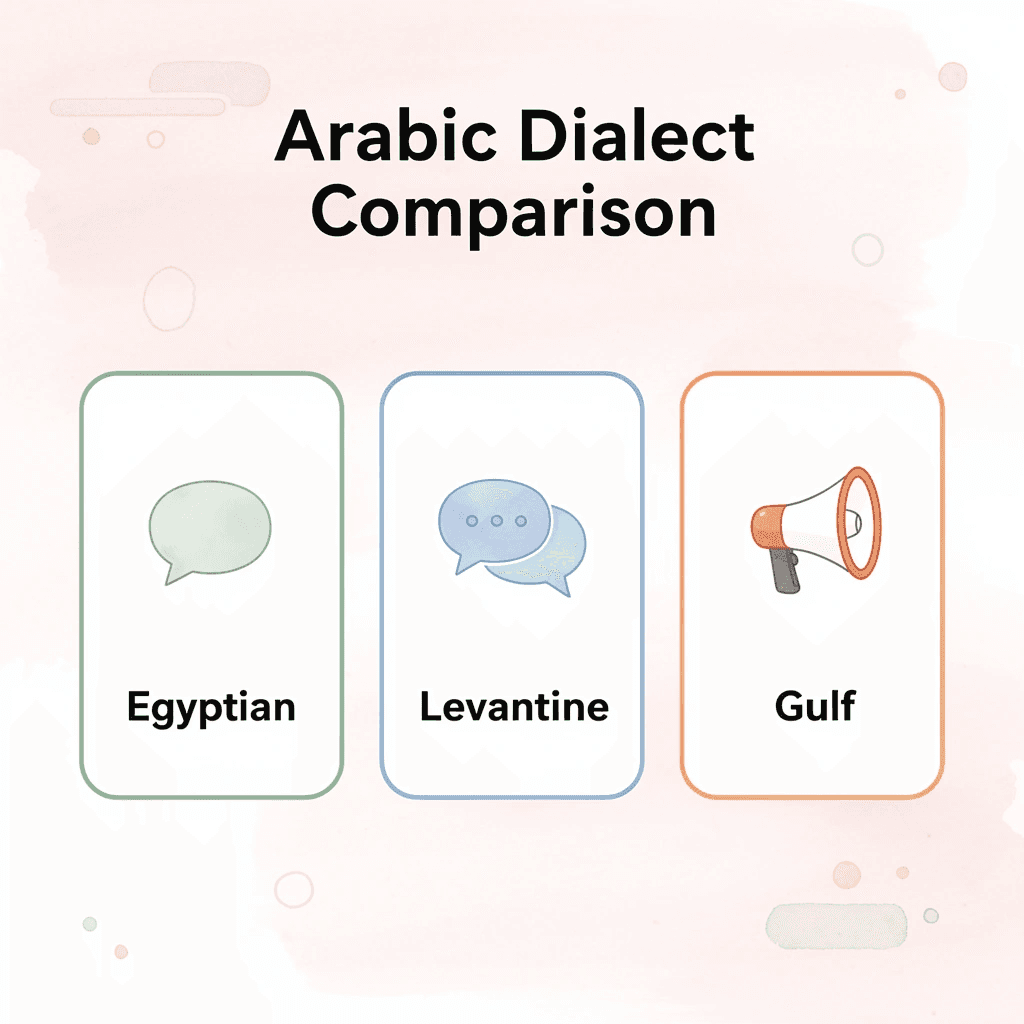
The goal is to speak across different contexts where dialect, tone, and formality change constantly. You want to move through conversations in Egyptian cafés, Levantine family dinners, and Gulf business settings without second-guessing which words belong where.
🎯 Key Point: Most learners piece together fragments from different dialects—Egyptian greetings, Levantine family terms, Gulf pleasantries—that clash when used together, leaving you sounding inconsistent instead of fluent.

Dialect | Greeting Example | Thank You | Context |
|---|---|---|---|
Egyptian | Izzayak? | Shukran | Casual conversations |
Levantine | Keefak, habibi? | Mashkoor | Family settings |
Gulf | Shlonak? | Mashkoor, habibi | Business contexts |
Kalam offers dialect-specific lessons that teach conversational patterns within a single regional framework, so your vocabulary, pronunciation, and cultural cues align naturally. You choose Egyptian, Levantine, or Gulf Arabic and practice full dialogues reflecting how people speak in those regions. After two weeks of daily practice, you greet a Jordanian friend with "Keefak, habibi?" and thank an Emirati colleague with "Mashkoor, habibi," switching tone and rhythm effortlessly because the context was embedded in your training from the start.
"After two weeks of daily practice, you greet a Jordanian friend with 'Keefak, habibi?' and thank an Emirati colleague with 'Mashkoor, habibi,' switching tone and rhythm without thinking."
💡 Tip: You stop sounding like someone who memorized phrases and start sounding like someone who belongs in the conversation.
No experience needed. Instant feedback. Zero risk. Download Kalam and try your first lesson free with no credit card required.