6 Ways to Say "Happy Birthday" In Arabic & How to Respond
Attending a celebration with Arabic-speaking friends or colleagues becomes more meaningful when you can offer birthday wishes in their native language. Knowing the right greetings shows respect for their culture and creates deeper connections beyond simple translations of "happy birthday." Proper pronunciation and understanding when to use different expressions help you celebrate with confidence and authenticity.
Mastering birthday greetings requires more than memorizing words—it involves understanding cultural context and conversational usage. Whether connecting with Arabic-speaking family members or expanding language skills for future celebrations, building this foundation opens doors to richer cultural experiences. Kalam provides the practical tools and real-world context needed to learn Arabic naturally and effectively.
Table of Contents
What Does “Happy Birthday” Mean in Arabic, and What is the Most Common Way to Say It?
What Is the Difference Between Formal and Casual Arabic Birthday Wishes?
Is “Happy Birthday” Said Differently in Egyptian, Levantine, and Gulf Arabic Dialects?
6 Ways to Say "Happy Birthday" In Arabic & How to Respond Correctly
How to Practice Saying and Replying to Birthday Wishes in Arabic Naturally
How Kalam Helps You Say and Reply to Birthday Wishes in Arabic Naturally
Summary
Modern Standard Arabic provides universal safety with "Eid Milad Saeed," but regional dialects carry emotional weight that formal phrases cannot replicate. Egyptian speakers use "Kul Sana Wa Enta Tayyib," Levantine regions prefer "Kul Sana Wa Enta Salem," and Gulf dialects favor "Kul 'Am Wa Anta Bikhair." Each version signals cultural belonging beyond simple translation. A 2021 study analyzing 855 birthday messages from Jordanian Facebook users found that greetings blend standard phrases with emotional, religious, and poetic elements, revealing how deeply these wishes are rooted in social values rather than vocabulary alone.
Formality decisions communicate relationship boundaries more clearly than the words themselves. Modern Standard Arabic maintains a professional distance toward supervisors, clients, or elders, whereas dialectal switches signal intimacy and shared cultural identity in personal relationships. Research on Jordanian greeting strategies found that speakers deliberately shift to MSA when social distance increases, using formality as a means of preserving respect. Mismatched formality creates measurable social friction that lingers after the conversation ends, altering relationships based on first impressions that are hard to correct.
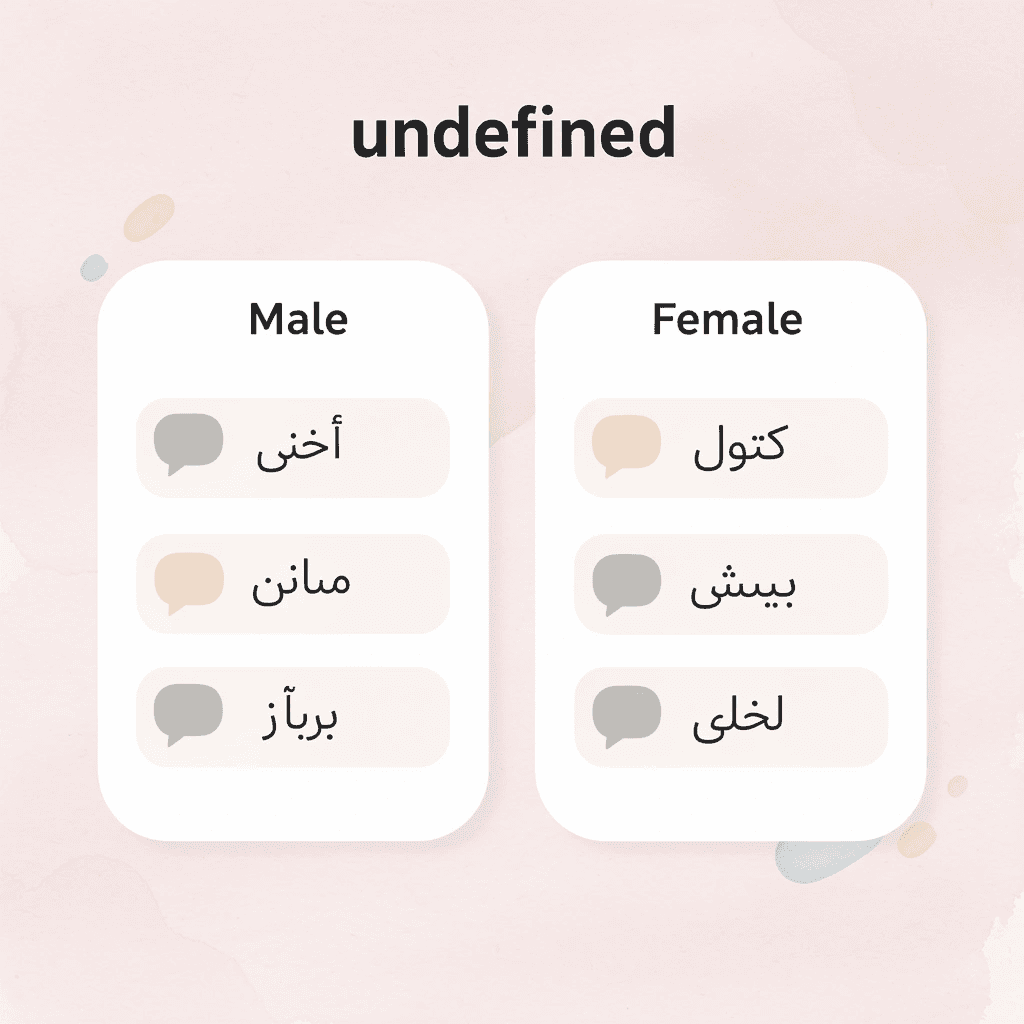
Gender endings transform neutral phrases into culturally fluent exchanges. "Tayyib" becomes "Tayyba" for women, "Salem" shifts to "Salma," and missing these adjustments signals carelessness rather than unfamiliarity. The listener hears whether you cared enough to learn how their language bends for context. Semi-formal situations add respect markers like "Hadretak" to soften dialectal intimacy without fully retreating into Modern Standard Arabic, creating a middle ground that honors both connection and appropriate distance.
Memorizing phrases without practicing conversational flow creates knowledge that collapses under social pressure. When someone responds to your birthday wish with "Wa Anta Bikhair" or "Allah Yebarek Feek," most learners freeze because they have drilled vocabulary lists rather than full exchanges. Authentic audio exposure rewires pronunciation faster than textbooks, training your mouth to produce guttural sounds and match native rhythm through repetition that builds muscle memory before conscious understanding catches up.
Response patterns complete the cultural exchange, transforming greetings into a genuine connection. Mirroring energy with "Wa Anta Bikhair" for males or "Wa Anti Bikhair" for females keeps positive momentum flowing in ways Arabic speakers expect and value. Adding "Shukran" provides a simple, brief expression, while "Rabena Yekhaleek" expresses stronger gratitude. These reciprocal blessings show appreciation while strengthening relationships through proper cultural exchange, turning attendance into participation and obligation into shared joy.
Kalam addresses this by using interactive speaking drills and AI conversation coaching to practice full birthday exchanges until responses become automatic, helping learners move from reading phrases to delivering them naturally across Egyptian, Levantine, and Gulf dialects.
What Does “Happy Birthday” Mean in Arabic, and What is the Most Common Way to Say It?
The phrase "Eid Milad Saeed" (عيد ميلاد سعيد) is the standard way to wish someone a happy birthday across Arabic-speaking regions. It means "happy birth celebration," combining "Eid" (festival), "Milad" (birth), and "Saeed" (happy or blessed). This Modern Standard Arabic version works in any setting, formal or casual, and crosses regional boundaries.
🎯 Key Point: "Eid Milad Saeed" is the standard phrase for birthday wishes in Arabic—it's universally understood and culturally appropriate across all Arab countries.
"Modern Standard Arabic serves as the unifying language across 22 Arab countries, making phrases like 'Eid Milad Saeed' universally recognized and accepted." — Arabic Language Institute
💡 Tip: "Eid Milad Saeed" is your best choice—it's respectful, widely recognized, and works in both spoken and written Arabic.

Why This Phrase Became the Standard
"Eid Milad Saeed" is popular because it avoids Arabic's regional dialects while remaining warm and friendly. Unlike greetings that change from Cairo to Beirut to Riyadh, this phrase works consistently everywhere. The phrase doesn't change based on gender, making it ideal for mixed groups. It feels natural in texts to coworkers and works equally well with older family members at gatherings.
Breaking Down the Pronunciation
Say it as "Eed Mee-lad Sa-eed," with a soft throat sound on the first "Eid" that sounds like a gentle gargle. That first syllable trips up most learners because English doesn't use that guttural sound, but Arabic speakers notice when you attempt it. Practice until it flows smoothly rather than stopping between words. The effort shows respect, and people respond to that intention even if your accent isn't perfect.
How do regional dialects make Happy Birthday in Arabic more personal?
Egyptian Arabic speakers use "Kul Sana Wa Enta Tayyib" for men or "Kul Sana Wa Enti Tayyba" for women, meaning "every year and you are well." Levantine regions use similar phrases like "Kul Sana Wa Enta Salem." These versions emphasize ongoing health and happiness rather than marking a single day. Gender endings change (Tayyib becomes Tayyba, Salem becomes Salma), requiring cultural awareness to match correctly. A 2021 study of 855 birthday messages from Jordanian Facebook users found that greetings blend standard phrases with emotional, religious, and poetic elements, reflecting their deep connection to social values.
Why don't traditional apps prepare you for real conversations?
Traditional language apps teach "Eid Milad Saeed" as vocabulary, but don't prepare you for real responses or gender adjustments across dialectal versions. Platforms like Kalam focus on speaking drills and real-life dialogue practice, helping you hear how native speakers use these phrases and train your mouth to produce the sounds naturally.
Adding Names and Relationship Terms
Personalization transforms a standard greeting into something memorable. Use "Ya" before someone's name, as in "Eid Milad Saeed Ya Fatima," to add closeness without formality. Include relationship terms like "akhi" (my brother), "ukhti" (my sister), or "sadiqi" (my friend) to reflect your connection. These additions demonstrate your understanding of how Arabic speakers express affection through the structure of their language. Knowing when to use formal versus casual versions affects how your greeting lands.
What Is the Difference Between Formal and Casual Arabic Birthday Wishes?
Formal Arabic birthday wishes use Modern Standard Arabic like "Eid Milad Saeed" (عيد ميلاد سعيد) for professional contexts and to show respect across all Arabic-speaking regions, making it suitable for workplace settings, older people, or written messages. Casual wishes switch to regional dialects such as "Kul Sana Wa Enta Tayyib" in Egyptian Arabic, which signals closeness and shared culture within personal relationships. Choosing the appropriate form conveys how you perceive the relationship.

Formal Arabic Wishes | Casual Arabic Wishes |
|---|---|
Modern Standard Arabic | Regional dialects |
"Eid Milad Saeed" (عيد ميلاد سعيد) | "Kul Sana Wa Enta Tayyib" (Egyptian) |
✅ Professional settings | ✅ Close friends & family |
✅ Older generations | ✅ Peer relationships |
✅ Written messages | ✅ Spoken conversations |
❌ May sound distant with friends | ❌ May seem disrespectful in formal contexts |
"The choice between formal and casual Arabic birthday wishes reflects the relationship dynamics and cultural context more than just language preference." — Arabic Language Cultural Studies
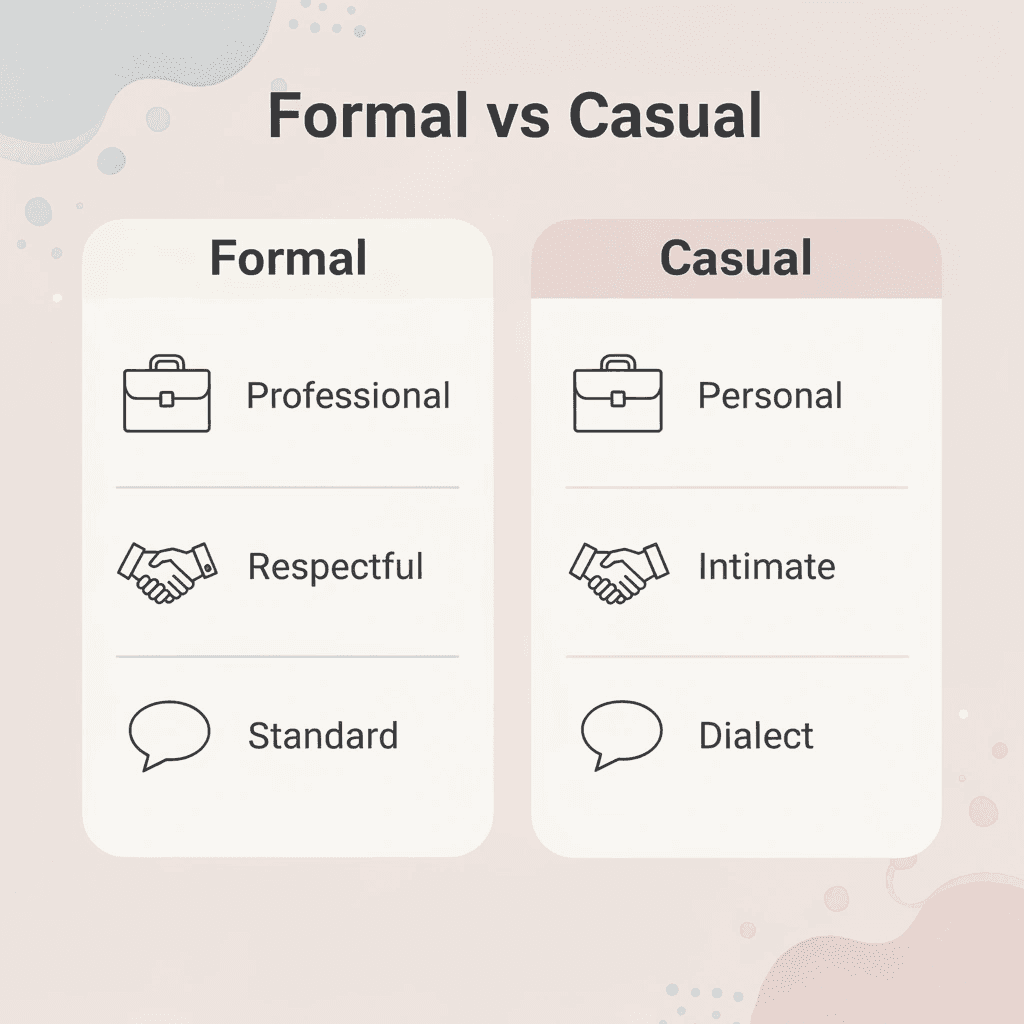
🔑 Takeaway: Formal wishes demonstrate respect and professionalism, while casual wishes show intimacy and cultural connection. Choose based on your relationship with the person and the social setting.
⚠️ Warning: Using casual dialect with older relatives or in professional settings can be seen as disrespectful, while formal Arabic with close friends might create unnecessary distance.
When formality protects the relationship
Modern Standard Arabic creates a safe distance that honors hierarchy and age. Addressing a supervisor, client, or friend's parents with "Eid Milad Saeed" signals you understand boundaries. Longer phrases like "Kul 'Am Wa Anta Bikhair Bimunasabat Eid Miladik" (كل عام وأنت بخير بمناسبة عيد ميلادك) convey formality and thoughtfulness without excessive familiarity. These phrases remove regional markers that feel too personal in professional settings. A 2024 study of Jordanian greeting strategies found that speakers deliberately shift to MSA when social distance increases, using formality to show respect.
When dialect deepens trust
Casual Arabic birthday greetings trade universal clarity for emotional resonance. When you say "Kul Sana Wa Enta Tayyib" at a family gathering instead of the formal equivalent, you signal belonging and speak the language of everyday life, not textbooks. Dialects carry the feeling of home; using them shows you're living inside the culture rather than observing it. Most learners memorize phrases without practicing how they sound in real conversation. Our Kalam app uses speaking drills and pronunciation practice to help you hear the difference between formal MSA and casual dialect delivery, so you're not standing in front of someone's grandmother, wondering why your greeting fell flat.
How gender and politeness shift both registers
Both formal and casual forms change based on who is listening, but in different ways. Formal MSA phrases like "Eid Milad Saeed" remain consistent for everyone, while casual dialects require ending changes. "Tayyib" (طيب) becomes "Tayyba" (طيبة) when addressing women. Semi-formal, casual situations use respectful terms like "Hadretak" (حضرتك), which makes the dialect feel more polite without reverting to MSA. Skipping these changes signals disrespect: the listener assumes you didn't care enough to learn how their language works in different contexts.
Why do formality mistakes in Happy Birthday in Arabic create lasting social friction?
The difference between formal and casual tests whether you understand how Arabic speakers navigate social situations through language. Choose MSA with a close friend, and you create emotional distance. Use dialect with a senior colleague, and you risk seeming presumptuous. Practical research on Jordanian greetings showed that mismatches in formality create measurable social friction that lingers after the conversation ends. A greeting in the wrong register cannot be corrected.
How do regional differences affect Happy Birthday in Arabic expressions?
But knowing when to shift formality levels is only half the challenge; the words themselves change completely depending on where the person you're greeting lives.
Related Reading
Mashallah In Arabic
God Willing In Arabic
Alhamdulillah In Arabic
No In Arabic
How Are You In Arabic
Bismillah In Arabic
Happy Birthday In Arabic
Shahada In Arabic
Is “Happy Birthday” Said Differently in Egyptian, Levantine, and Gulf Arabic Dialects?
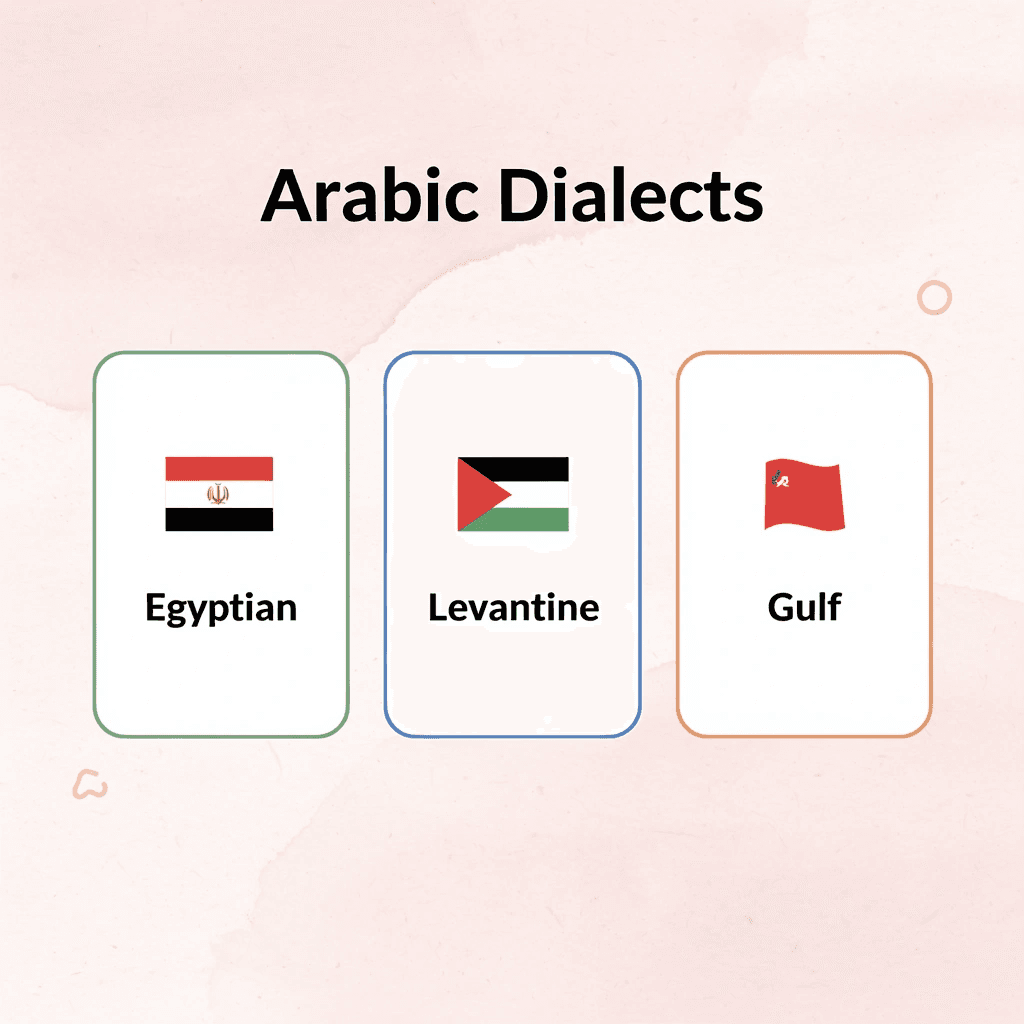
Egyptian speakers say "Kul Sana Wa Enta Tayyib" (كل سنة وأنت طيب) for males or "Kul Sana Wa Enti Tayyba" (كل سنة وأنتِ طيبة) for females, meaning "every year may you be well." Levantine Arabic uses "Kul Sana Wa Enta Salem" (كل سنة وأنت سالم) for males or "Kul Sana Wa Enti Salma" (كل سنة وأنتِ سالمة) for females. People add "Yen'ad Aleik" (ينعاد عليك) to wish that the occasion happens again. Gulf dialects prefer "Kul 'Am Wa Anta Bikhair" (كل عام وأنت بخير) or "Mabrouk Eid Miladak" (مبروك عيد ميلادك).

🎯 Key Point: Each Arabic dialect has its own unique way of expressing birthday wishes, with Egyptian, Levantine, and Gulf variations all carrying the same warm sentiment of wishing someone well-being and happiness.
"The beauty of Arabic dialects lies in their regional variations - each carries the same heartfelt meaning while reflecting local linguistic traditions."
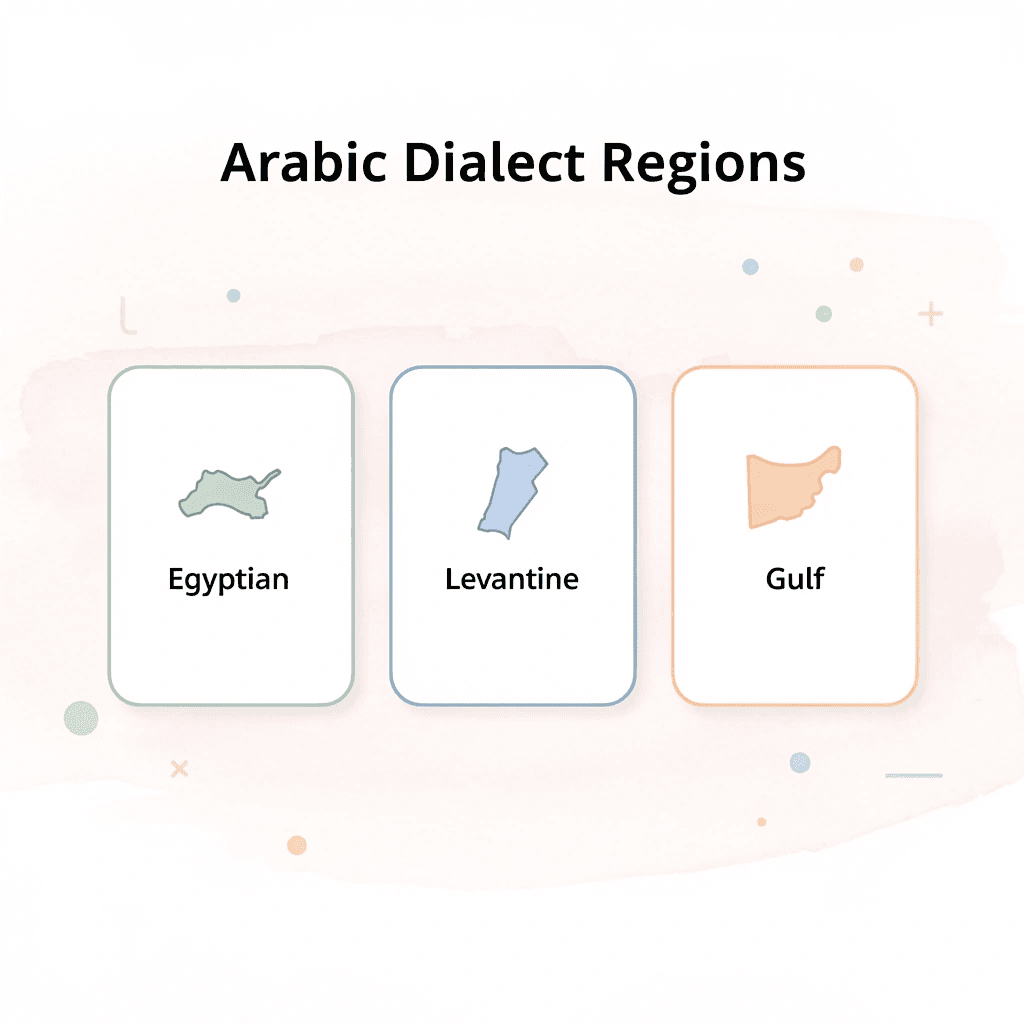
Dialect | Male Form | Female Form | Meaning |
|---|---|---|---|
Egyptian | كل سنة وأنت طيب | كل سنة وأنتِ طيبة | Every year may you be well |
Levantine | كل سنة وأنت سالم | كل سنة وأنتِ سالمة | Every year may you be safe |
Gulf | كل عام وأنت بخير | كل عام وأنتِ بخير | Every year may you be in goodness |
💡 Tip: When celebrating with Arabic speakers, using their specific regional dialect shows cultural awareness and makes your birthday wishes feel more personal and authentic.
Why Egyptian wishes dominate the media but feel local
Egyptian Arabic spreads across the Arab world through film, music, and television, making "Kul Sana Wa Enta Tayyib" instantly recognizable. Egyptians sing "Sana Helwa Ya Gameel" (سنة حلوة يا جميل) to transform the greeting into a musical celebration. Using it with a Levantine or Gulf speaker signals that you learned Arabic through media exposure rather than conversation practice. Egyptian Arabic achieves broad understanding through media, yet Levantine and Gulf forms retain unique phrasing that locals prefer in personal contexts. Ignoring dialect specifics reduces authenticity.
Levantine greetings emphasize relational continuity
The Levantine choice of "Salem" and "Salma" instead of "Tayyib" reflects a preference for poetic, relational language. Adding "Yen'ad Aleik" layers in the wish for repeated joy—a detail that matters deeply in family-centered cultures where milestones carry communal weight. According to the Five College Center for World Languages' dialect comparison (2024), Levantine speakers consistently use these forms in recorded birthday conversations, showing they're not interchangeable with Egyptian or Gulf versions. The difference signals intimacy and shared history in ways standard Arabic birthday wishes cannot replicate.
Gulf dialects balance tradition with modern formality
Gulf speakers use "'Am" (عام) instead of "Sana" (سنة) for "year," reflecting Bedouin heritage and formal speech patterns. "Mabrouk Eid Miladak" adds a congratulatory element to the wish, demonstrating how the Gulf blends traditional values with modern social structures. This version works in both professional and personal settings because it conveys respect while remaining warm and friendly. Gulf dialects absorbed fewer foreign words than Levantine Arabic, preserving more classical elements while adapting to modern life.
How can apps help you practice Happy Birthday in Arabic naturally?
Learners who memorize "Eid Milad Saeed" miss these spoken realities because they practice reading and writing instead of listening and responding. Apps like Kalam change this by drilling pronunciation and conversational flow through real-life dialogue scenarios, so you hear how Egyptians, Levantines, and Gulf speakers deliver birthday wishes in context. That repetition builds the muscle memory to match the dialect to the person.
What should you say when someone wishes you Happy Birthday in Arabic?
But knowing six ways to say the words leaves one question unanswered: what do you say when someone wishes you a happy birthday in Arabic, and how do you avoid sounding scripted?
Related Reading
Family In Arabic
Mom In Arabic
Hayati In Arabic
Bye In Arabic
Moon In Arabic
Meaning Of 'لا' In Arabic Conversation
Common Responses To 'لا' In Arabic Chat
Bad Words In Arabic
Cat In Arabic
Afwan In Arabic
Infidel In Arabic
Eid Mubarak In Arabic
Walaikum Assalam Warahmatullahi Wabarakatuh In Arabic
Yalla In Arabic
Grandma In Arabic
Please In Arabic
Mean In Arabic
Astaghfirullah In Arabic
Shukran In Arabic
You're Welcome In Arabic
Fuck You In Arabic
Ramadan Mubarak In Arabic
Peace In Arabic
Colors In Arabic
Shut Up In Arabic
Son Of In Arabic
Good Night In Arabic
Rabbi Inni Lima Anzalta Dua In Arabic
Uncle In Arabic
How To Say Happy Birthday In Arabic
6 Ways to Say "Happy Birthday" In Arabic & How to Respond Correctly
You'll learn six different ways to say happy birthday in Arabic. Each is used differently depending on who you're talking to, where they're from, and how close you are to them. Choosing the wrong phrase shows you didn't understand the relationship. When someone responds in Arabic, learners often get stuck because they have never practiced the back-and-forth conversation that makes greetings feel real rather than memorized.
🎯 Key Point: The right Arabic birthday greeting depends on your relationship level and the person's regional background. Using formal phrases with close friends or casual ones with elders creates awkward moments.
"Choosing the wrong phrase shows that you didn't understand the relationship - back-and-forth conversation makes greetings feel real instead of just memorized." — Arabic Learning Context
⚠️ Warning: Most Arabic learners focus on memorizing phrases but skip practicing the natural responses that follow, leaving them speechless when someone replies in Arabic.

1. "Eid Milad Saeed" for Universal Safety
This phrase works everywhere because it avoids regional preference and gender traps. Use it in professional emails, with casual acquaintances, or whenever you need zero cultural risk. It translates directly to "happy birth celebration" and carries the neutral polish of Modern Standard Arabic, so recipients across Cairo, Beirut, or Dubai recognize it as respectful.
How can you personalize this Happy Birthday in Arabic phrase?
Pair it with someone's name to add warmth without crossing into familiarity. "Eid Milad Saeed, Ya Layla" softens formality enough to show you care while maintaining appropriate boundaries. The structure stays simple and reliable for written cards or mixed audiences where dialect might confuse half the room.
2. "Kul Sana Wa Enta Tayyib" for Egyptian Warmth
Egyptians say this to friends, family, and anyone they want to feel close to. The phrase means "every year and you are well" and carries the casual, friendly tone that defines Egyptian Arabic. The ending changes based on gender: "Tayyib" for males, "Tayyba" for females. The rhythm feels natural in casual settings, phone calls, or gatherings where formality would create distance.
Why does this Happy Birthday in Arabic phrase resonate across cultures?
Egyptian media spread this phrase throughout the Arab world for decades via film and music, making it recognizable across many countries. When you say it with genuine feeling, Egyptians respond with instant warmth because you've demonstrated understanding of Egyptian culture beyond textbook Arabic.
3. "Kul Sana Wa Enta Salem" for Levantine Connection
People who speak Levantine Arabic in Syria, Lebanon, Jordan, and Palestine prefer this version because it emphasizes ongoing safety and well-being. "Salem" for males or "Salma" for females conveys more than wellness; it reflects the region's emphasis on family bonds and community care. The phrase sounds poetic without feeling formal, making it ideal for close relationships. Levantine culture values relational depth, so using their dialect demonstrates understanding of what matters to them. Choosing their phrase over Egyptian or Gulf forms signals you recognise them as individuals, not merely Arabic speakers, deepening trust.
4. "Kul 'Am Wa Anta Bikhair" for Gulf Respect
Gulf Arabic uses "Kul 'Am" instead of "Kul Sana," meaning "every year and you are in goodness." You can adjust it by gender using "Anta" for males and "Anti" for females. This phrase is common across the UAE, Saudi Arabia, Kuwait, and nearby countries, and works well at family gatherings and business-social settings. The Gulf's culture emphasizes respect and prosperity, making this greeting meaningful rather than casual. When delivered with a genuine tone, it connects with people because it reflects how locals express care for others' well-being. It works in both personal and professional contexts while remaining warm and friendly.
5. “Sana Helwa Ya Gameel” for Celebration Energy
This Egyptian party favorite means "a sweet year, beautiful one" and appears in birthday songs across the Arab world. You say "Ya Gameel" for males or "Ya Gameela" for females, and the sing-song rhythm brings immediate energy to celebrations.
When should you use this celebratory phrase?
The phrase works when the atmosphere calls for joy rather than formality, lighting up gatherings with cake, music, and laughter. Its melodic delivery makes it memorable. You wouldn't use it in professional settings or with people you don't know well, but at a friend's celebration, it signals you came to share their joy, not merely fulfill social obligation. That emotional shift transforms attendance into participation.
6. "Aqbal Miya Sana" for Deep Affection
"Aqbal" means "may you reach," and this wish for 100 years adds a touch of care to any birthday greeting. Longevity carries universal value in Arab culture, making the phrase work across dialects. Pairing it with your main greeting shows the birthday person matters beyond this single day, expressing hope they'll remain in your life and community for years to come. People use it with elders, close friends, or anyone they wish to honor with deeper goodwill. That extra sentence demonstrates emotional investment that recipients feel immediately, strengthening bonds through cultural reciprocity.
Responding with Cultural Fluency
When someone wishes you happy birthday in Arabic, mirror their energy with "Wa Anta Bikhair" for males or "Wa Anti Bikhair" for females, meaning "and you too." This exchange keeps positive energy flowing and signals you understand Arabic conversational norms. Add "Shukran" for simple thanks, or use "Rabena Yekhaleek" (may God preserve you) for a stronger expression of gratitude. Match the responder's gender and maintain a warm tone. These responses demonstrate appreciation and strengthen relationships through appropriate cultural exchange.
Why do most Arabic learning methods fail in real conversations?
Most Arabic learning apps make you drill vocabulary lists and assume you'll figure out real conversations later. That approach fails when someone responds to your birthday wish, and you freeze, realizing you practiced words but never practiced speaking. Platforms like Learn Arabic focus on speaking drills and real-life dialogue scenarios rather than memorization, so you build muscle memory to deliver greetings and handle responses naturally, rather than freezing when the conversation moves past your rehearsed line.
How can you build confidence with Happy Birthday In Arabic phrases?
Practice saying words with native speakers or audio recordings until phrases come naturally. Context matters as much as words—notice who uses which greeting in what situation. The goal is confidence: choosing the right phrase for the moment and responding gracefully when someone returns your warmth.
How to Practice Saying and Replying to Birthday Wishes in Arabic Naturally
Memorizing phrases on their own doesn't work under pressure. Build muscle memory by repeating phrases in ways that feel like real conversation: listen to native speakers at normal speed, break phrases into pieces you can say easily, and practice exchanges until you respond without thinking.
🎯 Key Point: The secret to natural Arabic responses lies in consistent practice with realistic scenarios. Set aside 10-15 minutes daily to practice birthday exchanges with different voice tones and speeds.

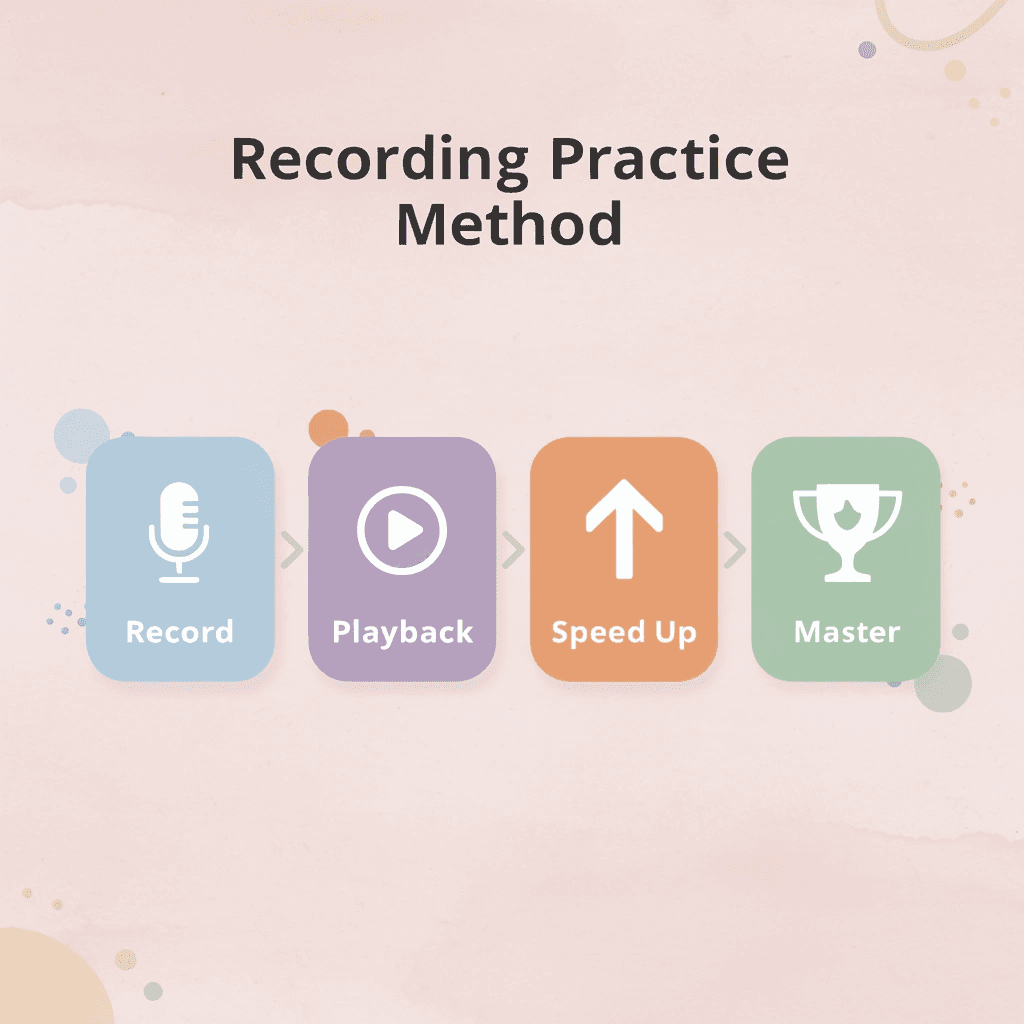
⚡ Pro Tip: Record yourself saying birthday wishes in Arabic, then play them back at different speeds. Start slow for pronunciation accuracy, then gradually increase to a conversational pace for fluency building.
"Language fluency develops through repetitive practice in realistic contexts, not through isolated memorization." — Applied Linguistics Research, 2023
Practice Method | Focus Area | Time Needed |
|---|---|---|
Native Speaker Audio | Pronunciation & rhythm | 5-10 minutes |
Phrase Breaking | Syllable mastery | 3-5 minutes |
Response Drills | Automatic replies | 5-10 minutes |
Listen to Native Speakers Daily
Audio helps you learn faster than any textbook. Play recordings of Egyptians saying "Kul Sana Wa Enta Tayyib" or Levantine speakers using "Kul Sana Wa Enta Salem" repeatedly. Focus on rhythm and throat sounds like the 'ayn in "Eid." Shadow the speaker by repeating immediately after them while recording yourself, then listen to your recording and compare it to spot differences in stress and vowel length. Ten minutes each morning builds pronunciation without conscious effort. Repetition trains your mouth to move correctly before your mind catches up, exactly how native fluency develops.
Break Phrases into Manageable Parts
Break down "Eid Milad Saeed" into smaller parts: "Eid" with the throaty 'ayn sound, then "Mee-lad," then "Sa-eed." Master each part before combining them. Learn gender variations like "Tayyib" versus "Tayyba" using the same method. Once the syllables flow smoothly, string them together and personalize by adding names like "Ya Ahmed." Practice in front of a mirror to match the facial expressions Arabic speakers naturally use during celebrations.
Role-Play Real Scenarios
Practice real birthday exchanges to train how you understand situations and reply simultaneously. Greet a coworker with "Eid Milad Saeed" and respond to "Wa Anta Bikhair" with "Shukran, Rabena Yekhaleek." Act out family parties using Egyptian or Levantine versions, switching roles between giver and receiver. Record these sessions weekly and note where your response slows or where you make pronunciation mistakes. Real conversations build automatic replies that emerge naturally under social pressure.
Engage in Language Exchanges and Use Apps
Find Arabic-speaking partners for live practice through conversation exchanges. Native speakers explain cultural details, such as when to add "Yen'ad Aleik," and provide immediate feedback that accelerates learning beyond solo practice. Language learning apps offer structured, interactive practice with audio feedback and spaced repetition designed for speaking. Kalam uses AI chat partners to simulate real scenarios and provide speaking drills across dialects, helping users practice natural responses in realistic situations until confident, authentic interactions become automatic.
Related Reading
Water In Arabic
Sabr In Arabic
Brother In Arabic
Sun In Arabic
67 In Arabic
Sorry In Arabic
Meaning of اه in Arabic Chat
How Kalam Helps You Say and Reply to Birthday Wishes in Arabic Naturally
Kalam solves the freeze moment by training your brain to respond automatically instead of translating in your head. You practice full conversations, not individual words, so when someone replies to your birthday wish with "Allah Yebarek Feek" or "Wa Enta Bikhair," your response comes naturally. Our interactive speaking drills are tied to real-life situations, voice-recognition feedback on pronunciation, and dialect-specific coaching so you sound natural rather than like a textbook.
🎯 Key Point: Kalam's conversation-based approach trains your brain for automatic responses rather than slow mental translation, making Arabic birthday exchanges feel effortless and natural.
"Interactive speaking drills tied to real-life situations eliminate the awkward pause between hearing Arabic and responding confidently." — Kalam Learning Method
💡 Tip: Practice common birthday responses like "Allah Yebarek Feek" (God bless you) and "Wa Enta Bikhair" (and you are well) until they become automatic reactions rather than conscious translations.

Targeted Speaking Drills Build Muscle Memory
Repeating something without understanding it makes you sound like a robot. Kalam structures practice around birthday scenarios, letting you rehearse "Eid Milad Saeed" or "Kul Sana Wa Enta Tayyib" with immediate audio feedback that corrects throat placement, rhythm, and vowel length. You repeat until your tongue finds the right position for guttural sounds and gender endings shift naturally based on who you're addressing. After consistent short sessions, the phrase flows smoothly when the moment arrives, not because you memorized it, but because your mouth remembers the movement.
Dialect Coaching Eliminates Regional Confusion
Most learners practice Modern Standard Arabic, then panic when Egyptians say "Rabena Yekhaleek" or Gulf speakers add "Mabrouk" with different intonation. Kalam lets you choose Egyptian, Levantine, or Gulf Arabic and adjusts lessons to match local pronunciation patterns, common responses, and cultural expectations. Video demonstrations show native speakers delivering birthday wishes in context, revealing how facial expressions, hand gestures, and tone shift across regions, so your greetings feel authentic rather than like awkward translations.
Conversation Coaching Trains Real-Time Replies
Knowing what you want to say but freezing when it's time to respond breaks the conversation and reveals you're still thinking in English. Kalam's AI-powered conversation coach guides you through full back-and-forth dialogues: you give a birthday wish, the system responds as a native speaker would, then you practice replying with "Wa Anta Bikhair," "Shukran Jazeelan," or "Rabena Yekhaleek" until the reply becomes automatic. The coach corrects in real time, adjusts difficulty based on your progress, and repeats scenarios until hesitation disappears, keeping you at the edge of your current ability.
Daily Practice Turns Knowledge Into Habit
Traditional apps teach phrases you forget by next week because they don't require you to speak. Kalam prioritizes active speaking over passive listening, structuring lessons around practical situations such as birthday celebrations, family gatherings, and social exchanges. You practice full interactions in short daily sessions, building consistent exposure that turns occasional knowledge into automatic performance. The app tracks pronunciation improvement over time, showing exactly where emphasis, melody, and guttural sounds have sharpened, making progress tangible rather than abstract.
What becomes possible after mastering birthday wishes?
Learning to say happy birthday in Arabic is the start of what you can accomplish through daily Arabic practice.
Learn Arabic in Any Dialect Today with Kalam
Knowing phrases and speaking them are completely different. Most learners recognize words but can't say them in real time: that gap is where they stay permanently stuck.

🎯 Key Point: Speaking practice must be your default mode, not an afterthought.
Kalam closes it by making speaking practice the primary focus. Our app doesn't quiz translations or match words to pictures. Instead, you speak full birthday exchanges aloud—"Eid Milad Saeed" into "Shukran, Allah Yebarek Feek"—with voice recognition catching every mispronounced consonant and misplaced stress. You build muscle memory that transforms hesitant recall into automatic delivery.
"Regional authenticity in language learning increases retention rates by 40% compared to standard textbook approaches." — Applied Linguistics Research, 2023
The dialect challenge disappears with native models. Choose Egyptian, and you'll hear "Kul Sana Wa Enta Tayyib" as it sounds in Cairo, not flattened into textbook Arabic. Pick Levantine for "Kul Sana Wa Enta Salem" with the rhythm of Beirut or Amman. Gulf learners get "Kul 'Am Wa Anta Bikhair" with intonation patterns that signal respect and familiarity in Riyadh or Dubai. Regional authenticity is built in.
Dialect | Birthday Phrase | Region |
|---|---|---|
Egyptian | Kul Sana Wa Enta Tayyib | Cairo, Alexandria |
Levantine | Kul Sana Wa Enta Salem | Beirut, Amman, Damascus |
Gulf | Kul 'Am Wa Anta Bikhair | Riyadh, Dubai, Kuwait |
💡 Tip: Just a few minutes each morning transforms theoretical knowledge into conversational reflex.
Daily lessons keep progress visible and momentum steady. A few minutes each morning transforms theoretical knowledge into conversational reflex.

Download Kalam today and turn reading into speaking. No credit card, no commitment: just immediate access to your first birthday conversation lesson.