7 Ways to Ask “How Are You” in Arabic and Reply Correctly
You walk into a café in Amman or Cairo, and someone greets you warmly. Do you freeze, unsure how to respond? Mastering "how are you?" in Arabic opens doors to meaningful conversations and shows respect for local culture. Understanding the different ways to ask and answer this fundamental question helps you navigate everyday interactions with confidence.
Beyond memorizing words, successful communication requires knowing when and how to use each greeting. The tone, timing, and cultural context behind these expressions matter as much as the phrases themselves. Ready to transform basic greetings into natural conversation skills and learn Arabic through structured, practical lessons?
Table of Contents
What Is the Difference Between Formal and Informal Arabic Greetings?
Is “How Are You” Said Differently in Egyptian, Levantine, and Gulf Arabic Dialects?
How to Practice Saying and Responding to Arabic Greetings Like "How Are You" Naturally
How Kalam Helps You Say and Respond to Greetings Like "How Are You" Naturally
Summary
Asking "how are you?" in Arabic goes beyond mere politeness and serves as a genuine inquiry into someone's well-being, family, and life circumstances. The question signals respect and willingness to connect beyond surface-level interactions, transforming what feels like throwaway small talk in English into a meaningful exchange that builds trust and rapport. Rushing through this moment or treating it as a formality signals disinterest and weakens relationships before they even begin.
A 2018 study on Jordanian Arabic found that over 60% of greeting interactions included multiple-layered questions, confirming how central these inquiries are to Levantine social etiquette and relationship-building. The melodic phrasing encourages deeper conversation about family, work, or daily life rather than quick acknowledgments, turning simple greetings into foundations for real connection.
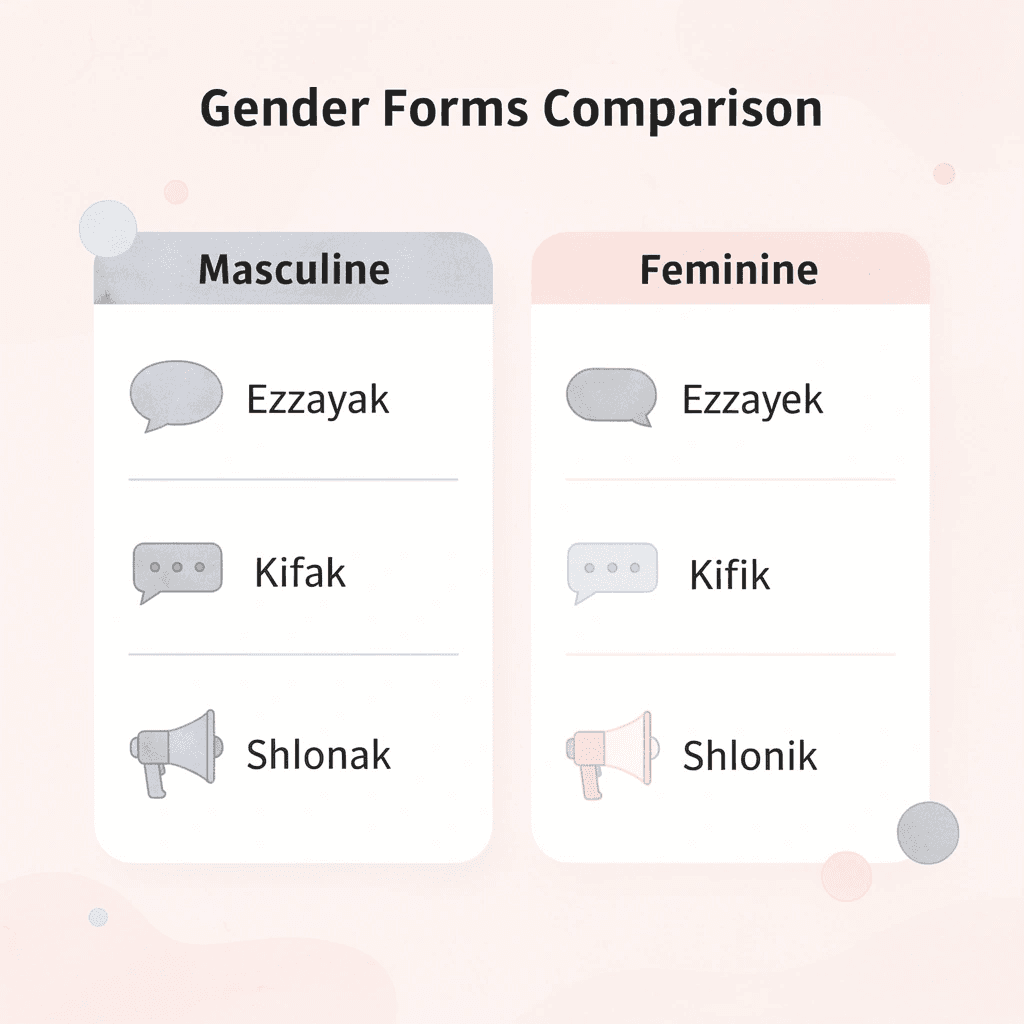
Each major Arabic dialect developed its own version of "how are you?" shaped by centuries of separate evolution, geography, trade routes, and cultural influences. Egyptian speakers ask "Ezzayak?", Levantine speakers say "Kifak?", and Gulf speakers use "Shlonak?", making Arabic function as a collection of related languages rather than one uniform system. Learning the local form when interacting with people transforms simple greetings into powerful signals of cultural awareness and respect.
The grateful phrase "Alhamdulillah" (Praise be to God) appears in nearly every response, regardless of region or formality level. This isn't optional politeness but a cultural cornerstone that acknowledges blessings and maintains spiritual grounding in everyday interactions. Even when facing challenges, people lead with gratitude before sharing difficulties, reflecting cultural values of resilience and faith that keep interactions uplifting rather than burdened.
Most learners memorize phrases without practicing the speaking patterns that make them sound natural, creating a gap between knowing words and using them confidently when someone is waiting for your answer. Shadowing native speakers, role-playing real-life scenarios, and recording yourself for comparison build the muscle memory and reflexes that turn awkward syllables into automatic movements.
Kalam addresses this by simulating real conversations through interactive speaking drills and AI tutors that respond to your pronunciation in context, helping you practice full greeting exchanges with instant feedback rather than just recognizing words when you see them written.
What Does Saying "How Are You" Mean in Arabic Culture?
In Arabic culture, asking "How are you?" is a genuine question about someone's wellbeing, family, and life—not mere pleasantry. The question conveys respect, warmth, and a desire to connect on a deeper level, transforming what might be small talk in English into a meaningful conversation that builds trust and understanding between people.
🎯 Key Point: Unlike Western cultures, where "How are you?" is often rhetorical, Arabic speakers expect a genuine response that may include details about family, health, and recent events.

"In Arabic culture, asking about someone's well-being is a fundamental expression of respect and community connection that goes far beyond casual greeting." — Cultural Communication Studies
💡 Tip: When someone asks, "Kayf halak?" (How are you?), take time to give a thoughtful response rather than a quick "I'm fine" to show you understand the cultural significance of the question.
It Goes Beyond Surface Politeness
When someone asks "Kayfa haluk?" (to a man) or "Kayfa haluki?" (to a woman), they're asking how you're doing—your health, family, work, recent events, anything affecting your life. A quick "Fine, thanks" feels empty because the question carries weight. You're expected to stop, recognise the care behind the words, and respond genuinely. Rushing through this moment or treating it as obligatory signals indifference, which damages the relationship before it begins.
Responses Reflect Gratitude, Not Complaints
The standard reply, "Alhamdulillah" (Praise be to God), expresses thankfulness regardless of circumstances. Even during hardship, people begin with gratitude before sharing problems, and only if the relationship permits such honesty. This approach reflects cultural values of strength and faith, keeping conversations uplifting rather than burdensome. It anchors the conversation to something larger than the immediate struggle, allowing space for both honesty and hope.
The Exchange Demands Reciprocity
After answering, you're expected to ask back. "Alhamdulillah, and you?" keeps the exchange balanced and shows you care about the other person. This back-and-forth transforms a greeting into a two-way interaction where both people feel noticed. In professional settings, this reciprocity builds rapport quickly; in personal relationships, it deepens trust. Learning the words is one thing. Knowing when to pause, how to respond with warmth, and why the exchange matters requires practice beyond memorization. Kalam builds conversational confidence through speaking drills and real-world dialogue scenarios, helping you internalize the rhythm and tone that make interactions feel natural.
It Strengthens Every Relationship
Skipping this exchange or treating it like a checkbox weakens trust in both professional and personal contexts. Arabs use these greetings to confirm relationships with colleagues, neighbors, new acquaintances, and regular contacts. The question becomes an opportunity to show you value the person, not the transaction or meeting. Knowing what to say is only half the equation; the other half depends on who you're speaking to and what the moment requires.
What Is the Difference Between Formal and Informal Arabic Greetings?
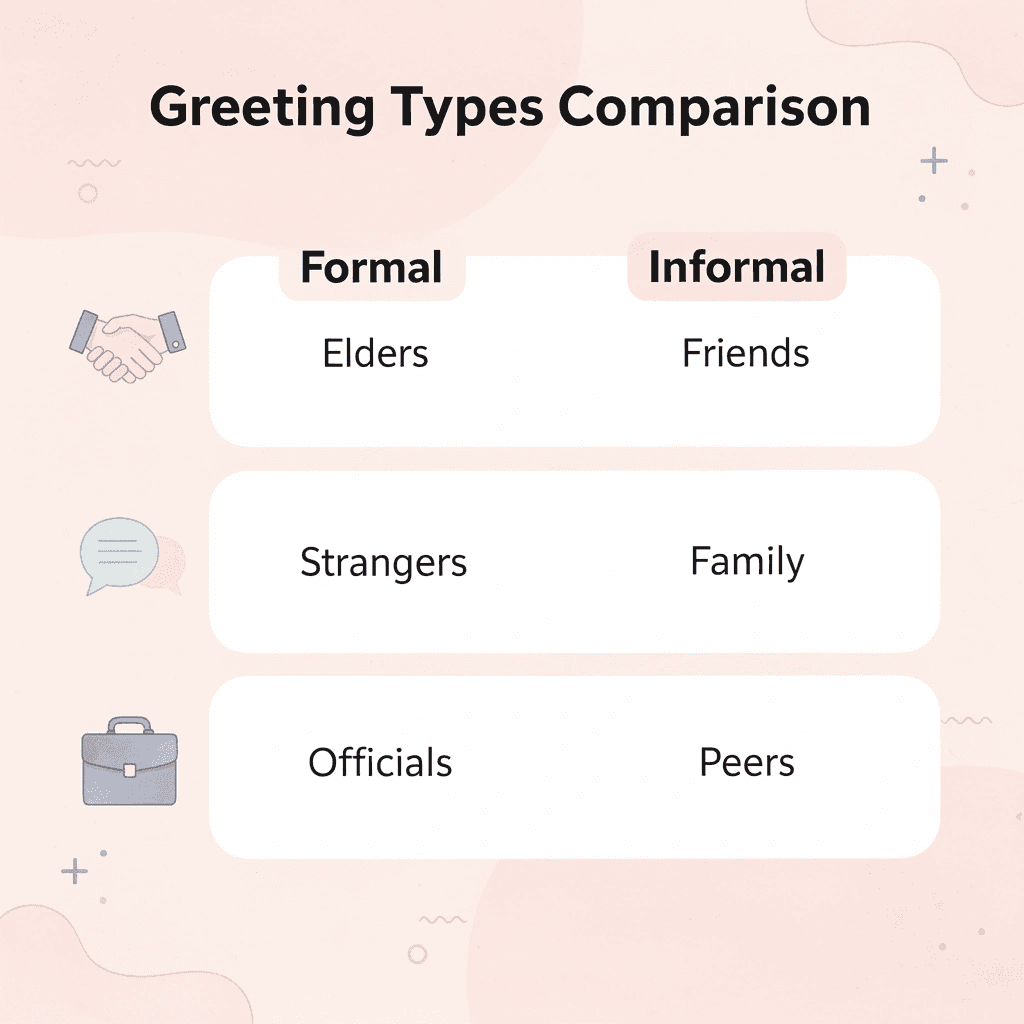
Formal Arabic greetings show respect and distance, while informal greetings create warmth and familiarity. Choosing between them requires reading power dynamics, relationship depth, and context to avoid awkward missteps.

Formal Greetings | Informal Greetings |
|---|---|
As-salāmu ʿalaykum (Peace be upon you) | Ahlan (Hello) |
Used with elders, strangers, and authority figures | Used with friends, family, peers |
Shows respect and proper etiquette | Creates connection and warmth |
Longer phrases with complete responses | Shorter, more casual expressions |
Required in business, religious, and formal settings | Perfect for daily interactions and social situations |
🎯 Key Point: Context is everything - using the wrong greeting level can signal disrespect or create unnecessary social distance.
"Understanding the formality spectrum in Arabic greetings is essential for building authentic relationships and showing cultural competence in Middle Eastern societies." — Arabic Language Institute, 2023
⚠️ Warning: Never use informal greetings with religious leaders, government officials, or when meeting someone's parents for the first time - this can cause serious offense.

Formal Greetings Establish Immediate Respect
As-salamu alaikum is a greeting that carries more weight than casual phrases. This greeting opens professional meetings, first encounters with elders, and interactions where hierarchy or unfamiliarity requires careful navigation. The phrase means "peace be upon you," but its function is to establish that you understand boundaries and value the person's position. When someone responds with wa alaikum as-salam, they confirm the terms of engagement: this conversation will follow the rules of mutual respect and measured exchange.
How do titles enhance formal Arabic greetings?
Titles matter too. Pairing the greeting with "doctor," "sheikh," or "ustaz" (professor) shows you've understood who stands in front of you. Skip the title in a formal setting, and the greeting loses its protective power.
Informal Greetings Build Quick Rapport
Marhaban or ahlan strip away ceremony and work among friends, peers, or anyone with whom you've established a sense of comfort. They're shorter, lighter, and invite immediate ease instead of structured politeness. When you greet a daily colleague with marhaban, you signal that the relationship needs no constant reaffirmation through ritual. Dialect-specific shortcuts like keefak (Levantine) or akhbarik eeh (Egyptian) add personality and signal insider status: you're speaking their Arabic. The informality doesn't diminish respect; it redefines it as familiarity rather than formality.
Context Determines the Appropriate Level
Professional environments require formal language, especially when status differences exist. Casual speech with senior executives or government officials signals ignorance or disrespect. Formality maintains a clear social hierarchy while enabling productive exchange. Casual gatherings work better the opposite way. Overly formal greetings at a family dinner create unwanted distance. Switching correctly between modes isn't about memorizing rules: it's about noticing who holds power, who expects respect, and who wants connection.
How do nonverbal cues affect How are you? " in Arabic greetings?
A sociolinguistic study of greetings among Iraqi university students (published by GAS Publishers, 2026) found that 60% of student greetings combined spoken words with physical gestures such as nods, handshakes, or smiles. Formal patterns emerged consistently when status or hierarchy entered the interaction. Greetings rarely stand alone; nonverbal cues strengthen the message, and mismatched signals confuse rather than clarify.
Why do language learners struggle with contextual greeting choices?
Most language learners practice greetings by repeating phrases until they sound right. But sounding right differs from reading context fast enough to choose the right phrase. That gap is where conversations stop, and respect gets questioned. Tools like Kalam address this by embedding greetings in full dialogue scenarios, forcing learners to make context-based decisions under pressure rather than drilling isolated vocabulary. But even perfect formal and informal choices won't prepare you for what happens when the same phrase sounds completely different depending on location.
Related Reading
Mashallah In Arabic
God Willing In Arabic
Alhamdulillah In Arabic
No In Arabic
How Are You In Arabic
Bismillah In Arabic
Happy Birthday In Arabic
Shahada In Arabic
Is “How Are You” Said Differently in Egyptian, Levantine, and Gulf Arabic Dialects?
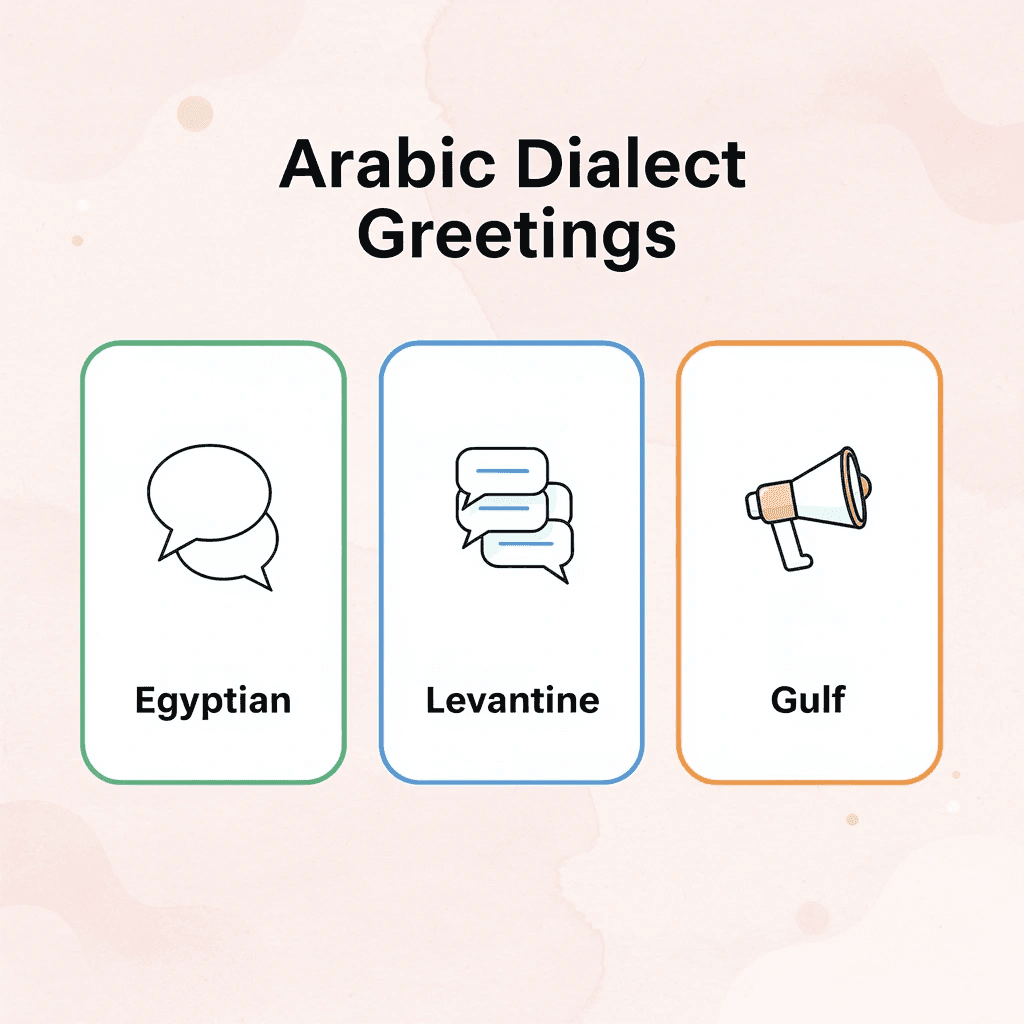
Each major Arabic dialect uses its own unique version of "How are you?" Egyptian speakers ask "Ezzayak?" or "Ezzayek?" (depending on gender), Levantine speakers say "Kifak?" or "Kifik?", and Gulf speakers use "Shlonak?" or "Shlonik?" These differences stem from hundreds of years of separate development shaped by geography, trade routes, and cultural influences, making Arabic function as a group of related languages rather than a single system.
🎯 Key Point: The gender-specific endings in each dialect follow consistent patterns - masculine forms typically end with "k" sounds while feminine forms often add "i" or "e" sounds, showing how grammatical gender remains essential across all Arabic varieties.
"Arabic dialects have diverged so significantly over centuries that they function more like related languages than regional accents, with mutual intelligibility often requiring active effort." — Arabic Linguistics Research, 2023

Dialect | Masculine Form | Feminine Form | Region |
|---|---|---|---|
Egyptian | Ezzayak? | Ezzayek? | Egypt, Sudan |
Levantine | Kifak? | Kifik? | Syria, Lebanon, Jordan, Palestine |
Gulf | Shlonak? | Shlonik? | UAE, Saudi Arabia, Kuwait, Qatar |
💡 Tip: When traveling across Arab countries, learning the local version of "How are you?" shows cultural awareness and helps you connect more authentically with native speakers, as each region takes pride in its distinctive linguistic heritage.
Egyptian Arabic Feels Direct and Energetic
Egyptians prefer "Ezzayak?" for men and "Ezzayek?" for women, often shortening it to "3amel eih?" ("What are you doing?" or "How's it going?"). These phrases reflect Cairo's fast-paced culture, where conversations move quickly, and warmth emerges through brevity. Responses like "Kwayyis, alhamdulillah" keep exchanges flowing without elaborate formalities, making Egyptian Arabic approachable to beginners.
Levantine Arabic Invites Longer Exchanges
In Syria, Lebanon, Jordan, and Palestine, people ask "Kifak?" to men or "Kifik?" to women, often followed by "Shu akhbarak?" meaning "What's your news?" This greeting encourages deeper conversation about family, work, or daily life rather than quick acknowledgments. A 2018 study on Jordanian Arabic found that over 60% of greeting interactions included multiple-layered questions, confirming the importance of these inquiries to Levantine social etiquette and relationship-building.
Gulf Arabic Reflects Bedouin Hospitality Roots
Gulf speakers across Saudi Arabia, the UAE, and Kuwait use "Shlonak?" for men or "Shlonik?" for women, a phrase that literally asks about one's "colour" or state of being. The expression carries a rhythmic quality rooted in Bedouin traditions of hospitality, where inquiring about someone's condition demonstrates genuine care and respect. Responses often include warm follow-ups about family or health.
A 2018 study of word distance showed that Gulf and Levantine Arabic are closest to Modern Standard Arabic, while Egyptian differs more in everyday vocabulary and rhythm. A survey of Saudi students revealed strong awareness of these greeting variations, confirming that locals actively notice and adapt to dialect differences.
Why do learners struggle with the regional variations of How Are You In Arabic?
Most learners memorize one greeting and expect it to work everywhere, then discover that locals respond with confusion or polite tolerance when they use the wrong regional form. Platforms like Kalam address this by embedding dialect-specific greetings in full dialogue scenarios. They let you practice Egyptian, Levantine, or Gulf variations through speaking drills that mirror real conversations, building instinct for choosing the right phrase based on your audience. Learning the local form transforms simple greetings into powerful signals of cultural awareness and respect.
Related Reading
Astaghfirullah In Arabic
Shukran In Arabic
Uncle In Arabic
Moon In Arabic
Mom In Arabic
Walaikum Assalam Warahmatullahi Wabarakatuh In Arabic
Common Responses To 'لا' In Arabic Chat
Hayati In Arabic
Please In Arabic
Eid Mubarak In Arabic
Mean In Arabic
How To Say Happy Birthday In Arabic
Meaning Of 'لا' In Arabic Conversation
Cat In Arabic
You're Welcome In Arabic
Fuck You In Arabic
Family In Arabic
Ramadan Mubarak In Arabic
Son Of In Arabic
Peace In Arabic
Colors In Arabic
Good Night In Arabic
Afwan In Arabic
Yalla In Arabic
Bye In Arabic
Shut Up In Arabic
Bad Words In Arabic
Grandma In Arabic
Rabbi Inni Lima Anzalta Dua In Arabic
Infidel In Arabic
7 Ways to Ask “How Are You” in Arabic and Reply Correctly
Arabic greetings vary by region and situation. "Kayfa haluka?" works well in a Dubai boardroom but sounds stiff in a Cairo café. Each region developed its own style based on local rhythm, hospitality traditions, and social expectations, so choosing the right phrase demonstrates cultural awareness before conversation begins.

The challenge is knowing when each phrase fits naturally, how to adjust for gender, and which responses keep the conversation flowing without sounding rehearsed. Many learners worry their greeting might not land right or trigger a reply they don't recognize, creating hesitation when first impressions matter most.
1. Kayfa Haluka? (كيف حالك؟) - Formal Standard Arabic
Use this phrase in professional settings, formal introductions, or first-time meetings. Say "Kayfa haluka?" when addressing a man or "Kayfa haluki?" for a woman. The phrase inquires about someone's overall condition, establishing appropriate distance while demonstrating genuine interest. Reply with "Ana bikhayr, alhamdulillah" (I am well, praise be to God) or "Bikhayr, shukran" (Well, thank you), then ask back using the same formality level. This reciprocal pattern maintains cultural appropriateness in business contexts where hierarchy and respect shape every interaction.
2. Ezzayak? (إزيك؟) - Egyptian Arabic
Say "Ezzayak?" to a man or "Ezzayek?" to a woman in markets, streets, or casual workplaces. The phrase is warm and direct, inviting connection without formality. Respond with "Kwayyis, alhamdulillah" (Good, praise be to God) or "Tamam" (Perfect). Egyptians typically follow up with questions about family or work, signaling genuine care and extending the exchange into relationship-building.
3. Kifak? (كيفك؟) - Levantine Arabic
Levantine speakers across Syria, Lebanon, Jordan, and Palestine use "Kifak?" for men and "Kifik?" for women. The phrase's musical quality encourages deeper sharing, with conversations quickly moving from greetings to questions about family, recent events, or shared concerns. Answer with "Mnih, alhamdulillah" (Good, praise be to God) and return the question with equal warmth. Levantine culture values close relationships; a rushed greeting feels incomplete. Warm eye contact and genuine exchange build trust that carries through the entire conversation.
4. Shlonak? (شلونك؟) - Gulf Arabic
Gulf countries such as Saudi Arabia, the UAE, and Kuwait use "Shlonak?" for men and "Shlonik?" for women. The phrase literally refers to one's "color" or condition, rooted in Bedouin traditions in which physical appearance indicated health and well-being. Gulf hospitality runs deep, with greetings often repeated multiple times to demonstrate sincerity. Reply "Zain, alhamdulillah" (Good, praise be to God) or "Bikhayr" while maintaining steady eye contact. Don't be surprised when the person asks again or extends the greeting—repetition signals genuine attention, not a quick acknowledgment before moving on to business.
5. Aamel Eih? (عامل إيه؟) - Casual Egyptian
This relaxed Egyptian phrase means roughly "What are you doing?" or "What's up?" and works among friends, familiar colleagues, or anyone past formal introductions. It invites detailed responses rather than polite exchanges. Answer "Kullu tamam, alhamdulillah" (Everything is fine, praise be to God) to keep positive energy flowing. Use this phrase when you have time for a genuine conversation and want to understand what's happening in someone's life.
6. Akhbarak Eh? (أخبارك إيه؟) - Egyptian News Check
"Akhbarak eh?" means "What's your news?" and shows deeper interest than casual greetings. Egyptians use this phrase when moving beyond pleasantries into real conversation, making it ideal for catching up with someone you haven't seen recently or when something significant has occurred. Respond with "Akhbarak kwayyis, alhamdulillah" (My news is good, praise be to God) or share brief updates if the context allows. The phrase invites storytelling rather than one-word answers, so be prepared to listen actively when you ask it. This transforms routine greetings into meaningful exchanges that strengthen relationships.
7. Labas? or Kidayer? (لاباس؟ / كيداير؟) - Maghrebi Arabic
Morocco and the North African regions use "Labas?" (Are you fine?) or "Kidayer?" as standard greetings. These phrases demonstrate how Maghrebi communication is direct and efficient, respecting everyone's time without seeming cold. Answer "Labas, alhamdulillah" (Fine, praise be to God) or "Bikhayr" with a friendly tone. Maghrebi greetings open the door to follow-up questions without lengthy exchanges, making them practical for busy markets, workplaces, or situations where genuine care must fit within time constraints.
How can you practice How are you? " in Arabic naturally?
Most Arabic learners memorize phrases without practicing the speaking patterns that make them sound natural. Reading "Kayfa haluka?" in a textbook differs from saying it with the rhythm, stress, and follow-through native speakers expect. Apps like Kalam address this gap through speaking drills that let you practice each regional variation with immediate pronunciation feedback, building conversational confidence rather than vocabulary knowledge alone.
Why does Alhamdulillah matter in Arabic responses?
The grateful phrase "Alhamdulillah" appears in nearly every response across regions and contexts. This cultural cornerstone recognizes blessings and maintains spiritual grounding in everyday interactions. Using it demonstrates cultural understanding that builds respect and opens relational doors.
How to Practice Saying and Responding to Arabic Greetings Like "How Are You" Naturally
Memorizing Arabic greetings isn't enough. You need to practice speaking repeatedly in ways that feel like real conversations, which helps you respond naturally without translating in your head first.
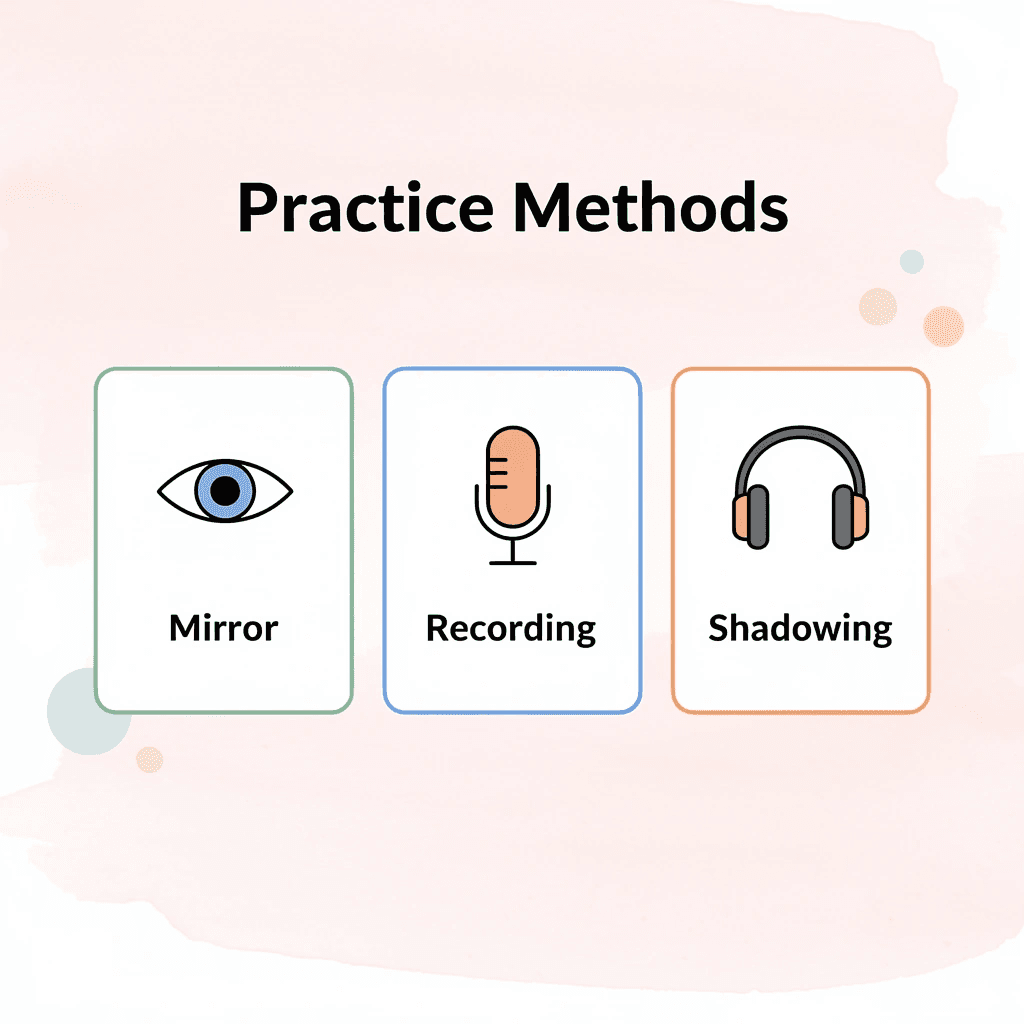
Start with mirror practice to build muscle memory for pronunciation. Stand in front of a mirror and practice saying "Kayf halak?" (How are you?) and common responses like "Ana bekhair, shukran" (I'm fine, thank you). The visual feedback helps you observe mouth movements and facial expressions that native speakers use.

"Language learners who practice speaking aloud for just 15 minutes daily show 40% faster improvement in conversational fluency compared to those who only study silently." — Applied Linguistics Research, 2023
💡 Pro Tip: Record yourself having mock conversations using your phone's voice recorder. Play both roles - ask "Kayf halak?" in one voice, then respond as a different person. This dual-role practice trains your brain to switch between asking and answering automatically.
Practice Method | Duration | Focus Area |
|---|---|---|
Mirror Practice | 5-10 minutes | Pronunciation & mouth movements |
Recording Sessions | 10-15 minutes | Conversation flow & timing |
Shadowing Audio | 15-20 minutes | Natural rhythm & intonation |
Role-play Scenarios | 20-30 minutes | Real-world application |
⚠️ Common Mistake: Don't practice greetings in isolation. Always practice the complete exchange - greeting, response, and follow-up questions like "Wa inta?" (And you?). This builds the conversational flow that makes interactions feel natural rather than robotic.
Listen to Native Conversations Daily
Spend 10 minutes each morning listening to Arabic podcasts, YouTube dialogues, or short audio clips of people greeting each other naturally. Pay attention to the rhythm, not just the words. Notice how "Kayfa haluk?" sounds when spoken quickly versus formally, or how "Alhamdulillah" flows as a natural response rather than a practiced line. Your ear learns to distinguish between casual and formal speech before your mouth does. This daily exposure trains your brain to recognize patterns automatically, so when you hear a greeting in real life, your response comes from recognition rather than recall.
Shadow Native Speakers Out Loud
Pick one greeting exchange and repeat it immediately after a native speaker, matching their speed and tone. Stand in front of a mirror and watch how your mouth shapes the sounds. This shadowing technique builds muscle memory for pronunciation and intonation, turning awkward syllables into automatic movements. Practice full exchanges like "Ezzayak?" followed by "Kwayyis, alhamdulillah, inta?" until the sequence feels like one smooth motion.
How can you practice How Are You In Arabic through role-play scenarios?
Act out specific situations alone or with a partner: greeting a colleague at work, meeting a neighbor in the hallway, ordering at a café. Switch roles each time so you practice both asking and responding under simulated pressure. This reveals where you'd struggle in real conversation and gives you chances to smooth out those rough spots. Over weeks, greetings stop feeling like performance and become reflex.
Why do traditional practice methods fall short for conversational fluency?
Most learners practice greetings by reading flashcards or repeating phrases on their own, which builds vocabulary but not conversational fluency. When the moment arrives to speak, pressure to respond quickly reveals the gap between knowing a phrase and using it naturally. Apps like Kalam address this by simulating real conversations through interactive speaking drills and AI tutors that respond to your pronunciation in context, building the reflex to speak without hesitation.
Record Yourself and Compare
Record a 30-second greeting exchange on your phone, then play it back next to native audio. Listen for speed, stress on syllables, and clarity. Self-recording reveals blind spots you can't hear while speaking, such as rushing through "Alhamdulillah" or dropping the final consonant in "haluk." Track your progress weekly by comparing recordings. This feedback loop accelerates natural delivery faster than guessing whether you sound right. The question isn't whether you know the words, but whether you can say them when someone's standing in front of you waiting for an answer.
How Kalam Helps You Say and Respond to Greetings Like "How Are You" Naturally
Speaking Arabic naturally takes practice, quick thinking, and correcting pronunciation mistakes. Kalam builds this skill through interactive speaking exercises, realistic conversations with AI, and instant feedback that transforms uncertain answers into confident ones.
🎯 Key Point: Kalam's AI technology analyzes your pronunciation in real-time, providing immediate corrections that help you adjust your Arabic greetings and responses on the spot. This means you can practice saying "Kayf halak?" (How are you?) and receive instant guidance on proper pronunciation and natural intonation.

"Interactive AI conversations provide learners with 24/7 practice opportunities, allowing them to build confidence in real-world scenarios without the pressure of face-to-face interactions." — Language Learning Technology Research, 2024
💡 Tip: The platform's conversation simulator lets you practice common greeting exchanges in different Arabic dialects, from formal Modern Standard Arabic to conversational Levantine and Gulf Arabic. You can rehearse responses to "Shu akhbarak?" or "Izzayak?" until your replies flow naturally and confidently.

Kalam Feature | How It Helps with Greetings |
|---|---|
Voice Recognition | Analyzes pronunciation of Arabic greetings |
AI Conversations | Provides realistic dialogue practice |
Instant Feedback | Corrects mistakes in real-time |
Dialect Options | Teaches regional greeting variations |
Why do physical speech mechanics matter when learning How Are You In Arabic?
When you say "Kayfa haluk?" with a flat American accent, native speakers hear the difference immediately. The throat placement is wrong, the rhythm feels mechanical, and the emphasis lands on the wrong syllable. Kalam's voice-recognition analyzes these physical components in real time, catching errors you cannot hear yourself make.
How does targeted practice improve your Arabic pronunciation?
You repeat "Ezzayak?" until the guttural 'ayn sound sits correctly in your throat and the final consonant doesn't disappear, aiming to sound natural enough that conversation continues without hesitation or confusion. Most apps tell you when you're wrong but not why. Kalam shows you where your tongue should be, how much air to push through, and which part of the phrase carries stress. After two weeks of daily drills, learners report that greetings no longer feel like performances and have become part of natural speech.
How does conversational AI simulate real pressure when learning How Are You In Arabic?
The gap between knowing "Alhamdulillah" and saying it smoothly when someone's waiting for your answer is where most learners freeze. Kalam's AI asks "Keefak?" and expects natural responses, then keeps dialogue moving with follow-up questions that mirror actual social exchanges. You practice the full arc: greeting, response, reciprocation, and transition into conversation. This repeated exposure under simulated pressure embeds correct replies into memory faster than flashcards.
How does AI adaptation improve dialect learning and response confidence?
The AI adapts to your preferred dialect (Egyptian, Levantine, Gulf) and adjusts the difficulty based on response speed. If you hesitate over "Shlonak?", it pauses and offers pronunciation hints. When you achieve three correct exchanges in a row, it introduces new scenarios, such as greeting a colleague versus a stranger. This contextual variation builds the intuition that separates textbook learners from confident speakers.
How do video lessons demonstrate real greeting situations?
Textbooks can't teach the small nod that goes with "Marhaba" or the hand-over-heart gesture that follows "As-salamu alaikum." Kalam's video library shows native speakers demonstrating greetings in markets, offices, cafés, and homes. You see how tone shifts between formal and casual settings, how body language reinforces words, and how quickly native speakers move through the greeting ritual. Interactive transcripts let you pause, repeat phrases aloud, and answer comprehension questions that test whether you caught cultural cues, not vocabulary alone.
How does repeated exposure help you master How Are You In Arabic naturally?
When you've watched a dozen videos of Egyptians greeting friends with "Ezzayak, ya habibi?" you start to understand the rhythm and warmth that makes the phrase feel genuine rather than rehearsed.
How does progress tracking reveal blind spots when learning How Are You In Arabic?
Kalam tracks pronunciation accuracy, response speed, and fluency in every session. The dashboard shows which greetings you master consistently and which ones remain difficult under pressure. If "Kifik" flows smoothly but "Shlonik" sounds hesitant, you immediately see that difference and can focus your practice where it matters most. This prevents wasting time on phrases you've already mastered and accelerates improvement on those holding you back.
Why do short daily lessons deliver measurable gains?
Short daily lessons (10-15 minutes) fit into busy schedules while delivering measurable gains. Users report noticeable improvements in fluency within three weeks because each minute of practice targets real conversational gaps. But learning greetings in one dialect is only the beginning; Arabic speakers use completely different phrases depending on where they're from.
Learn Arabic in Any Dialect Today with Kalam
You now know the seven powerful ways to say "How are you?" in Arabic and how to reply correctly, but when the moment comes, the words feel awkward, and real conversations slip away. Kalam changes that.

🎯 Key Point: Knowing greetings theoretically is different from using them confidently in real conversations.
Kalam is the world's most intuitive Arabic conversation coach. It turns greetings in any dialect into natural, confident speech through realistic AI conversations, interactive speaking drills, video lessons with native speakers, and instant pronunciation feedback. You move from freezing up to greeting people smoothly—whether using "Ezzayak?", "Kifak?", "Shlonak?", or any other variation—with replies flowing effortlessly.
"Practice transforms theoretical knowledge into confident, natural speech that flows effortlessly in real conversations."
💡 Tip: Start with one dialect's greeting and master it completely before moving to others.
Without practice, these seven ways remain a theory. Download Kalam and begin your first greeting lesson free—no credit card needed. You'll get instant feedback and feel the difference from your first practice session.

Related Reading
Water In Arabic
Sun In Arabic
Brother In Arabic
67 In Arabic
Sabr In Arabic
Sorry In Arabic
Meaning of اه in Arabic Chat