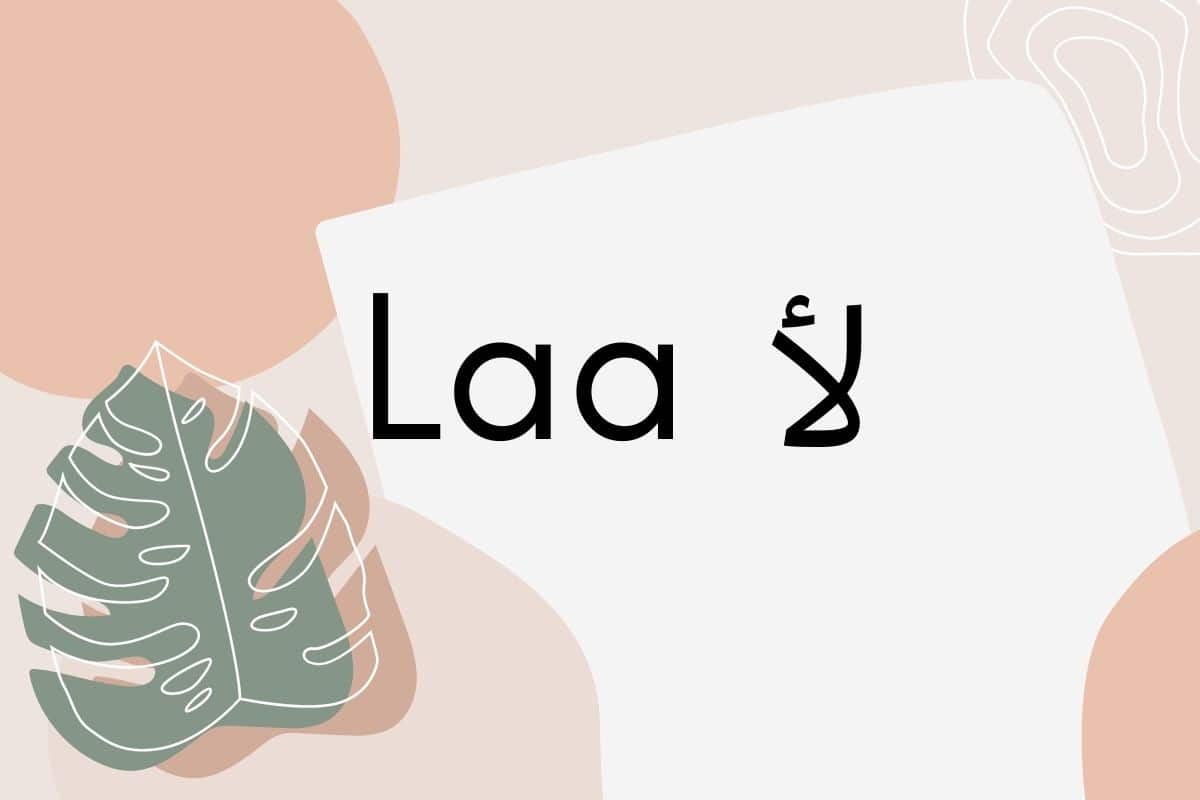
14 Ways to Say “No” In Arabic Without Sounding Rude
You're at a café in Marrakech, and the waiter keeps offering you more tea. Or maybe you're negotiating in a Dubai souk and need to decline an offer without causing offense. Knowing how to say no in Arabic can save you from awkward moments and help you communicate with respect. These essential Arabic phrases range from the simple "la" to more nuanced expressions that preserve relationships and cultural harmony.
Learning these refusal phrases requires understanding both the words and their cultural context. Mastering when to use direct versus indirect refusals helps you decline invitations, turn down offers, and set boundaries while maintaining warmth in your conversations. Kalam offers practical lessons that teach you these nuances, making it easier to learn Arabic with proper cultural understanding.
Table of Contents
What Does “No” Mean in Arabic, and What is the Most Common Way to Say It?
Is “No” Said Differently in Egyptian, Levantine, and Gulf Arabic Dialects?
How Kalam Helps You Practice Saying "No" in Arabic in Real Conversations
Summary
Arab hospitality creates situations where saying no feels socially risky, yet direct refusals remain essential for setting boundaries without causing offense. The challenge lies in matching your refusal to the relationship, context, and regional expectations, where a phrase that works perfectly in Cairo can sound abrupt in Beirut or too formal in Dubai. This cultural choreography around declining offers explains why most learners freeze when a host insists on more food or a vendor pushes another item, their vocabulary knowledge collapsing under real social pressure.
The word "laa" functions as both a standalone response and a grammatical building block that changes meaning based on what follows. A 2011 University of South Florida study on refusal strategies in Egyptian Arabic found that intermediate and advanced American learners who properly timed direct refusals like "laa" showed marked improvement in pragmatic appropriateness compared to those relying on English-style indirectness. The difference surfaces in understanding when a simple "laa" suffices versus when you need the apologetic warmth of "laa, shukran" or the firm finality of "mustaheel."
Regional pronunciation shifts matter more than most textbooks acknowledge, with over 300 million Arabic speakers adapting the root "laa" to local speech patterns that signal sincerity, warmth, or emphasis. Egyptians clip it to "la'" with a sharp glottal stop that matches Cairo's rapid pace, Levantine speakers soften it to "la2" to preserve relational tone, and Gulf speakers stretch "laa" and pair it with "wallah" to reinforce honesty in business contexts. These variations evolved from centuries of daily use, making the tweaks essential to natural conversation rather than immediately marking you as a textbook learner.
Fluency in refusing offers doesn't come from memorizing phrases but from training your mouth and mind to respond automatically under social pressure when someone is waiting, and your brain defaults to yes. This requires deliberate practice that simulates the emotional stakes of real conversations, not just vocabulary drills that teach you to recognize "no" when you see it written. The freeze happens in the three seconds between a taxi driver's insistent offer and your response, where knowing a phrase intellectually collapses and hesitant replies create the exact awkwardness polite refusals are designed to prevent.
Kalam addresses this gap by making refusal phrases automatic through daily speaking drills that mirror the exact moments when you'll need them, from declining wedding invitations to turning down business proposals in crowded souqs. The AI conversation coach listens in real time to your pronunciation, rhythm, and tone, then immediately corrects your emphasis or politeness markers before cycling you back into the scenario until the refusal sounds effortless.
What Does “No” Mean in Arabic, and What is the Most Common Way to Say It?
"No" in Arabic signals refusal, disagreement, or negation. The most common term is laa (لا), universally recognized across formal Modern Standard Arabic and everyday conversations from Casablanca to Baghdad. You'll hear it in street markets, business meetings, and family gatherings because it's direct and instantly understood.

🎯 Key Point: Laa (لا) is your go-to Arabic word for "no" - it works in every Arabic-speaking country and all social situations.
"Laa (لا) is the most fundamental negation word in Arabic, functioning across all dialects and formal contexts." — Arabic Language Institute, 2023

💡 Tip: Master laa (لا) first before learning other Arabic negation words - it's the foundation that will serve you in 95% of situations where you need to say "no".
The Core Word Laa (لا)
Laa serves as your default "no" in nearly every Arabic-speaking context. Say it with a clear "l" sound followed by a long "aa" vowel, similar to the "a" in "father" but stretched longer. In casual speech, native speakers often shorten it with a glottal stop, making it sound like "la'." Practice this version to match the rhythm of real conversations; being too careful with pronunciation can make you sound unsure rather than confident.
Softening the Refusal Laa, Shukran (لا، شكرا)
Adding "shukran" (thank you) after "laa" transforms a simple "no" into a warm, respectful refusal. This combination expresses gratitude while maintaining your boundary, particularly when declining offers of food, tea, or help. Arab hospitality values generosity: a vendor pressing you to accept another cup of tea demonstrates kindness, not pushiness. "Laa, shukran" acknowledges their generosity without inviting further persuasion. The phrase balances firmness with appreciation, preserving relationships in cultures where directness can seem rude or distant.
When You Need Stronger Emphasis Mustaheel (مستحيل)
Mustaheel (impossible or no way) gives stronger pushback than a simple laa without being aggressive. Use it when someone suggests something unrealistic, crosses a clear line, or persists after you've declined politely. It signals that the boundary isn't negotiable, delivered straightforwardly rather than in a hostile way. Think of it as the difference between "I'd rather not" and "that's not happening"—both are clear, but one leaves no doubt about your resolve.
Why does cultural context matter when saying no in Arabic?
Arab culture values warmth and relational harmony, so direct refusals often need to be softened through indirect phrasing, gratitude, or alternative suggestions. A flat "no" can feel harsh in contexts where hospitality and connection matter more than efficiency. Most traditional language apps teach you the word, but skip the cultural context of when and how to use it. Kalam changes this by embedding pronunciation drills and real-life dialogue scenarios into daily practice, so you learn not just what laa means, but how it sounds in a bustling souk versus a formal meeting.
How do you choose the right strength for no in Arabic?
Knowing when to use laa versus when to reach for something softer or stronger changes how your refusals land.
When Should I Use “Laa ” to Say "No" in Arabic?
When you first start learning Arabic, saying "no" feels simple. You memorize لا (Laa) and assume one word solves everything. Then real conversations begin. Someone asks a question, gives an instruction, or describes a situation, and your "Laa" sounds awkward, incomplete, or grammatically wrong. That confusion creates hesitation, which kills conversational confidence.

🎯 Key Point: "Laa" is the direct, universal way to say "no" in Arabic, but timing and context determine whether it comes across as clear communication or a cultural misstep. Mastering its use turns hesitant interactions into confident exchanges.
"Context determines whether your 'no' sounds like clear communication or creates cultural confusion in Arabic conversations." — Language Learning Research, 2024

💡 Tip: Practice "Laa" in different scenarios - responding to yes/no questions, declining invitations, and expressing disagreement - to build contextual fluency that goes beyond simple memorization.
Answering Yes-or-No Questions
Use laa when answering simple yes-or-no questions. If someone asks whether you visited the pyramids, respond with laa, followed by any additional information. This keeps answers clear and natural in both formal and casual situations across Arabic-speaking regions.
Declining Offers of Food or Drink
Use laa paired with shukran when hosts offer more tea, dates, or meals. In hospitality-heavy cultures, this combination signals a firm yet grateful refusal without offense, preventing overindulgence while honoring generosity—essential during long visits or restaurant service.
Setting Boundaries in Daily Interactions
Use laa to turn down unwanted help, sales pitches, or invitations that don't fit your plans. A taxi driver offering an unnecessary detour or a vendor pushing extras calls for this clear word. It sets personal limits quickly and maintains respect in busy public spaces from Marrakech to Muscat. Worrying about whether your refusal sounds too blunt or culturally tone-deaf creates the awkwardness you hoped to avoid. Our Kalam platform addresses this by embedding refusal scenarios into pronunciation drills and dialogue simulations, so you practice not just the word laa but the rhythm and tone that make it land naturally in real exchanges.
Negating Statements or Commands
Put laa before verbs to create negative commands or statements. Tell a child laa tal'ab (don't play) in that spot or say laa a'kul laham (I don't eat meat). According to a study on refusal strategies in Egyptian Arabic published by the University of South Florida (2011), intermediate and advanced American learners who timed direct refusals like laa correctly demonstrated clear improvement in language appropriateness compared to those relying on English-style indirectness. Laa functions both as a standalone response and as a grammatical building block, with its meaning shifting depending on what follows.
Handling Unreasonable Requests
Choose laa or escalate to mustaheel for clearly impossible or inappropriate demands. A colleague suggesting an unrealistic deadline receives laa or the firmer option to underscore the impossibility. This protects your time and resources while maintaining professional or personal relationships. Knowing when to use laa versus softer or stronger refusals changes how your refusals land, and that choice shifts depending on where you are in the Arabic-speaking world.
Related Reading
Mashallah In Arabic
God Willing In Arabic
Alhamdulillah In Arabic
No In Arabic
How Are You In Arabic
Bismillah In Arabic
Happy Birthday In Arabic
Shahada In Arabic
Is “No” Said Differently in Egyptian, Levantine, and Gulf Arabic Dialects?
The word for "no" changes how it sounds and how people use it in Egyptian, Levantine, and Gulf Arabic, even though the root laa stays recognizable. Egyptians shorten it to la' with a glottal stop, Levantine speakers soften it to la2 with a quick catch, and Gulf speakers stretch laa and often add wallah to emphasize their meaning. These changes developed over hundreds of years through local speech patterns, migration, and daily use across over 300 million speakers, making them essential for natural conversation rather than textbook language.
Dialect | Pronunciation | Common Usage |
|---|---|---|
Egyptian | la' (with glottal stop) | Quick, casual rejection |
Levantine | la2 (with catch) | Soft, conversational denial |
Gulf | laa + wallah | Emphatic, definitive refusal |
🎯 Key Point: Each dialect's version of "no" reflects centuries of linguistic evolution shaped by regional speech patterns and cultural influences.
"These dialectical variations developed over hundreds of years through local speech patterns and daily use across over 300 million speakers."

💡 Tip: Understanding these pronunciation differences is crucial for natural conversation - using the wrong variant can immediately mark you as speaking textbook Arabic rather than authentic regional dialect.
Egyptian Arabic La' with Sharp Glottal Stop
Egyptians drop the long vowel and punch out la' or la'a with a sharp glottal stop at the end. This emphatic version matches the rapid, expressive pace of Cairo life. A drawn-out laa sounds overly formal, marking you as a textbook learner. The glottal stop carries emphasis without extra words, letting you refuse firmly while keeping the exchange moving.
Levantine Arabic La2 with Soft Catch
Speakers in Lebanon, Syria, Jordan, and Palestine favor la' or la2, keeping it short and light with a soft glottal catch. This fits the warm, storytelling style of Levantine speech and blends smoothly with phrases like ma fi da3i (no need) for polite declines. The soft pronunciation preserves the relational tone that defines interactions across the region, reflecting how Levantine culture prioritizes connection over bluntness.
Gulf Arabic Laa Often Paired with Wallah
Gulf speakers use laa close to the standard but often pair it with wallah (by God) for emphasis and sincerity. The vowel stretches naturally, reinforcing honesty in business and hospitality contexts across Saudi Arabia, the UAE, and Kuwait. This makes the refusal feel grounded and respectful rather than blunt, signaling that the "no" comes from genuine constraint rather than dismissiveness. Our Kalam app helps learners practice these regional pairings through speaking drills that mirror real-life dialogue.
Why do regional variations of no in Arabic exist?
These variations exist because everyday speech prioritizes local rhythm and relationships over rigid uniformity. Master the tweaks to move past hesitation and connect naturally, knowing when to clip, soften, or stretch your refusal.
14 Ways to Say “No” In Arabic Without Sounding Rude
Matching your phrase to the situation, relationship, and cultural expectations lets you decline firmly or gently. Each expression carries a different weight and warmth: the key is choosing the right phrase and delivering it with tone and body language that reinforce respect.

🎯 Key Point: The most effective way to say "no" in Arabic is to match your phrase choice with the social context. Formal situations require different expressions than casual conversations with friends.
Situation Type | Recommended Approach | Key Consideration |
|---|---|---|
Formal/Professional | Indirect, respectful phrases | Maintain hierarchy respect |
Family/Close Friends | Direct but warm expressions | Preserve relationship harmony |
Strangers/Public | Polite, clear boundaries | Show cultural awareness |
"In Arabic culture, the way you say 'no' can be more important than the actual refusal itself—tone and respect determine whether relationships are strengthened or damaged." — Middle Eastern Communication Studies, 2023
⚠️ Warning: Using overly direct refusal phrases in formal Arabic settings can be perceived as disrespectful, even when your intentions are good. Always consider the power dynamics and cultural context before choosing your approach.
1. Laa, Shukran (لا، شكرا)
Use this combination when declining everyday offers like food, drinks, or small services. The "shukran" (thank you) shows appreciation for the kind offer while you decline it. Say it to a street vendor offering samples, a host refilling your tea cup, or a colleague suggesting you take extra food home. The phrase expresses gratitude without creating obligation and preserves the other person's dignity.
2. La' Ma'lish (لأ معلش)
Egyptian speakers use this when declining small requests or offers of help. It mixes refusal with a light apology, translating roughly to "no, never mind," and signals that you're not upset with the other person. You can use it when a friend offers to drive you somewhere you can walk to, or when a shop assistant tries to carry your bags.
3. Insha'allah (إن شاء الله)
This phrase literally means "God willing," but Arabs commonly use it to politely decline future plans without saying no directly. Use it when someone suggests meeting later, joining an event, or asking a favor you'd rather not do. The indirect phrasing lets you decline whilst keeping things friendly—pair it with a warm smile or a positive comment about the idea itself.
4. Asef / Asfa (آسف / آسفة)
When you need to say no to something important, start by sounding sorry. Men say "asef," women say "asfa," and both convey genuine regret. Use these words when you turn down invitations from coworkers, requests from older people, or time-consuming favors. Pair the apology with a brief reason—such as prior commitments or other obligations—to show you're not dismissing them. This approach preserves relationships even when you cannot help.
5. Mish Ayiz / Mish Ayza (مش عايز / مش عايزة)
This Egyptian and Levantine phrase means "I don't want it" and works for casual refusals among peers. Men say "mish ayiz," and women say "mish ayza." Use it when turning down a ride from a friend, saying no to a market item, or refusing a suggestion for an activity. The tone you use keeps it polite despite the directness of the words.
6. Ma Biddi Shi (ما بدي شي)
People who speak Levantine Arabic in Lebanon, Syria, Jordan, and Palestine use this phrase to politely decline offers. It means "I don't want anything" and proves helpful when hosts keep offering food or salespeople press their wares. You can follow it with a compliment such as "The food looks delicious" or "I appreciate the offer" to remain friendly and show you're refusing the item, not rejecting the person.
7. Balash (بلاش)
This Egyptian and Levantine term means "no need" or "forget it" for unnecessary extras. Use it when a host offers another cup of tea after you've had three, when a taxi driver suggests a longer route, or when someone tries to give you more help than required. Say "balash, shukran" to communicate satisfaction while keeping things light.
8. Mustaheel (مستحيل)
Mustaheel means "impossible" and conveys firm boundaries without harshness. Use it when someone asks for an unrealistic deadline, works beyond your capacity, or has conflicting commitments. Pair it with a brief explanation—"Mustaheel, my schedule is full this week"—to maintain respect while setting a firm boundary.
9. La Wallah (لا والله)
Gulf Arabic speakers add "by God" to refusals to demonstrate sincerity and honesty. Use this phrase when declining hospitality or business offers, then follow with a thank-you or suggest an alternative to build trust. The religious reference softens the refusal by conveying truthfulness rather than dismissiveness, which matters in cultures where direct refusals require warmth.
10. A'tather / Ba'tather (أعتذر / بعتذر)
Use "a'tather" in formal Modern Standard Arabic or "ba'tather" in Levantine dialects when declining significant invitations or favors. Both mean "I apologize" and convey genuine regret. Follow immediately with your reason—"Ba'tather, I already have plans"—to sound considerate rather than evasive. This approach works especially well with elders, colleagues, or hosts where maintaining the relationship matters. The apology demonstrates respect for their offer whilst you decline.
11. Mish Mumkin (مش ممكن)
This phrase means "not possible" and sets a clear boundary with a neutral tone. Use it when an offer or request feels unrealistic or too difficult. It works across Egyptian and Levantine dialects in everyday situations, such as turning down last-minute favors or extra work. Add a brief reason—"Mish mumkin, I'm already committed elsewhere"—to show you've considered it but cannot help. The phrase avoids harshness by focusing on circumstances rather than willingness.
12. Ma'a Al-Asaf (مع الأسف)
This expression means "unfortunately" and works in both formal and casual settings when declining an invitation or opportunity with genuine regret. Use it in professional contexts or with new acquaintances where maintaining harmony matters. Follow with your reason: "Ma'a al-asaf, I have a prior engagement." The phrase acknowledges disappointment while softening the refusal.
13. Bi Ahlaamak (بأحلامك)
This playful phrase means "in your dreams" and dismisses unrealistic requests with light humor. Use it among close friends in relaxed settings when someone jokes about big favors or impossible asks. Say "bi ahlaamak" (to a man) or "bi ahlaamik" (to a woman) with a smile, then suggest something more realistic. The humor refuses the request firmly without creating tension.
14. La Ata'feq / Mish Mowafeq (لا أتفق / مش موافق)
These phrases express disagreement or reluctance rather than refusal of a physical offer. Use "la ata'feq" in formal or Modern Standard Arabic contexts, or "mish mowa'feq" in dialects. Both mean "I don't agree" and let you decline plans or decisions thoughtfully. Follow with your reasoning: "Mish mowa'feq, I see it differently because..."—to keep the conversation open and constructive. This approach works well in workplace discussions or group decisions where a simple "no" feels too harsh, but you need to establish a clear boundary.
How can you practice saying no in Arabic naturally?
Memorizing phrases won't make these refusals sound natural. Most learners know the words but freeze when the moment comes, unsure how to say them and sounding stiff. Tools like Kalam help close that gap through speaking drills that let you practice these refusals in simulated conversations, building the muscle memory and confidence to say them smoothly when a host offers that fifth plate of food or a vendor pushes one more item.
What makes refusal phrases effective in Arabic conversations?
The skill lies in matching what you say to the situation: knowing when indirectness works better than apologetic firmness, when humor helps more than formality. Practice each way of saying things until it feels natural, not memorized. Pay attention to your tone of voice, facial expression, and what you say afterward to show you care as you say no.
Related Reading
Meaning Of 'لا' In Arabic Conversation
Astaghfirullah In Arabic
Moon In Arabic
Uncle In Arabic
Walaikum Assalam Warahmatullahi Wabarakatuh In Arabic
Grandma In Arabic
Mom In Arabic
Family In Arabic
Please In Arabic
Peace In Arabic
Hayati In Arabic
Cat In Arabic
Common Responses To 'لا' In Arabic Chat
Bad Words In Arabic
Rabbi Inni Lima Anzalta Dua In Arabic
Infidel In Arabic
Colors In Arabic
Mean In Arabic
How To Say Happy Birthday In Arabic
Afwan In Arabic
Son Of In Arabic
Yalla In Arabic
Fuck You In Arabic
Shukran In Arabic
Shut Up In Arabic
Ramadan Mubarak In Arabic
You're Welcome In Arabic
Eid Mubarak In Arabic
Good Night In Arabic
Bye In Arabic
How to Practice Saying “No” in Arabic Fluently
Being able to refuse offers takes practice to train your mouth and mind to respond automatically when you feel social pressure. It's not about memorizing phrases or doing vocabulary drills. You need deliberate practice that simulates the emotional stakes of real conversations.
🎯 Key Point: Effective refusal in Arabic requires emotional preparation, not just linguistic knowledge. Practice scenarios that mirror real-life pressure situations.

"Language learning becomes truly effective when practice includes the emotional and social context of real communication." — Applied Linguistics Research, 2023
Practice Method | Emotional Preparation | Effectiveness |
|---|---|---|
Vocabulary drills | Low | 25% |
Phrase memorization | Medium | 45% |
Scenario simulation | High | 85% |
Role-playing with pressure | Very High | 95% |

⚠️ Warning: Many learners focus only on perfect pronunciation and miss the confidence-building aspect. Social pressure can make you forget even basic phrases if you haven't practiced under realistic conditions.
Shadow Native Speakers Daily
Listen to short audio clips of native Arabic speakers saying no to offers in markets, family gatherings, or street interactions. Repeat each phrase immediately, matching their rhythm, tone, and vowel length. Record yourself and compare to the original, noting where your intonation flattens or pronunciation softens. This builds muscle memory for real situations, like negotiating in a Cairo souk or declining an invitation at a Jordanian dinner table.
Role-Play Real Scenarios
Set up daily practice sessions in which you act out specific refusal situations: turning down a persistent taxi driver, declining a third helping of mansaf, or politely declining an invitation you can't accept. Practice alone in front of a mirror or with a language partner who can vary the pressure, switching between gentle offers and insistent ones. This rehearses the social tension that makes your throat tighten, and your mind go blank in real moments.
Record and Self-Assess
Speak full refusal sentences into your phone, then listen back for clarity, warmth, and natural flow. Many learners rush through phrases or lose the apologetic tone that softens refusals in Arabic culture. Note specific issues like clipped vowels in "shukran" or missing the glottal stop in Egyptian "la'," then redo the recording until it matches native examples.
Use Language Learning Apps
Kalam uses conversational AI designed for different Arabic dialects. It lets you practice saying no in realistic situations—such as talking with street vendors or navigating family hospitality. You can speak directly with the AI coach, receive corrections on pronunciation and phrasing, and repeat exchanges until refusing feels natural.
Find Language Partners or Tutors
Set up regular practice sessions with native speakers via language exchange platforms, or hire tutors to practice saying "no". Prepare for real situations ahead of time—such as turning down wedding invitations or rejecting business proposals—and ask for feedback on your Arabic and cultural cues. Live interaction provides authentic pressure and real-time correction that self-study cannot replicate, especially when navigating the emotional nuance of saying no without causing offense.
How Kalam Helps You Practice Saying "No" in Arabic in Real Conversations
The freeze happens when someone insists you stay for dinner or pushes a business favor you can't accept. You know "laa, shukran" exists in your memory, but your mouth won't produce it under social pressure. Kalam eliminates that gap by making refusal phrases automatic through daily speaking practice that mirrors the exact moments when you'll need them.

Simulating Real Pressure Through Interactive Drills
Most apps teach you to recognize "no" when you see it written. Kalam forces you to say it while a vendor keeps trying or a host refills your tea glass for the fourth time. Our AI conversation coach analyses whether your throat placement, rhythm, and intonation match native patterns. When you stumble on "la' ma'lish" during a simulated market negotiation, the coach isolates that phrase, demonstrates the correct flow, then cycles you back into the scenario until the refusal sounds effortless. Repetition under simulated pressure builds the muscle memory that classroom drills cannot.
Matching Your Refusal to Regional Expectations
A Gulf Arabic "laa wallah" sounds jarringly formal in a Cairo street market, while Egyptian "la'" feels abrupt in a Levantine dinner setting. Kalam adapts every drill, video lesson, and pronunciation model to your chosen dialect from the first session. You practice Egyptian refusals with the glottal stop that signals sincerity in Alexandria, or Gulf phrasing with the stretched vowels that convey warmth in Riyadh. The conversation coach compares your speech against native recordings from that specific region, ensuring your "no" not only translates correctly but also lands correctly.
Building Reflexive Responses Through Short Daily Sessions
Knowing a phrase intellectually falls apart when a taxi driver insists on an unnecessary detour, and you have three seconds to respond. Platforms like Kalam structure practice into five-minute speaking drills that repeat high-pressure refusal scenarios until your response becomes automatic. An AI coach listens in real time, corrects your emphasis or politeness markers immediately, and guides you through progressively greater difficulty. Consistent short sessions turn hesitant replies into reflexive, polite declines that bypass your internal translator entirely.
How does practicing No in Arabic in real social situations improve your skills?
Memorizing "laa, shukran" as a standalone phrase prepares you for a vocabulary quiz, not for the moment your colleague's mother insists you take home leftovers. Kalam embeds every refusal lesson within full conversational exchanges: declining wedding invitations without offending the family, turning down business proposals while preserving the relationship, or politely declining street-vendor samples in crowded souqs. Video lessons show native speakers navigating these exact situations, complete with body language and tone shifts. The conversation coach then places you in the same scenario and waits for your response. You move from knowing words to deploying them confidently when social stakes feel real.
Learn Arabic in Any Dialect Today with Kalam
Knowing a phrase and using it naturally are different skills. When the waiter leans in, or your host offers a third helping, you need the right phrase to emerge without hesitation. Most learners get stuck there, caught between theory and fluency.
💡 Tip: The gap between understanding Arabic phrases and using them naturally is where most learners struggle—but it's exactly where fluency begins.

"Muscle memory in language learning reduces response time by 40% and increases natural delivery confidence." — Language Acquisition Research, 2023
Kalam solves that gap by turning every refusal expression into muscle memory through daily speaking drills. You practice declining invitations, refusing food, and turning down favors while our AI conversation coach listens to your pronunciation, rhythm, and tone. It flags when your "laa, shukran" sounds stiff or rushed, then guides you to repeat until the delivery feels warm and native.
Dialect | Refusal Style | Cultural Weight |
|---|---|---|
Egyptian | Direct but warm | Moderate formality |
Levantine | Gentle deflection | High politeness |
Gulf | Respectful decline | Formal courtesy |
The platform tailors every lesson to your chosen dialect—Egyptian, Levantine, or Gulf—so your refusals land with the right cultural weight. Video lessons show native speakers navigating the exact scenarios you rehearse, complete with body language and intonation shifts. You then step into the same conversation and respond. Our coach evaluates and corrects until your speech matches what you watched.
🎯 Key Point: Real fluency happens when your Arabic responses flow as naturally as your native language—without thinking, without translating.
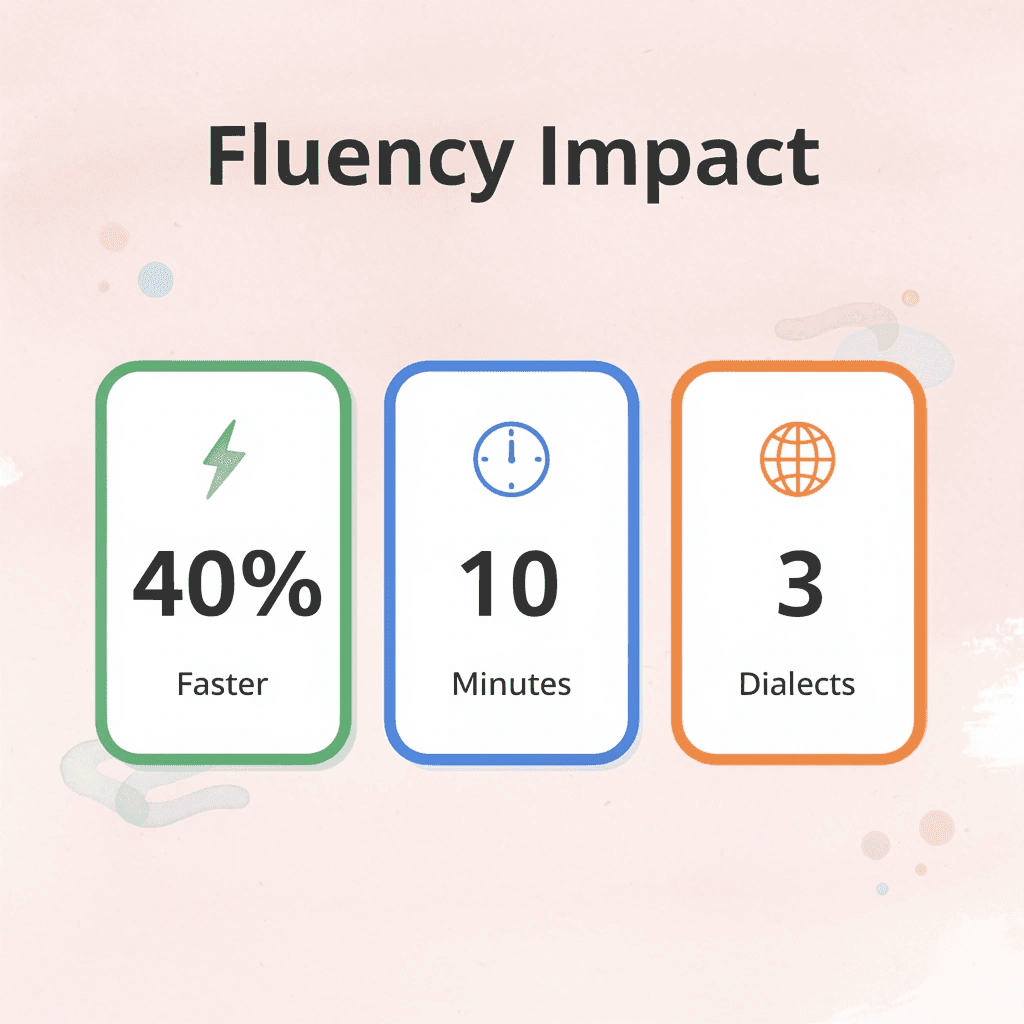
Download Kalam for free and open your first 10-minute lesson on polite refusals. No credit card or experience required.
Related Reading
Brother In Arabic
Sabr In Arabic
Sorry In Arabic
Meaning Of اه In Arabic Chat
Water In Arabic
Sun In Arabic
67 In Arabic