13 Best Memrise Alternatives for Language Learning in 2026
Countless language learners spend weeks memorizing Arabic vocabulary through flashcards and apps like Memrise, only to freeze up when trying to have real conversations. Traditional vocabulary apps promise fluency but deliver surface-level memorization without the speaking skills or cultural context needed for genuine communication. These platforms fall short because they isolate words from meaningful dialogue and fail to build the confidence needed for real language use.
Effective language learning requires a structured curriculum built around real conversations, not isolated word lists. Successful methods combine pronunciation training with native speakers, contextual learning, and practice that mirrors natural language acquisition. For those seeking genuine conversational ability rather than mere word recognition, platforms like Kalam provide the comprehensive approach needed to learn Arabic with confidence.
Summary
Memrise's shift away from community-generated courses disrupted years of personal investment for dedicated learners who had built custom vocabulary decks for niche hobbies, professional jargon, or regional dialects. Users who started on the platform as early as December 2013 suddenly faced fragmented access through separate sites in early 2024, watching countless hours of curation vanish behind workarounds. This erosion of autonomy pushed people toward alternatives, where full control over custom content remains a core strength.
Long-time users express deep frustration at the removal of on-demand review functionality, which once allowed them to reinforce words as needed. Some learners previously completed hundreds or thousands of daily reviews, yet the elimination of Speed Review and manual review options now artificially limits how much time they can spend on the platform, even when motivated to practice more. Users who take days or weeks off cannot immediately refresh their forgotten vocabulary, creating a barrier that feels counterintuitive for a language-learning app.
The language learning market will reach $54.83 billion by 2030, according to Grand View Research, yet completion rates remain stubbornly low because many apps prioritize engagement metrics over measurable fluency gains. Most platforms claim to teach conversation but actually drill vocabulary recognition, a distinction that matters because memorizing words through spaced repetition does not prepare you for the unpredictable rhythm of real dialogue. Learners need platforms that prioritize pronunciation practice, immediate feedback on spoken responses, and structured speaking drills from day one rather than treating conversation as a bonus feature unlocked after vocabulary thresholds.
The global online language learning market will grow from $24.56 billion in 2025 to $63.43 billion by 2032, driven partly by learners abandoning platforms that prioritize monetization over measurable progress. Memrise has increasingly emphasized paid subscriptions and premium unlocks, alienating users who once enjoyed robust free access to core tools. Lifetime plans and subscription barriers create friction for budget-conscious learners, especially after changes that locked away previously available community resources, eroding the loyalty of users who once considered Memrise their favorite language-learning app.
Platforms that restrict when and how much you can study create artificial barriers that clash with natural patterns of motivation. Some users discover they want extra review when words don't stick the first time, or they finish scheduled sessions but still have energy to practice, yet design choices that limit paying customers' ability to actively use the platform raise questions about business logic. This restriction feels especially odd when learners have time and energy to engage further, driving users toward competitors that still offer unrestricted practice when motivation runs high.
For Arabic learners seeking a conversation-centered approach beyond Memrise's video-and-mnemonic style, Kalam addresses this by serving as a conversation coach that prioritizes speaking drills and pronunciation practice from day one, helping learners build real-world speaking confidence through daily practice that delivers immediate progress in actual conversations rather than passive language knowledge.
Table of Contents
What is Memrise, and How Does It Work?
Why Do Users Seek Memrise Alternatives?
What are the Criteria for Evaluating Language Learning Platforms?
13 Best Memrise Alternatives for Language Learning in 2026
How to Choose the Best Memrise Alternative
Learn Arabic in Any Dialect Today with Kalam
What is Memrise, and How Does It Work?
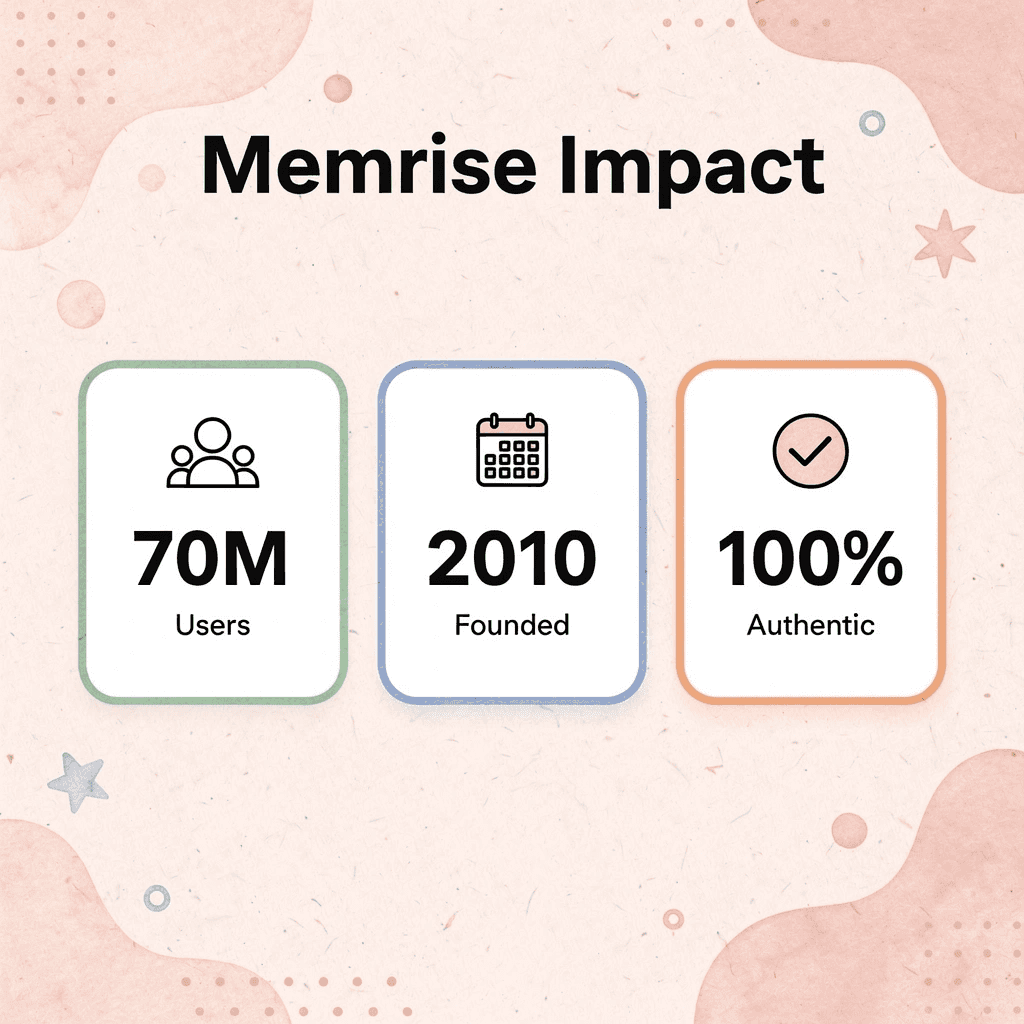
Memrise is a language-learning platform that builds vocabulary and speaking skills through spaced repetition, native-speaker video content, and AI conversation practice. Founded in 2010 by neuroscience and memory researchers from Oxford University, it serves over 70 million users across more than 20 official language courses. The platform combines memory science with immersive real-life content, moving learners from isolated word lists to practical scenarios like ordering food, checking into hotels, and handling everyday conversations.
🎯 Key Point: Memrise differentiates itself by combining scientific memory techniques with real-world video content from native speakers, making vocabulary learning more practical and contextual.

"70 million users have chosen Memrise for its unique blend of memory science and authentic content from native speakers." — Memrise Platform Statistics, 2024
Core Feature | How It Works | Learning Benefit |
|---|---|---|
Spaced Repetition | Reviews words at optimal intervals | Long-term retention |
Native Speaker Videos | Real people using actual phrases | Authentic pronunciation |
AI Conversation Practice | Interactive speaking sessions | Practical application |
💡 Tip: Memrise's neuroscience-based approach means you're not just memorizing words—you're training your brain to retain and recall language in real-world contexts.
The Three-Phase Learning Model
Memrise structures each lesson around three phases: Learn, Immerse, and Communicate. In Learn, you encounter new vocabulary and phrases through translations, audio clips, and spaced repetition schedules that lock information into long-term memory. Immerse features more than 48,000 authentic native-speaker videos demonstrating pronunciation, speed variation, and emotional expression in real situations. Communicate connects you with MemBot, an AI tutor offering unlimited text or voice practice, pronunciation and grammar feedback, and guidance when you feel stuck.
Personalization and Progress Tracking
Memrise asks about your skill level and learning goals—travel, work, relationships, or heritage—then creates targeted word lists and scenarios for you. The platform tracks progress through a points-based system and 31 proficiency stages from beginner to mastery. Free access includes official courses, videos, and basic AI practice. A paid Pro plan removes ads and unlocks unlimited AI conversations, grammar drills, verb conjugation exercises, and cultural tips.
The Vocabulary-First Challenge
Memrise excels at long-term retention through structured curriculum and gamification, but this strength limits flexibility. Learners seeking faster progress or prioritizing speaking over vocabulary building may find the set pace restrictive. The platform emphasizes vocabulary learning and recognition rather than developing conversational fluency. Platforms like Kalam work differently. We focus on speaking drills and pronunciation practice from the beginning, rather than waiting until you know enough vocabulary. This conversation-first approach builds speaking confidence through daily practice, delivering quick progress in real conversations rather than passive language knowledge.
Native Speaker Videos and AI Practice
Memrise's library of real video clips with actual people using the language in natural situations sets it apart from apps that use robotic text-to-speech. You hear accents, slang, and rhythms that textbooks don't teach. MemBot adds a safe space to practice speaking before talking to real people, addressing a gap in platforms that build vocabulary without fostering conversational confidence. But the question remains whether learning words through spaced repetition prepares you for unexpected conversations, or whether speaking confidence requires a different kind of practice from the start.
Related Reading
Why Do Users Seek Memrise Alternatives?
Students seek Memrise alternatives when the platform no longer supports their learning goals. What once felt like a community-driven vocabulary builder has become a paid product that limits freedom, removes features people loved, and leaves gaps in real-world fluency skills. Users who spent years creating custom courses or building daily review habits now face a platform that feels transformed, pushing them toward tools that respect their time, budget, and learning preferences.

🎯 Key Point: The shift from Memrise's original community-focused model to a more restrictive, monetized platform has left many learners searching for alternatives that better match their specific learning needs and budget constraints.
"When a language learning platform removes beloved features and limits user freedom, it's no surprise that dedicated learners seek tools that prioritize their learning journey over profit margins."

⚠️ Common Issue: Many users discover that their custom courses and personalized study materials become less accessible or entirely removed when platforms undergo major changes, forcing them to rebuild their learning systems from scratch.
Removal of Community-Generated Courses
Memrise's decision to phase out easy access to user-created courses was a significant turning point for serious learners. These community-created courses allowed people to find or build highly specific decks that matched niche interests, hobbies, or professional needs that official materials rarely addressed.
How did the changes affect user experience?
Since early 2024, users have been unable to integrate smoothly into the main app, losing the ability to customize their study paths and being forced to seek workarounds or migrate their progress elsewhere. The change disrupted years of personal investment, as learners who had spent countless hours creating or following these courses suddenly found their access broken on a separate site. This loss of control pushed people toward alternatives like Anki or Quizlet, where full control over custom content remains a core strength.
Declining Quality of Official Content
Official courses on Memrise have faced criticism for feeling rushed and lacking depth. Many users describe them as basic word lists rather than thoughtful learning experiences. Content often appears unpolished, missing cultural nuance or accurate usage examples that serious learners expect. Learners encounter repetitive drills that fail to spark motivation or aid long-term retention. The emphasis on quantity over quality has prompted many to question the app's value, particularly when free or low-cost competitors offer more refined, expert-curated lessons.
Limited Focus on Speaking and Real-World Conversation
Memrise excels at helping you memorize individual words through videos and spaced repetition, but it falls short in building speaking confidence. Users often complete lessons yet struggle with smooth conversations because the app lacks practice in unpredictable real-life exchanges and immediate feedback from native speakers. This gap leaves learners in a recognition phase without progressing to production skills. Without structured opportunities for pronunciation correction or interactive dialogue, learners acquire only passive knowledge rather than practical fluency. Alternatives, including live tutoring, community feedback, or immersive scenarios, better prepare users for everyday communication.
Why has Memrise's pricing model become controversial?
Memrise has prioritized premium features and subscriptions, upsetting users who previously enjoyed strong free access to core tools. Lifetime plans and paid unlocks create barriers for budget-conscious learners, particularly when they lock away community resources that were once available. This monetization strategy has eroded trust among long-time users who feel the app no longer delivers sufficient value without additional spending.
What alternatives are users choosing over Memrise?
The move has prompted comparisons with free or transparently priced options that offer strong spaced repetition and customization. Learners seeking cost-effective solutions now gravitate toward tools like Duolingo's free tier or open-source apps, where progress does not depend on ongoing payments.
Absence of Comprehensive Grammar and Structured Progression
Memrise excels at teaching vocabulary but lacks clear explanations of grammar and a structured progression from beginner to advanced levels. Users report missing built-in lessons on sentence construction, verb conjugations, and context-dependent language rules. These gaps undermine comprehensive language understanding, as vocabulary alone cannot ensure correct usage without a grammatical foundation. Many learners want a guided path that tracks their progress in reading, writing, listening, and speaking, aligned with CEFR levels. Since Memrise lacks this feature, learners have switched to apps with built-in grammar lessons and clear goals. These apps help them avoid the plateau that happens when relying too much on flashcard-style studying.
What are the Criteria for Evaluating Language Learning Platforms?
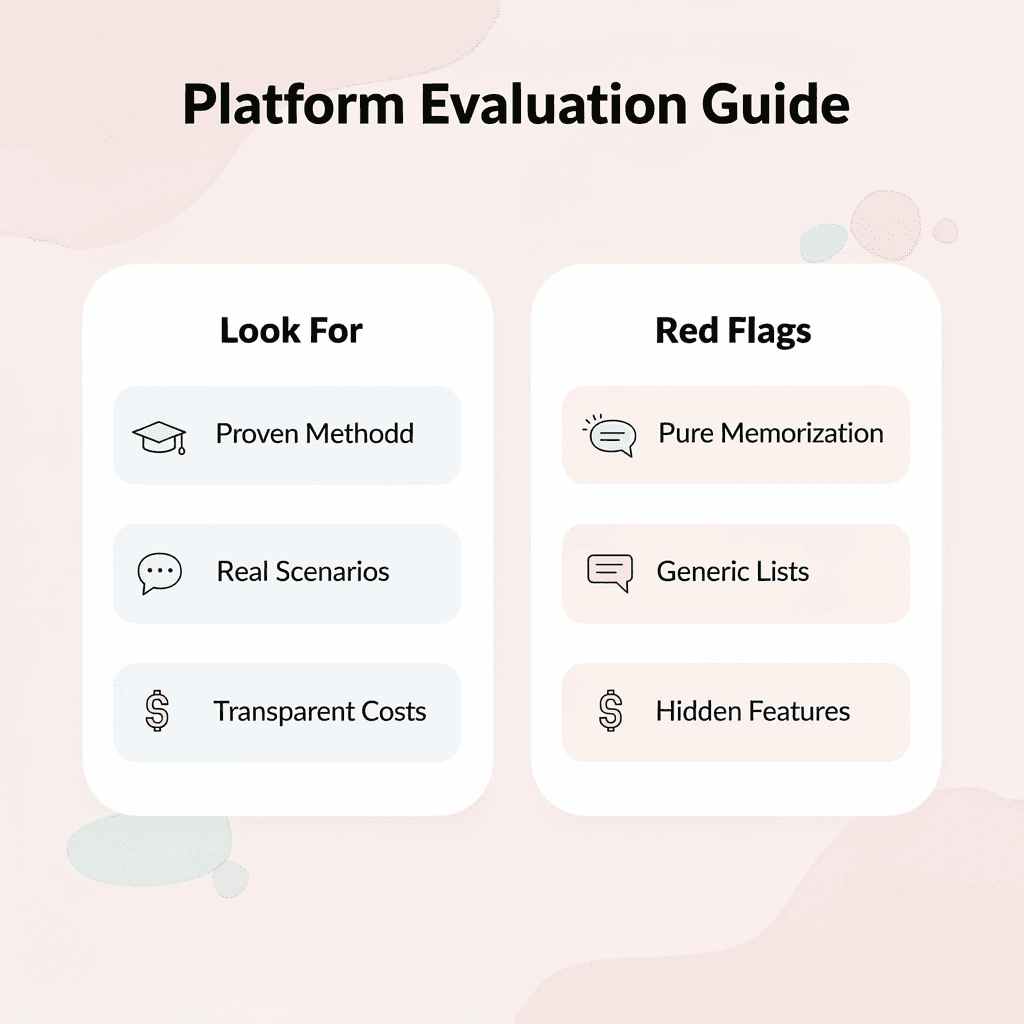
The right platform matches your actual learning goals, not marketing features. Strong evaluation requires three non-negotiable elements: proven teaching methods that build conversational ability, content depth reflecting real language use, and transparent pricing without essential tools locked behind paywalls. Gamification, streak counters, and flashy interfaces matter only if these foundations hold firm.

Core Criteria | What to Look For | Red Flags |
Teaching Methods | Proven conversational techniques | Pure memorization focus |
Content Quality | Real-world language scenarios | Generic phrase lists |
Pricing Model | Transparent, all-inclusive costs | Hidden premium features |
🎯 Key Point: A platform's true value lies in its pedagogical foundation, not its user interface design or marketing promises.
"Effective language learning platforms must prioritize evidence-based teaching methodologies over superficial engagement features." — Language Learning Research, 2023

💡 Evaluation Tip: Test the platform's free trial by focusing on actual conversation practice rather than getting distracted by gamified elements that don't translate to real-world language skills.
Why do most platforms fail at building speaking confidence?
Most platforms claim to teach conversation, but practice vocabulary recognition instead. Memorizing words through spaced repetition doesn't prepare you for the unpredictable rhythm of real dialogue, where you must produce language under pressure rather than recognize it passively. Look for platforms that prioritize pronunciation practice, immediate feedback on spoken responses, and structured speaking drills from day one. According to Grand View Research, the language learning market will reach USD 54,833.2 million by 2030, yet completion rates remain low because many apps prioritize engagement metrics over measurable fluency gains.
How does conversation-first learning compare to Memrise's approach?
Platforms like Kalam treat speaking as the main skill rather than a bonus feature unlocked after learning vocabulary. This conversation-first approach delivers quick progress in real conversations, training your mouth and ears simultaneously rather than building passive knowledge that crumbles when you need it. When evaluating platforms, ask yourself whether they require daily speaking practice or merely create a sense of productivity through endless word lists.
What makes content depth more effective than isolated vocabulary?
Material drawn from real situations separates tools that entertain from those that prepare you for actual conversations. Check whether lessons cover practical scenarios such as negotiating prices, handling emergencies, or navigating cultural differences that textbooks typically omit. Audio from native speakers with different accents and speaking speeds trains your ear for how real conversation sounds: mumbling, interruptions, and slang that formal courses ignore.
How does progressive difficulty improve retention with Memrise?
Relevance also means progressive difficulty that respects what you already know while stretching your abilities. Effective curricula connect new grammar to familiar patterns and add complexity gradually. When content reflects how people actually communicate, retention improves, and motivation sustains itself naturally.
How do hidden fees affect Arabic learning platform value?
Hidden fees and aggressive upselling erode trust faster than poor teaching methods. Compare total costs across subscription models, lifetime plans, and free tiers to understand what you receive at each price point. Platforms that lock essential features like speaking practice or grammar explanations behind premium paywalls deliver less value than transparent competitors offering robust free access or fair one-time purchases.
What market trends show about Memrise and competitor pricing?
MMR Statistics projects that the global online language learning market will grow from USD 24.56 billion in 2025 to USD 63.43 billion by 2032. This growth is driven by learners leaving platforms that prioritize profit over student progress. Value shows when your investment helps you gain fluency without constant upgrade costs.
13 Best Memrise Alternatives for Language Learning in 2026
Thirteen platforms now offer stronger paths to fluency than Memrise's flashcard-heavy model. Some emphasize live conversation with native tutors, others deploy artificial intelligence for pronunciation feedback, and a few specialize in dialect-specific training that reflects how people speak in Cairo, Beirut, or Dubai. The best choice depends on whether you need workplace communication, travel preparation, or authentic cultural immersion.

1. Kalam
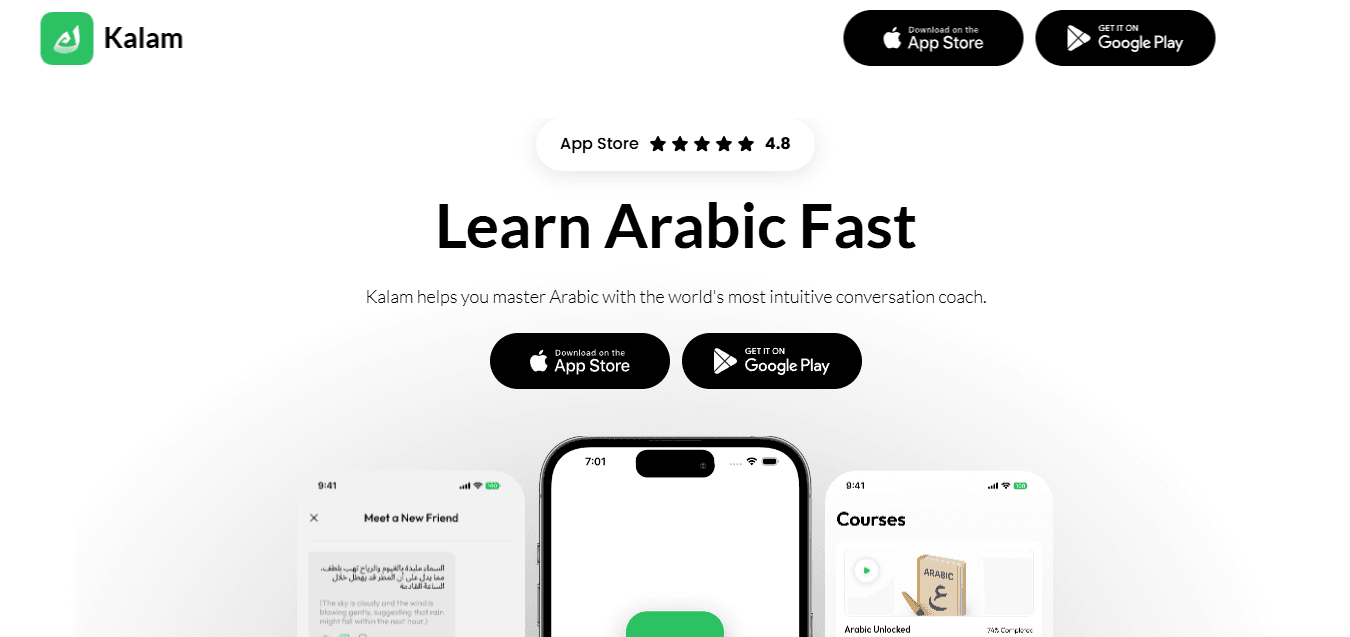
Kalam is a dedicated Arabic language learning app that positions itself as the world’s most intuitive conversation coach, helping users master spoken Arabic through practical, daily practice focused on real-life dialogues and dialect-specific skills rather than rote memorization.
Key Features
World’s most intuitive conversation coach – This core AI-powered coach guides users through natural speaking practice, simulating real conversations to build confidence and fluency from the very first session.
Short daily lessons – Designed for busy schedules, the app delivers effective progress with just a few focused lessons each day, turning consistent short practice into lasting speaking ability.
Dialect-specific learning – Users select and train in authentic varieties such as Egyptian, Levantine, Gulf, or Maghrebi Arabic, ensuring lessons match the exact pronunciation, phrasing, and cultural context they will encounter.
Interactive speaking drills – Hands-on conversation drills build muscle memory by repeating realistic scenarios, helping patterns become automatic reflexes for actual exchanges.
Realistic conversational AIs – Practice with tailored AI partners that respond in context-specific dialogues, making sessions feel like talking with native speakers in different situations.
Video lessons – High-quality video content introduces authentic speech rhythms and expressions, complementing the speaking drills with visual and auditory immersion.
Pronunciation guides and voice recognition feedback – Built-in speech recognition analyzes your pronunciation in real time, providing immediate scores and corrections to help you sound more natural.
Phrase meaning explanations – Every expression comes with clear breakdowns of meaning and usage, so learners understand not just what to say but why and when it fits in conversation.
Flashcard review – Integrated spaced-repetition flashcards reinforce vocabulary and structures encountered during speaking practice for stronger long-term retention.
Progress tracking and personalized lessons – The app monitors advancement, adjusts difficulty, and delivers custom content based on individual performance and goals.
Best For
Kalam works best for learners who want to prioritize speaking Arabic confidently in real-world situations rather than just reading or writing. It is ideal for travelers preparing for specific regions, professionals needing dialect-matched communication for business in the Middle East, individuals with family connections in Arabic-speaking countries, or anyone tired of traditional textbook methods who prefers short, enjoyable daily sessions that deliver conversational results quickly. The platform shines for beginners and intermediate learners seeking stress-free practice with authentic dialects, video support, and AI coaching that adapts to personal goals, such as market bargaining in Cairo, family chats in Beirut, or workplace talks in Dubai.
Pros
Strong emphasis on speaking practice from day one builds practical fluency quickly
Dialect choice makes learning relevant and immediately usable
Short daily format fits easily into busy lifestyles
AI feedback and personalization keep motivation high with measurable progress
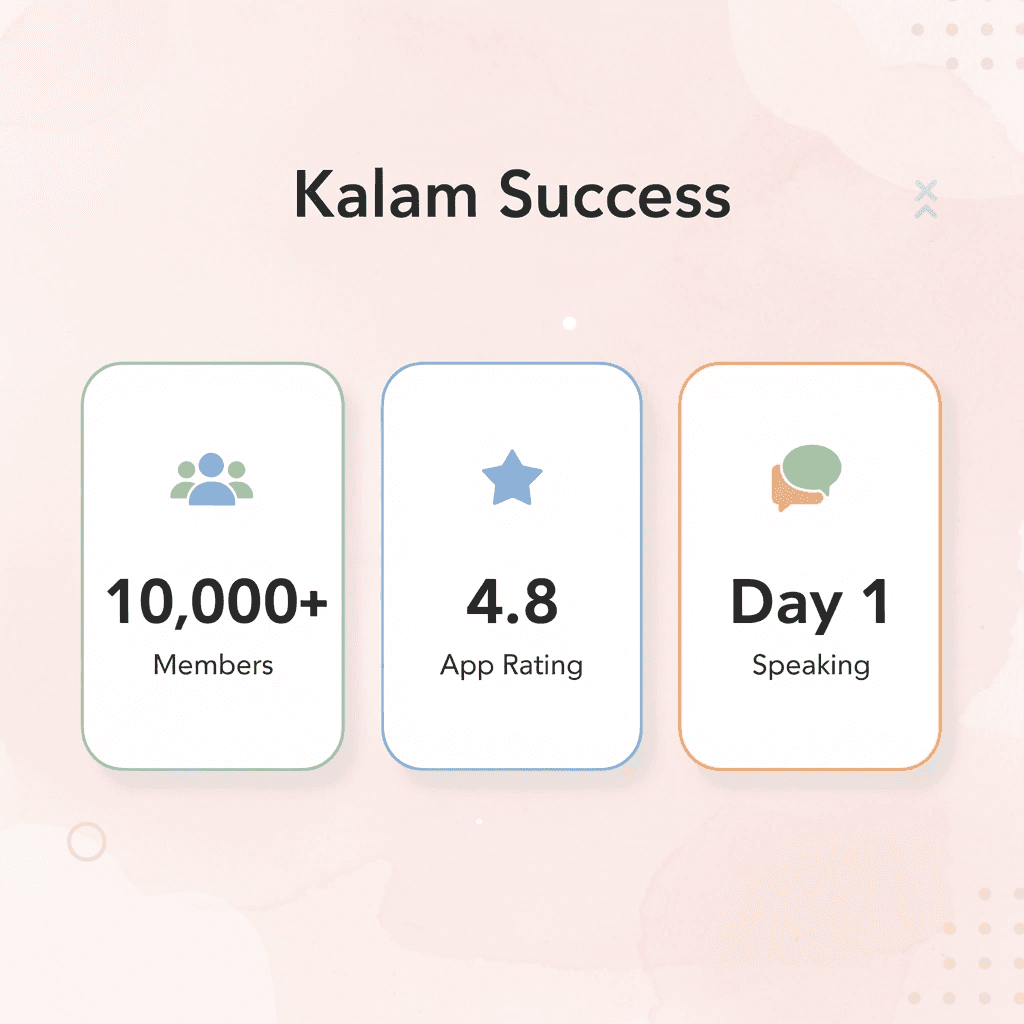
Positive user trust signals, including 10,000+ members and a 4.8 App Store rating
Cons
Focused exclusively on Arabic
Accessibility
Kalam is available as a free-to-start iOS app on the App Store with a 7-day trial. Pricing includes a Free plan with habit tracking, daily sessions, and community access; paid tiers start at $4.99–$9.99 per month for expanded libraries, full progress tracking, personalized plans, and advanced coaching. It runs on standard iOS devices with microphone access for speaking features and is designed for global users seeking convenient mobile practice.
2. Preply Business
Preply Business delivers customized one-on-one virtual language sessions to companies, matching lessons to employee job duties and personal schedules while connecting learners with certified instructors for targeted skill development.
Features
Personalized one-on-one lessons shaped by individual roles and goals
Flexible booking system that fits around work hours and time zones
Certified tutors selected for language expertise and teaching quality
Real-time progress dashboards for tracking proficiency gains
Dedicated account managers to guide program rollout and troubleshooting
Interactive supplemental materials and resources within the portal
Broad language support covering dozens of options for global teams
Pros
Exceptional scheduling freedom and role-specific customization accelerate workplace results
High user satisfaction with intuitive design and responsive support
Strong emphasis on measurable outcomes through detailed reporting
Tutors often speak the learner’s native language for clearer explanations
Cons
Focuses exclusively on virtual formats without in-person or group sessions
Enterprise pricing requires company-level commitment rather than individual access
Setup involves coordination with administrators for full deployment
Accessibility
Preply Business runs as a secure cloud platform reachable through any modern web browser, with mobile-friendly access for learners on the go. It serves businesses worldwide and uses custom enterprise pricing; companies must contact the company for demos, quotes, and tailored onboarding.
3. Boostclass
Boostclass employs artificial intelligence to review live or recorded language sessions, identify recurring patterns in teaching and student responses, and provide immediate feedback that sharpens instruction and boosts overall learning effectiveness.
Features
AI analysis of spoken interactions during classes
Instant performance insights delivered in real time
Pattern recognition to uncover strengths and improvement areas
Automated suggestions for teachers to refine their approach
Detailed progress logs for both instructors and learners
Enhanced interactivity that keeps sessions engaging
Data-driven adjustments tailored to group or individual needs
Pros
Transforms ordinary classes into highly interactive, personalized experiences
Provides actionable data that helps educators improve quickly
Supports measurable gains in student confidence and outcomes
Easy integration for existing teaching workflows
Cons
Primarily benefits instructors rather than solo self-learners
Limited visibility into the full feature set without a demo
Heavier focus on English-language instruction in current use cases
Accessibility
Boostclass is a cloud-based tool for educators and training programs, accessible via the web on standard devices. It targets schools and businesses; interested users contact the provider for pricing, trials, and setup details.
4. WordUp
WordUp is an innovative AI-powered mobile app dedicated to building a robust English vocabulary for learners of every background, using immersive contexts, visuals, and interactive practice to make word acquisition faster and more memorable.
Features
AI-generated explanations and usage examples in real contexts
Rich visual support through images, videos, and illustrations
Built-in pronunciation training with instant feedback
Personalized study paths based on user progress and goals
Interactive AI chat scenarios for practical application
Flashcard activities enhanced by spaced repetition
Tools for exam preparation, such as IELTS or TOEFL vocabulary
Pros
Turns vocabulary building into an enjoyable, visually rich experience
Strong focus on pronunciation and real-world usage improves retention
User-friendly interface suits beginners through advanced learners
AI elements like celebrity-style chats add motivation
Cons
Occasional app glitches or sync issues are reported by users
AI visuals and responses can sometimes feel inconsistent
Primarily centers on English rather than multiple languages
Accessibility
WordUp is available as a free-to-start app on iOS and Android devices, with optional paid upgrades or lifetime access. It works offline for core features and appeals to individual learners seeking convenient mobile practice anywhere.
5. Rosetta Stone Enterprise

Rosetta Stone Enterprise is a comprehensive learning management platform that provides businesses with blended tools and immersive content, enabling employees to build foreign-language proficiency through structured, self-paced modules and administrative oversight.
Features
Dynamic immersion method that teaches without native-language translations
TruAccent speech recognition for accurate pronunciation practice
Business-oriented vocabulary modules tailored to professional needs
Centralized dashboard for tracking team progress and completion
Graded assessments to measure skill advancement
Blended learning options combining digital lessons with support tools
Support for more than twenty major languages worldwide
Pros
Proven immersion approach builds strong foundational listening and speaking skills
Excellent pronunciation feedback helps users sound more natural
Robust admin tools simplify corporate training management
Reliable for consistent, scalable language programs
Cons
A repetitive format can feel monotonous without supplementary practice
Limited explicit grammar explanations may slow some learners
Higher cost for enterprise licensing compared to consumer apps
Accessibility
Rosetta Stone Enterprise is a web-based enterprise solution with desktop and mobile compatibility for learners, plus full admin controls. It is aimed at businesses and priced on a custom quote basis; companies request demos directly from the provider.
6. Talkpal
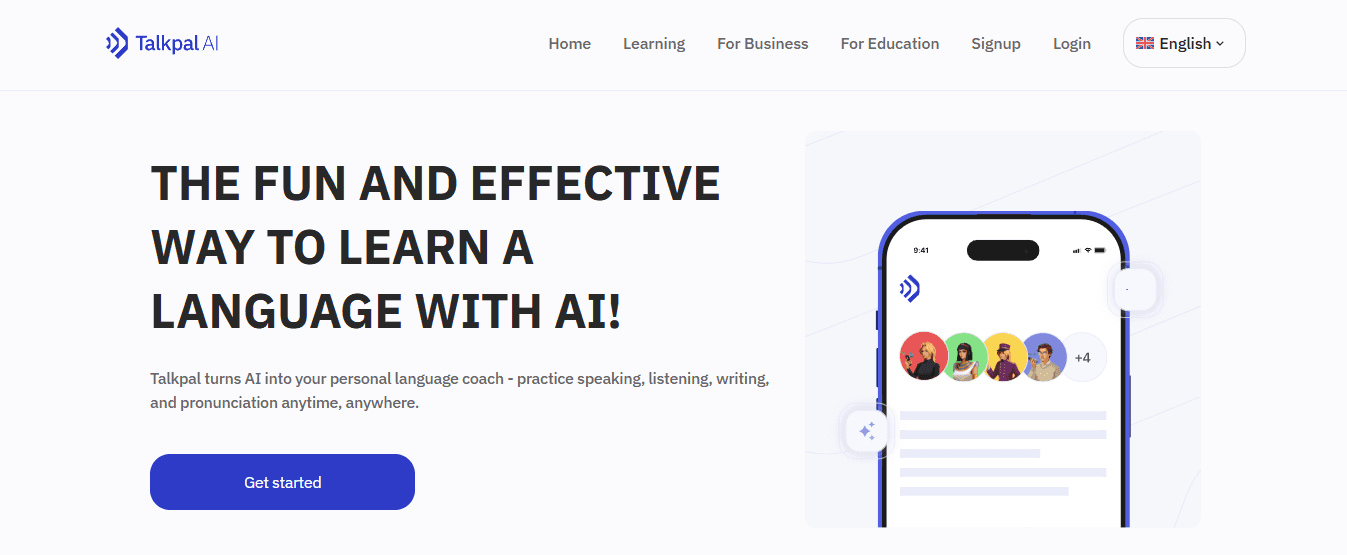
Talkpal provides a unified cloud-based AI platform that lets users practice and master multiple languages through conversational exercises, role-playing, and instant intelligent feedback in one streamlined environment.
Features
AI conversation partners simulating real-life dialogues
Diverse practice modes, including roleplay, debates, and photo descriptions
Advanced speech recognition with color-coded pronunciation scoring
Real-time grammar and vocabulary corrections
Personalized lesson adjustments according to proficiency level
Support for more than fifty languages in a single app
Freestyle chat options for spontaneous speaking practice
Pros
Highly engaging, speaking-focused activities build confidence quickly
Affordable pricing with strong value for conversation practice
Immediate feedback helps correct mistakes on the spot
Clean interface and multiple modes keep sessions varied
Cons
AI voices can sound somewhat robotic or less natural
Feedback accuracy occasionally falters on complex sentences
Better suited for intermediate users than absolute beginners
Accessibility
Talkpal runs on web, iOS, and Android platforms with both free and subscription plans (including annual discounts). It is globally available for individual learners and offers easy signup with optional premium upgrades for full features.
7. Busuu
Busuu is a comprehensive learning management platform for businesses, enabling organizations to track employee progress through a range of language courses that blend self-paced lessons, AI support, and community feedback for consistent skill development.
Features
Structured bite-sized lessons designed for quick daily sessions
AI-powered personalized study recommendations
Writing and speaking exercises reviewed by native speakers
Industry-specific content tailored for professional contexts
Detailed administrative dashboards for tracking team progress
Gamification elements, including points and streaks for motivation
Integrated review tools and multimedia resources
Pros
Cost-effective solution ideal for scaling across large employee groups
Standardized curriculum ensures uniform learning quality
Flexible self-paced format fits busy work schedules
Community interaction adds authentic feedback opportunities
Cons
Fewer live conversation options compared to tutor-based platforms
Limited language selection in some business packages
Customization depth may not match fully personalized one-on-one programs
Accessibility
Busuu for Business operates as a cloud-based platform with mobile and web access. It targets enterprises with subscription models scaled by user count; companies contact the provider for customized demos, pricing, and implementation support.
8. Babbel for Business
Babbel for Business delivers interactive language lessons through a user-friendly app that helps teams develop practical communication skills via engaging exercises focused on real-life and workplace scenarios.
Features
Practical dialogue-based lessons for everyday and business use
Speech recognition technology for pronunciation practice
Customizable learning paths adapted to team needs
Progress tracking and reporting tools for administrators
Short, focused modules that fit into tight schedules
Review sessions with spaced repetition techniques
Support for multiple languages with consistent quality
Pros
Intuitive interface makes learning approachable for all levels
Strong emphasis on conversational skills relevant to work
Flexible structure accommodates individual pacing within teams
Positive user feedback on ease and effectiveness
Cons
Less emphasis on deep grammar explanations
May require supplementary tools for advanced proficiency
Enterprise rollout involves coordination with training departments
Accessibility
Babbel for Business is available on the web, iOS, and Android platforms. It uses subscription-based enterprise pricing; businesses request quotes and demos directly from the provider for tailored onboarding.
9. goFLUENT
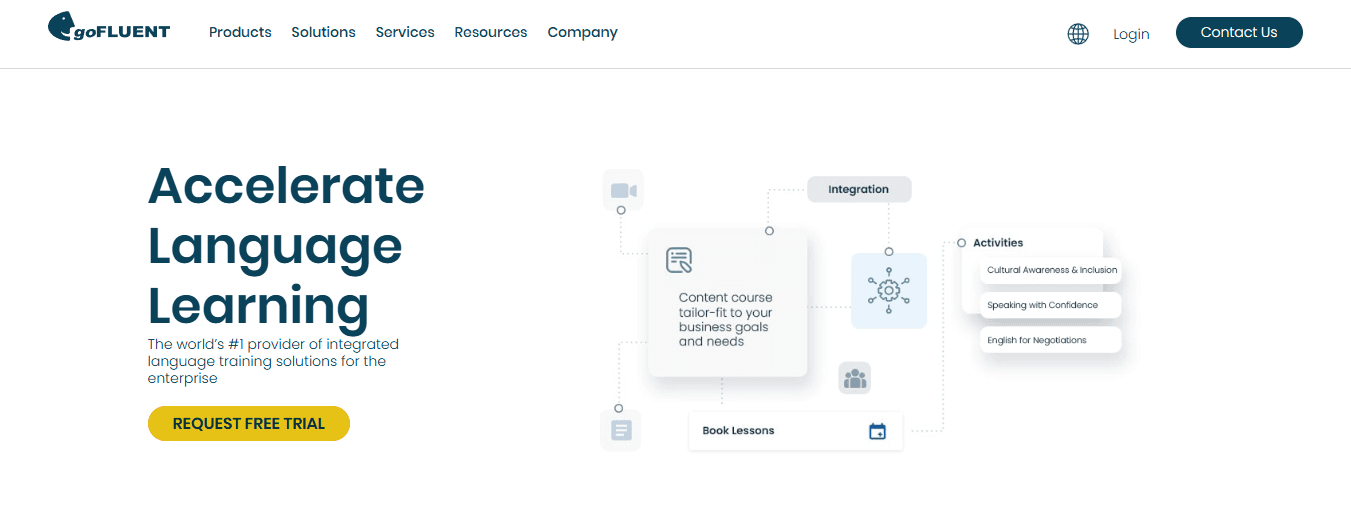
goFLUENT accelerates language acquisition with hyper-personalized programs that blend advanced technology, targeted content, and live human interaction to meet specific business communication goals.
Features
AI-driven e-learning platform with adaptive content recommendations
Live conversation classes with certified trainers
One-on-one and group lesson options
Specialized business writing and virtual coaching tools
Industry-specific resources for various professional sectors
Real-time progress monitoring using CEFR-aligned assessments
Blended options, including face-to-face training integration
Pros
Highly relevant content focused on workplace scenarios
Combines self-study flexibility with expert-led practice
Scalable for global teams across time zones
Strong support for measurable business outcomes
Cons
Premium positioning may involve a higher investment
Full benefits require active participation in live sessions
Setup complexity increases with larger or more customized deployments
Accessibility
goFLUENT functions as a comprehensive cloud-based solution accessible via web and mobile devices. It is designed for corporate clients with custom enterprise licensing; interested organizations schedule consultations for pricing and program design.
10. Mondly for Business
Mondly for Business provides a modern platform for companies to teach 41 languages using cutting-edge technology, including immersive lessons and practical tools that support professional development.
Features
Lessons powered by speech recognition and conversational AI
Job-specific vocabulary modules for various roles
Augmented reality and visual learning enhancements
Daily practice routines with quick, engaging activities
Progress analytics for administrators
Support for multiple proficiency levels
Integration of gamified elements to maintain motivation
Pros:
Innovative features like AR make sessions more dynamic
Useful professional vocabulary tailored to real needs
Affordable scaling for business environments
Short lessons promote consistent daily engagement
Cons
Some users note occasional technical glitches
Depth in advanced grammar may need external support
VR/AR elements depend on compatible devices
Accessibility
Mondly for Business (often via Pearson) is available through web and mobile apps. It offers enterprise plans with custom pricing; companies reach out for demos and tailored business solutions.
11. Kahoot!
Kahoot! transforms language practice into interactive game-based experiences, allowing users to create, join, and share fun quizzes and activities suitable for any subject, including languages, across all ages and devices.
Features
Easy creation of custom language learning games and quizzes
Real-time multiplayer competition for group engagement
Support for vocabulary, grammar, and comprehension practice
Visual flashcards and mini-games with spaced repetition
Integration into classrooms, training sessions, or remote teams
Analytics on participant performance
Accessibility on any device with no special software required
Pros
Highly engaging format boosts participation and retention
Versatile for both individual review and team activities
Free basic version available with premium upgrades
Works well as a supplementary tool alongside other platforms
Cons
Better suited for review and practice than core structured learning
Limited depth for complete beginner courses
A game-focused approach may not appeal to all learning styles
Accessibility
Kahoot! is fully web-based and mobile-compatible, with free and paid plans. It serves individuals, educators, and businesses; premium features require a subscription, while basic creation and play are widely accessible.
12. Open English
Open English functions as a training administration platform that enables companies to organize, schedule, and oversee language training programs for employees, with a strong emphasis on English proficiency through interactive lessons and performance analytics.
Features
Structured English courses are divided into multiple proficiency levels
Live online classes taught by native English-speaking instructors
Personalized learning paths focused on workplace communication
Industry-specific modules for sectors like business, marketing, and technology
Centralized dashboard for scheduling and tracking employee progress
Administrative tools for generating performance reports aligned with company goals
A combination of self-paced interactive lessons and instructor-led sessions
Pros
Highly effective for building practical English skills relevant to professional settings
Intuitive platform that supports various learning styles with diverse tools
Strong administrative oversight helps align training with business objectives
Positive feedback on completeness and real-world applicability
Cons
Primarily limited to English rather than offering a wide range of languages
Higher cost structure often involves annual commitments or bundles
Some users may prefer a more flexible self-study without mandatory live components
Accessibility
Open English operates as a cloud-based platform accessible via web browsers and mobile devices. It targets businesses and individual learners, especially in Latin America and the U.S. Hispanic market, with enterprise pricing available upon request—companies typically schedule demos for customized quotes and implementation.
13. OpenSesame
OpenSesame serves as a robust e-learning marketplace that helps organizations build productive workforces by providing access to an extensive catalog of courses, including language training, while supporting custom content creation and seamless integration with existing learning systems.
Features
A vast library of over 20,000–50,000 curated courses from multiple publishers
Inclusion of language learning and business communication modules
AI-powered recommendations to match courses with learner needs
Option to author and upload custom training content
Support for multiple languages in select courses (with English as primary)
Advanced search and filtering tools for easy course discovery
Integration capabilities with major LMS, LXP, and HCM platforms
Pros
Exceptional variety and depth of content across skills and compliance topics
Flexible options for blending pre-built courses with company-specific materials
Responsive support team and regular platform updates
Scalable solution suitable for global teams and diverse training requirements
Cons
Language course selection can feel more limited compared to dedicated language platforms
Focus leans toward broad workforce training rather than immersive language-only experiences
Some multinational users note gaps in non-English language options
Accessibility
OpenSesame is a cloud-based platform available through standard web browsers, with strong mobile compatibility for on-the-go learning. It mainly caters to enterprises with subscription models based on user volume or content access; interested organizations request pricing quotes and demos directly from the provider to set up a tailored setup.
Related Reading
Persian Vs Arabic
Best Way To Learn Arabic
How To Speak Arabic
Modern Standard Arabic
How to Choose the Best Memrise Alternative
Memrise attracts users with native-speaker videos, spaced repetition, and creative memory tricks for vocabulary retention. However, learners seek alternatives for stronger speaking practice, more balanced skill development, or lessons that move beyond flashcard-style memorization toward real conversational use. Evaluating language platforms by consistent criteria helps you find an option that supports your full learning journey.
🎯 Key Point: The best Memrise alternative depends on whether you prioritize conversation skills, comprehensive grammar, or interactive exercises over pure vocabulary memorization.
"85% of language learners report that speaking practice is their biggest challenge when using vocabulary-focused apps." — Language Learning Survey, 2024
⚡ Pro Tip: Test each platform's free trial for at least 7 days to experience their teaching style, not just their marketing promises.

Assessing Proven Effectiveness in Skill Development
Good Memrise alternatives build all core skills—speaking, listening, reading, and writing—through active practice rather than recognition and recall. They use speech recognition and guided exercises that create noticeable gains in practical fluency. This comprehensive approach ensures steady, usable progress. When platforms demonstrate consistent results through user experiences and built-in assessment, your study time translates into real communication ability rather than knowledge of isolated words.
Evaluating Depth and Relevance of Learning Content
Good alternatives teach lessons in layers with full conversations, grammar explanations, and cultural insights. They use real-life situations tied to travel, daily life, or work needs to make the material meaningful and support your progress. Content that matters helps vocabulary and structures connect naturally, strengthening retention and enabling easier application in everyday situations.
Reviewing Platform Design and User Experience
An easy-to-use, responsive interface with smooth video and audio playback, simple navigation, and mobile optimization lets you focus on learning without technical distractions. Leading options also support offline access for convenient practice anytime. Clean design encourages frequent use and consistent habits, maximizing the value of each session.
Examining Personalized Paths and Flexibility
The best alternatives adjust to your starting point with placement tests, let you skip known material, and adapt speed to your schedule and goals. Focused review features target areas where you need more help. This flexibility respects individual needs while providing structure, keeping learners motivated, and enabling more precise skill development.
Exploring Engagement Features and Interactive Tools
Good alternatives mix different exercises, quick feedback, and speaking opportunities to keep lessons interesting and prevent memorization fatigue. These elements transform passive review into active language use, building confidence in real conversations. For Arabic learners seeking conversation practice beyond Memrise's video-and-memory-trick approach, Kalam is a strong fit. Trusted by over 10,000 members worldwide and rated 4.8 on the App Store, the platform focuses on building practical speaking skills through manageable daily sessions, without relying heavily on flashcards or memory tricks. When tools make practice fun and rewarding, motivation stays strong, and learners gain fluency faster.
Analyzing Pricing Transparency and Overall Value
Clear pricing with no hidden upgrades or paywalls for important features lets you compare cost against tool depth and expected results. Good alternatives offer solid free options or flexible plans that provide complete learning experiences. Clear value builds trust. When what you pay matches the quality and results you receive, your investment supports steady progress rather than frustration with limitations.
Checking Progress Tracking and Performance Insights
Easy-to-use dashboards show your learning progress, skill improvements, and personalized recommendations for next steps. Other options include streaks, mastery indicators, and summary reports that highlight your achievements and areas for improvement. Reliable tracking transforms your daily work into clear goals, helping you stay accountable, adjust strategies intelligently, and build confidence in your language skills. One platform that works well for Arabic learners is Kalam. The conversation coach features short, focused daily lessons with practical conversation practice across multiple dialects. But picking the right option only matters if you use it regularly to see results.
Related Reading
Basic Arabic Phrases
Arabic Basics
Best App To Learn Arabic
Arabic Vs Hebrew
Arabic Vowels
Urdu Vs Arabic
Learn Arabic in Any Dialect Today with Kalam
Doing the same practice every day turns downloaded apps into real progress. The difference between learners who reach fluency and those who abandon apps after three weeks comes down to whether speaking practice feels like a chore or a natural part of the day.

🎯 Key Point: Most language apps keep you busy with vocabulary drills and streak counters that measure how much you do instead of how well you can do it. Platforms like Kalam flip that model by treating every session as conversation practice, building the muscle memory and pronunciation reflexes that turn hesitant pauses into smooth exchanges. Short daily speaking drills across Egyptian, Levantine, Gulf, or Maghrebi dialects mean you practice the exact phrases and sounds you will use in Cairo markets, Beirut cafes, or Dubai offices.
"Progress happens when you stop collecting words and start using them with real-time feedback and context-specific practice." — Language Learning Research, 2024
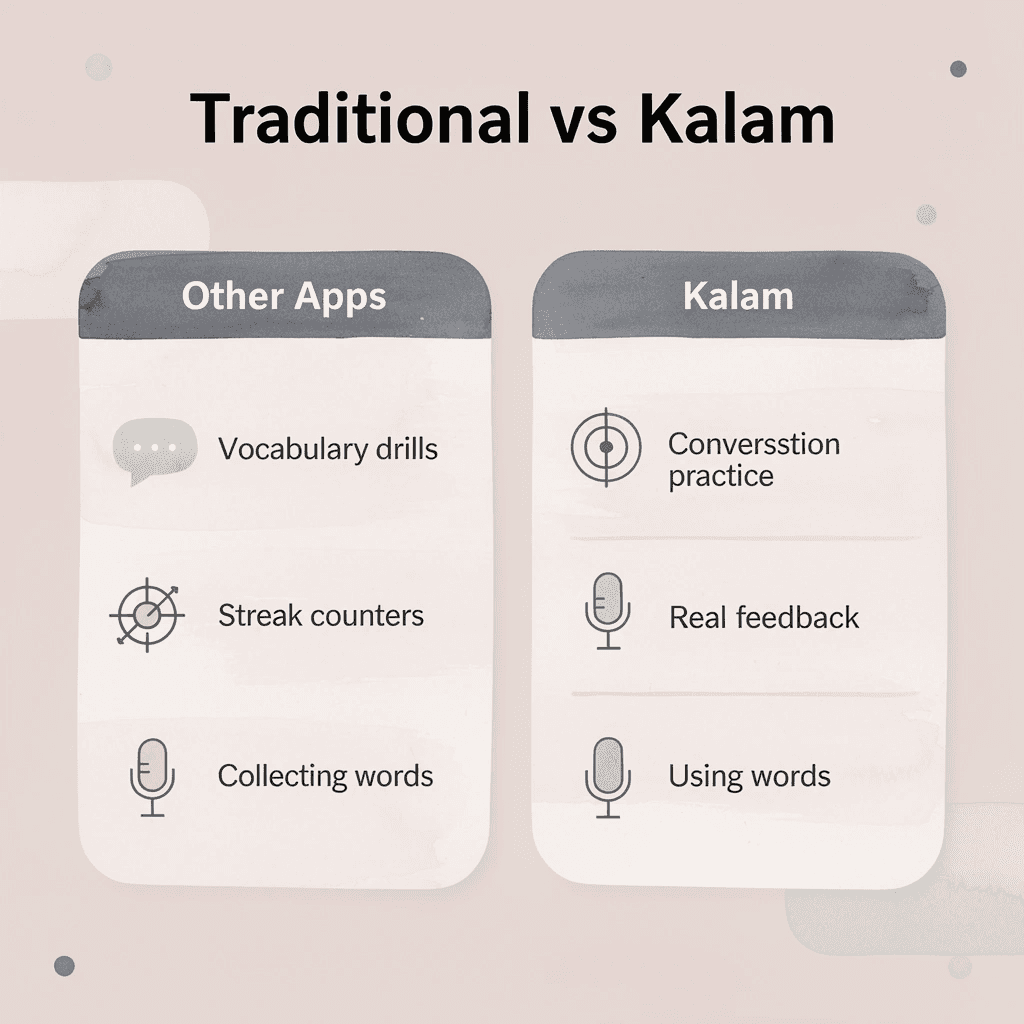
Progress happens when you stop collecting words and start using them. Kalam gives you immediate pronunciation feedback via speech recognition, scoring your accent in real time. Interactive AI partners respond to your spoken Arabic in context-specific dialogues, simulating conversations with native speakers without the pressure of live mistakes. Video lessons introduce authentic speech rhythms, while meaning breakdowns ensure you understand not just what to say but why and when it fits.
Kalam Feature | Benefit |
|---|---|
Real-time pronunciation scoring | Immediate accent feedback |
AI conversation partners | Practice without pressure |
Dialect-specific content | Region-appropriate phrases |
Video lessons | Authentic speech patterns |

💡 Tip: Trusted by over 10,000 members worldwide and rated 4.8 on the App Store, Kalam proves that speaking Arabic becomes easy when practice prioritizes conversation from day one. Whether you need workplace communication for business in the Middle East, travel preparation for specific regions, family connections in Arabic-speaking countries, or want to escape textbook methods, short daily sessions deliver conversational results that passive vocabulary apps cannot match.
⚠️ Warning: Ready to move beyond flashcards and actually speak? Start learning Arabic today with Kalam.