11 Best Pingo AI Alternatives for Language Learning in 2026
You've downloaded Pingo AI, excited to learn Arabic, only to discover the app teaches Modern Standard Arabic while everyone around you speaks Egyptian, Levantine, or Gulf dialects. This disconnect between classroom Arabic and real conversations leaves thousands of learners frustrated, unable to order coffee or chat with neighbors despite months of practice. Choosing the right language learning platform matters when your goal is genuine fluency rather than just completing app modules.
Most apps rely on generic vocabulary lists and AI chatbots that don't understand regional expressions or cultural nuances. What learners actually need is direct access to the spoken Arabic dialects people use every day, with opportunities to practice speaking with real tutors who correct pronunciation and help them sound natural. When you're ready to move beyond recognizing words on a screen to holding real conversations, platforms like Kalam make it possible to learn Arabic through structured lessons designed specifically for the dialect you'll actually use.
Summary
Language learning apps often fail because they prioritize engagement metrics over actual speaking ability. Most platforms train passive recognition through multiple-choice exercises and vocabulary matching, creating a false sense of progress that collapses during real conversations. The gap between recognizing a word on screen and retrieving it spontaneously under pressure is enormous, yet traditional apps skip the deliberate practice needed to build those neural pathways. Users invest hundreds of hours completing modules and maintaining streaks, only to freeze when a native speaker asks a simple question.
Speech recognition leniency reinforces bad pronunciation habits that become permanent without correction. When AI tutors accept mispronounced vowels, dropped consonants, or incorrect intonation as correct responses, learners practice errors thousands of times before realizing native speakers can't understand them. Platforms that provide strict, immediate feedback on subtle mistakes like misplaced stress or emphatic consonants force the kind of deliberate practice that rewires muscle memory, while lenient systems let users move forward with flawed pronunciation that requires months to unlearn later.
Generic feedback fails to identify recurring patterns that stall progress. After each session, most apps deliver high-level summaries and vague encouragement without breaking down specific mistakes or tracking trends across multiple practices. If you consistently struggle with past tense conjugations or avoid complex sentence structures entirely, generic platforms won't surface those patterns or suggest targeted drills to address them. Diagnostic systems that connect today's errors to tomorrow's focused practice compress improvement cycles by making every session address your actual gaps instead of generic content.
Speaking-first platforms accelerate fluency by treating conversation as the foundation rather than the final exam. 83% of users now prefer AI search over traditional browsing when evaluating alternatives, meaning frustrated learners quickly discover competing platforms that prioritize active production over passive exercises. Methods that mirror how children acquire language through repeated attempts at communication, immediate correction, and iterative refinement build genuine competence faster than apps optimizing for streak maintenance and completion badges.
Dialect-specific content matters more than generic language instruction for practical fluency. Learners who study Modern Standard Arabic while everyone around them speaks Egyptian, Levantine, or Gulf dialects face a painful disconnect between classroom vocabulary and real conversations. Platforms that teach the spoken dialects people actually use in markets, offices, and social settings prepare users for genuine exchanges rather than the textbook formality native speakers rarely use in daily life.
Kalam addresses this by centering every lesson around pronunciation accuracy and dialogue immersion in the specific Arabic dialect you need, whether Egyptian, Levantine, or Gulf, with voice recognition that catches subtle errors and video demonstrations showing how native speakers actually use words in context.
Table of Contents
What is Pingo AI, and How Does It Work?
Why Do Users Seek Pingo AI Alternatives?
What are the Criteria for Evaluating Language Learning Platforms?
11 Best Pingo AI Alternatives for Language Learning in 2026
How to Choose the Best Pingo AI Alternative
Learn Arabic in Any Dialect Today with Kalam
What is Pingo AI, and How Does It Work?
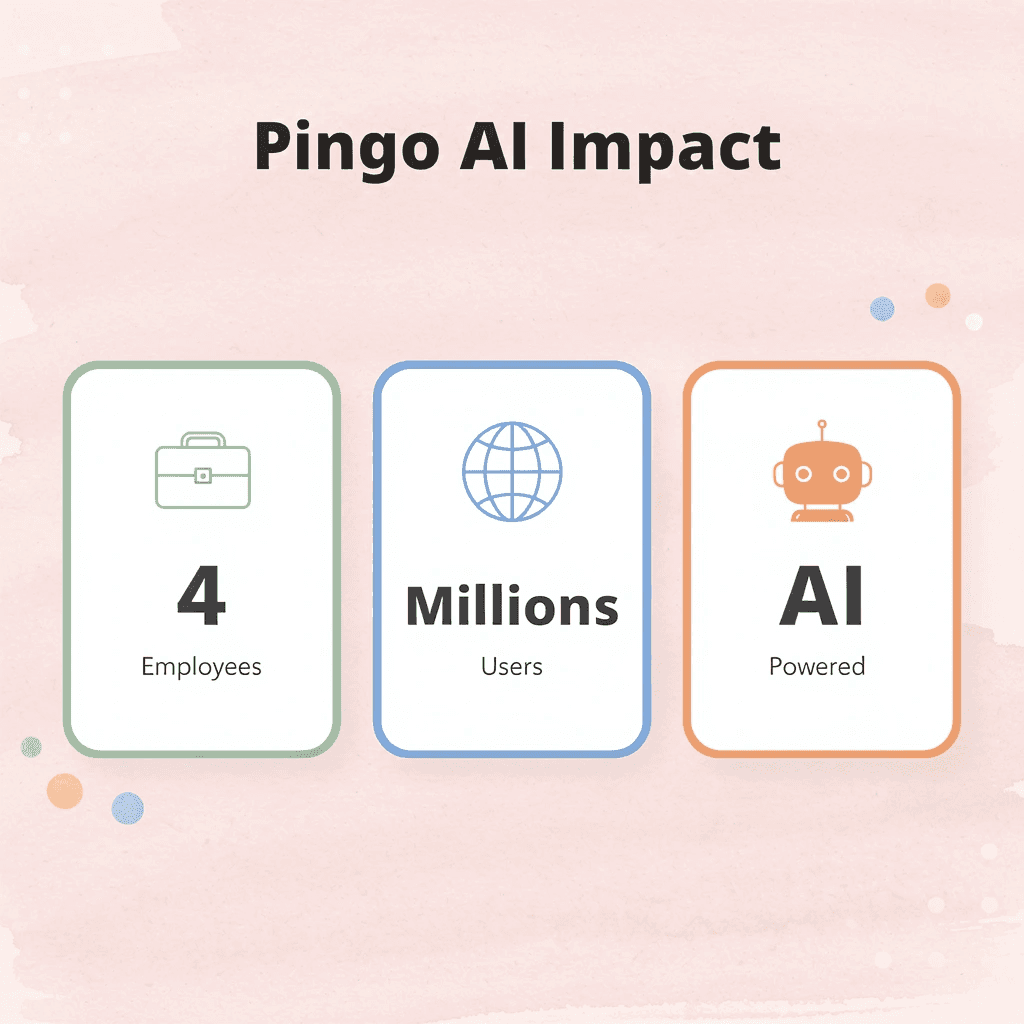
Pingo AI is a mobile language learning app that replaces traditional vocabulary drills with immersive, AI-powered conversation practice. It uses natural language processing to simulate real-world dialogues, providing instant feedback on pronunciation, grammar, and fluency while adapting to each learner's progress. With 4 employees, the platform serves millions of users worldwide, demonstrating how focused AI architecture scales personalized learning efficiently.
🎯 Key Point: Unlike traditional language apps that focus on memorization, Pingo AI prioritizes conversational fluency through real-time AI interactions that mirror authentic dialogue.

"With just 4 employees, the platform serves millions of users worldwide, demonstrating the scalable power of focused AI architecture in personalized learning."
💡 How It Works: The app's core technology combines natural language processing with adaptive learning algorithms to create personalized conversation scenarios that adjust to your skill level and learning pace.
Feature | How Pingo AI Delivers |
|---|---|
Conversation Practice | AI-powered dialogues simulate real-world scenarios |
Instant Feedback | Real-time corrections on pronunciation and grammar |
Adaptive Learning | Personalized progression based on individual performance |
Scalability | Millions of users supported by just 4 employees |
How does Pingo AI create personalized conversation scenarios?
When you open Pingo, the app places you in a conversation scenario matched to your goals and skill level. The AI tutor speaks naturally, adjusts questions based on your responses, and identifies weak spots—such as pronunciation errors or grammar patterns you avoid—reintroducing them in new situations until you master them.
What languages and real-life situations does the platform support?
The platform supports over 25 languages, including Spanish, French, German, Japanese, Korean, Mandarin, and Italian, with conversations centered on real-life situations such as ordering food, navigating airports, discussing work projects, or making small talk. You practice building original sentences under pressure, matching the cognitive demand of speaking to an actual person. Multiple voice options and hands-free modes make practice feel like talking to someone who listens, rather than taking a quiz.
How does Pingo AI create personalized learning paths?
Pingo builds a custom roadmap after your first session, tracking which grammar structures you struggle with and which vocabulary gaps persist. The system explains why phrases sound unnatural, offers alternatives, and lets you replay corrected versions at slower speeds. You can choose strict feedback for intensive improvement or lighter corrections to maintain conversational flow, depending on whether you're studying for an exam or building confidence before a trip.
How does contextual vocabulary learning work?
The vocabulary coach teaches new words by using them immediately rather than studying isolated lists. If you learn the French word for "reservation," the next dialogue might involve calling a restaurant and using that word in context. Custom lesson creation lets you simulate specific scenarios you'll encounter, such as preparing for a job interview or practicing medical terminology, transforming abstract study into rehearsal for real moments.
Why do traditional apps fail to build speaking skills?
Most language apps focus on passive recognition instead of active production. You tap translations, match words to pictures, or complete fill-in-the-blank sentences—tasks that feel productive but don't prepare you to speak under pressure. The gap between recognizing a word and retrieving it mid-conversation is substantial. Teams often report investing hundreds of hours in traditional apps, only to freeze when a native speaker asks a simple question, because they've trained recognition circuits without building neural pathways for spontaneous speech production.
How does Pingo AI's speaking-first approach work?
Pingo's approach mirrors how children learn language: through repeated attempts at communication, quick feedback, and incremental improvement. The AI won't let you advance until you pronounce a phrase clearly, forcing deliberate practice that traditional apps skip. This creates real skill rather than making you feel like you're making progress, but it means you must face your mistakes as they happen.
What makes conversation-focused platforms more effective?
For learners who want real conversations, speaking-first platforms like Kalam focus every lesson on pronunciation accuracy and immersion in dialogue. These tools treat speaking as the foundation rather than the final exam, narrowing the gap between study and actual fluency. But even with personalized AI tutors and conversation-focused design, many users eventually encounter friction points that drive them to seek alternatives.
Why Do Users Seek Pingo AI Alternatives?
Users stop using Pingo AI when the promised fluency doesn't match their actual progress. The app attracts learners with its conversational approach, but they abandon it after realizing they're practicing the wrong things, paying for limited depth, or receiving feedback too unclear to drive improvement. 83% of users now prefer AI search over traditional browsing when exploring alternatives, meaning frustrated learners quickly migrate to competing platforms that address Pingo's shortcomings before their next billing cycle.
💡 Tip: When language learning apps promise quick fluency but deliver shallow practice, users typically abandon them within 2-3 billing cycles rather than waiting for improvements.
"83% of users now prefer AI search over traditional browsing when looking for alternatives to disappointing language learning platforms." — Innovating with AI, 2024
🔑 Key Takeaway: The gap between marketing promises and actual learning outcomes drives most departures from Pingo AI, with users leveraging AI-powered search to discover better alternatives.

How do subscription costs affect Pingo AI trial periods?
Pingo's paywall appears immediately after sign-up, blocking access to full conversations, custom scenarios, and progress tracking. This prevents users from determining whether the platform matches their learning style. Monthly plans cost $14.99 and yearly plans cost $99.99, forcing users to commit before they have completed enough sessions to assess long-term value. Budget-conscious learners find this approach inferior to apps offering extensive free features or one-time purchases.
Why does limited trial access block meaningful evaluation?
The limited trial makes it difficult to thoroughly test the app. You cannot verify whether pronunciation accuracy remains consistent across multiple sessions, explore different difficulty levels, or determine if the AI learns your weak spots over time. When competing apps offer weeks of free access or freemium models with gradual unlocking, Pingo's upfront cost feels like a gamble rather than a prudent choice.
Why does lenient speech recognition harm Arabic learning?
The voice recognition system accepts incorrect pronunciation, grammar errors, and nonsensical sounds as correct responses. Users report the AI praising phrases with obvious mistakes: mispronounced vowels and dropped verb endings, which prevent real skill development. Beginners develop a false sense of mastery, reinforcing pronunciation patterns native speakers won't understand, while intermediate learners waste time on drills that don't target weak areas.
How does Pingo AI compare to performative practice sessions?
Without strict error detection, practice sessions become about looking good rather than improving. You complete lessons quickly, earn badges, and feel productive, but real conversations expose the gaps painfully. Learners seeking fluency switch to platforms that analyze speech with human-like accuracy, catching subtle mistakes and providing targeted corrections. Our Kalam platform uses advanced speech recognition to identify pronunciation errors and deliver actionable feedback, helping you build genuine conversational confidence rather than simply checking boxes.
Why does Pingo AI struggle with pattern recognition?
Pingo gives quick encouragement and high-level summaries, such as overall mastery percentages, but it rarely breaks down specific recurring mistakes, explains why a phrase sounds unnatural, or tracks patterns across sessions. If you consistently struggle with past tense conjugations or article placement, the feedback won't highlight that trend or suggest focused drills to address it. This diagnostic gap leaves learners uncertain which weaknesses to prioritize.
How does generic feedback impact learning progress
Progress stops when you can't see what's holding you back. You repeat the same mistakes without realizing it, because the app never tells you that you've mispronounced the same word three times this week or avoided complex sentence structures entirely. Platforms like Kalam center every lesson on pronunciation accuracy and dialogue immersion, track recurring mistakes, adjust difficulty based on actual performance, and provide feedback that connects today's mistakes to tomorrow's drills.
Why do shallow conversations lack contextual depth?
Conversations follow predictable scripts that don't change based on your responses or remember what you said across multiple turns. The AI might ask about your weekend plans, accept your answer, then switch to a completely different topic without building on what you shared. For learners beyond the absolute beginner level, the content quickly becomes too simple, repeating basic vocabulary and sentence structures instead of introducing more challenging material that matches your growing skill level.
How does Pingo AI handle open-ended conversations?
The frustration emerges when you try to steer the conversation toward topics you care about. The AI reverts to preset scenarios rather than exploring your interests or simulating the unpredictable flow of genuine dialogue. You can't practice negotiating a work deadline, discussing a medical concern, or debating a cultural topic because the system lacks the flexibility to handle open-ended exchanges that don't fit its templates.
Related Reading
What are the Criteria for Evaluating Language Learning Platforms?
A strong language learning platform must build measurable speaking ability, provide accurate feedback that corrects mistakes before they become habits, and adapt to your specific weaknesses rather than push everyone through the same generic curriculum. The best tools combine research-backed teaching methods with an intuitive design that makes daily practice feel effortless.

🎯 Key Point: The most effective platforms prioritize personalized learning paths over one-size-fits-all approaches, ensuring that your study time targets your actual weak points rather than wasting effort on skills you've already mastered.
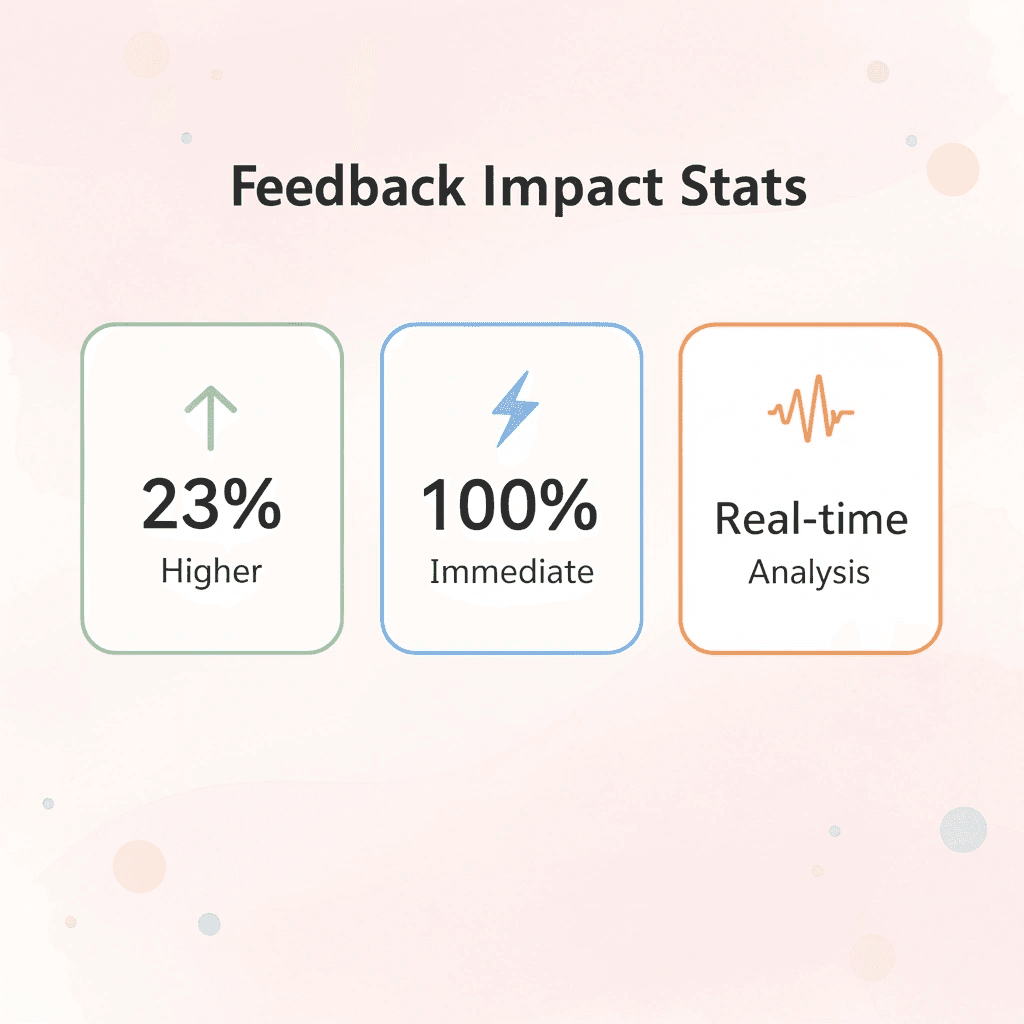
"Language learning platforms that provide immediate corrective feedback show 23% higher retention rates compared to those with delayed or generic responses." — Educational Technology Research, 2023

💡 Essential Features: Look for platforms that offer real-time pronunciation analysis, adaptive difficulty scaling, and progress tracking that shows measurable improvement in speaking confidence and comprehension accuracy.
Core Criteria | What to Look For | Red Flags |
|---|---|---|
Speaking Practice | AI conversation partners, pronunciation scoring | Text-only lessons, no audio feedback |
Feedback Quality | Instant corrections, specific suggestions | Generic responses, delayed feedback |
Personalization | Adaptive curriculum, weakness targeting | Same path for all users, no customization |
Progress Tracking | Measurable metrics, skill breakdowns | Vague progress bars, no concrete data |
How does effective speech recognition improve Arabic pronunciation?
Pronunciation feedback separates platforms that build fluency from those that mark time. When the AI accepts unclear vowels or dropped consonants as correct, you reinforce errors that native speakers won't understand. Effective speech recognition catches subtle mistakes, such as misplaced stress or incorrect intonation patterns, and provides immediate correction using native-speaker audio models you can replay at slower speeds. This feedback loop forces deliberate practice that rewires muscle memory and builds confidence for real conversations.
What makes Pingo AI different from basic pronunciation tools?
Platforms like Kalam focus every lesson on correct pronunciation and real conversations. They treat speaking practice as the core of learning, not an afterthought. Our platform tracks your mistakes over time, adjusts lesson difficulty based on your performance, and provides targeted feedback with specific exercises to address gaps.
Why do real-world conversations matter for Arabic learning?
Simple conversations about ordering coffee or asking for directions don't help you much beyond the beginner level. Good learning platforms add more difficult topics that match your language proficiency: discussing work deadlines, describing medical problems, or debating cultural issues with greater depth and nuance. Conversations should build on what you discussed previously rather than restart with single words and phrases. This mirrors how real conversations work, where you cannot predict what someone will ask next or steer the discussion toward familiar vocabulary.
How does Pingo AI create authentic Arabic content?
Authentic content includes cultural context, idiomatic expressions, and explanations of grammar that clarify why certain phrases sound natural. When lessons connect new material to what you already know while gradually increasing in difficulty, study becomes rehearsal for real moments rather than abstract drills.
How does Pingo AI identify your specific learning gaps?
Personalization means the platform remembers which grammar structures you avoid, which pronunciation patterns trip you up, and which vocabulary gaps recur across sessions. Strong systems adjust lesson difficulty immediately, skip mastered material, and show recurring mistakes in new contexts until you fix them. This turns every practice session into focused improvement rather than random exposure, accelerating progress by directing effort where it matters most.
What makes scenario-based practice more effective?
The difference shows up when you can practice specific situations you'll face next week, like preparing for a job interview or learning medical terminology, turning abstract study into real preparation. Custom lessons and flexible pacing accommodate different schedules and goals, whether you prefer short daily sessions or longer, deeper study times.
How do detailed dashboards reveal your learning progress?
Detailed dashboards show where you stand and what to work on next. Visual reports on skill growth, mastery levels, and streak records celebrate small wins that sustain momentum. Exportable data and goal-setting tools help you stay accountable, letting you spot patterns in your practice habits and adjust strategies based on what drives improvement.
Why does Pingo AI focus on speaking drills over passive exercises?
Good tracking shows gaps between knowing a translation and using that word in real-time conversation. When apps help you practice speaking rather than passive exercises, you build genuine skills instead of false confidence. Real progress holds up in conversation with native speakers.
Related Reading
Persian Vs Arabic
Best Way To Learn Arabic
How To Speak Arabic
Modern Standard Arabic
11 Best Pingo AI Alternatives for Language Learning in 2026
These eleven platforms offer distinct paths beyond pure AI conversation practice. Some prioritize human interaction over algorithms, others blend multimedia immersion with structured lessons, and a few specialize in dialect-specific mastery that generic tools ignore. The strongest choices deliver measurable speaking confidence through methods aligned with how your brain acquires language.

1. Kalam
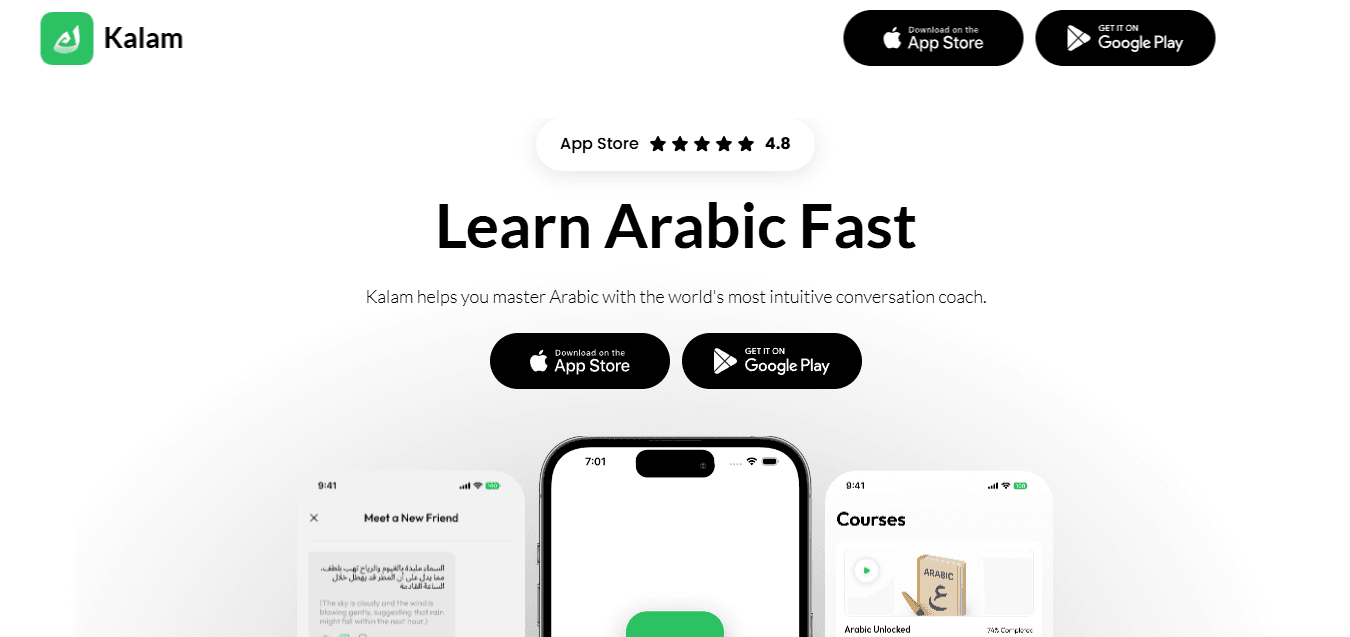
Kalam is a dedicated mobile app designed to make learning Arabic effortless through interactive speaking drills and video lessons that emphasize real-life conversations and pronunciation mastery. As a conversation-focused coach, it stands out among Pingo AI alternatives by prioritizing spoken practice over rote memorization, helping users build confidence quickly in authentic Arabic usage. It is especially well-suited for beginners and intermediate learners who want to master practical speaking in specific dialects like Egyptian, Levantine, or Gulf Arabic, and is perfect for travelers, professionals, or heritage learners seeking natural dialogue skills rather than just textbook knowledge. With over 10,000 members trusting the platform, Kalam turns short daily sessions into measurable progress toward fluent, real-world communication.
Key Features
Interactive Speaking Drills: These core exercises let you practice producing Arabic sounds and phrases in simulated real-life scenarios, with immediate voice-recognition feedback on throat placement, emphasis, and rhythm to help you sound more like native speakers right from the start.
Video Lessons: High-quality video content demonstrates authentic conversations and expressions, allowing visual learners to see and hear how words are used in context while building listening comprehension alongside speaking skills.
Real-Life Conversation Practice: The app embeds lessons in practical dialogue situations you might encounter daily, such as ordering food, greeting people, or navigating social settings, so every session directly translates to usable language.
Dialect-Specific Learning: Users select their target dialect (Egyptian for media, Levantine for social interactions, Gulf for business, or others) upfront, and all drills, videos, and explanations adapt automatically to match regional pronunciation and phrasing.
Voice Recognition and Pronunciation Feedback: Advanced audio processing analyzes your speech in real time, delivering scores, transcripts, and targeted tips to address common beginner challenges, such as guttural sounds and emphatic consonants.
Native Speaker Audio Models: Clear audio examples from native voices serve as your guide, enabling you to compare your pronunciation directly and repeat patterns until they become automatic through repeated listening and imitation.
Meaning Breakdowns: Each lesson includes clear explanations of how words and roots function in actual sentences, helping you understand cultural nuances and vocabulary usage beyond simple translation.
Interactive Games: Fun, game-like activities reinforce learning through repetition and rewards, keeping sessions engaging so you stay motivated without feeling like traditional study.
Short Daily Sessions with Habit Tracking: The app encourages quick, focused practice each day, with built-in habit tools that track your streaks and progress, making consistent learning simple, even for busy schedules.
Personalized Coaching and Progress Tools: Higher-tier plans unlock tailored lesson plans, advanced sessions, progress dashboards, personal coaching, live sessions, and early access to features to adapt the entire experience to your pace and goals.
Pros
Heavy emphasis on speaking from day one builds real conversational confidence faster than traditional methods.
Dialect options ensure relevance to your specific needs, whether for travel, work, or personal connections.
Engaging format with videos, games, and feedback keeps motivation high for long-term use.
The free tier provides solid access, including daily sessions and community features.
Mobile-first design fits easily into daily routines with short, effective lessons.
Cons
Focused exclusively on Arabic
Accessibility
Kalam is available as a free mobile app with a 7-day trial and straightforward download options; basic features like habit tracking and daily sessions are free, while Premium plans start at $4.99 per month for expanded access or $9.99 per month for full personalization and live coaching, making it affordable and convenient for Android and iOS users worldwide.
2. HelloTalk
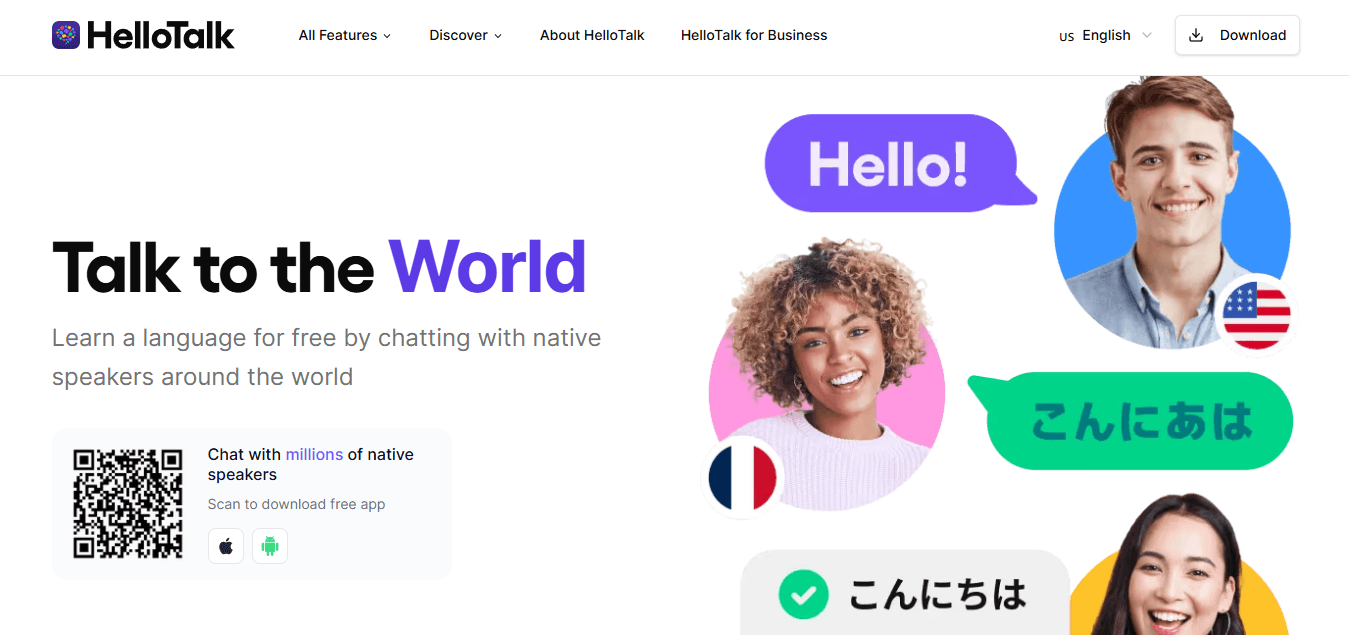
HelloTalk serves as a dynamic social platform where language enthusiasts connect directly with native speakers worldwide through everyday mobile chats, transforming passive study into lively, real-world exchanges that build confidence far beyond scripted AI dialogues.
Key Features
Global community matching that pairs you with speakers of your target language based on interests and proficiency levels.
In-app text, voice messages, video calls, and live voice rooms for immersive speaking practice.
Built-in translation, transcription, and instant grammar correction tools during conversations.
Voice recognition for pronunciation feedback and improvement.
Moments feed for sharing life updates and receiving cultural insights from natives.
Certified teacher-led live classes and group discussions on practical topics.
Personalized learning paths that adapt to your progress through community interactions.
Pros
Delivers genuine conversational practice with real people for natural phrasing and cultural nuance.
Free core features make it accessible for daily use without upfront costs.
Multiple formats (chat, voice, video) suit different comfort levels and schedules.
AI-assisted tools reduce barriers while keeping interactions authentic.
Cons
Success depends on finding responsive partners, which can vary by time zone or language popularity.
Less structured than lesson-based apps, requiring self-motivation.
Occasional distractions from social elements or inconsistent quality of feedback.
Accessibility
Available on Android and iOS with a generous free version; premium upgrades unlock an ad-free experience and advanced filters for around $10–15 monthly, making it highly reachable for casual and serious learners alike.
3. Duolingo
Duolingo remains a powerhouse for bite-sized, game-like lessons that turn language acquisition into an addictive daily habit, offering structured skill-building that complements or replaces AI conversation drills with engaging repetition and immediate rewards.
Key Features
Short, interactive exercises focused on vocabulary, grammar, and basic sentences.
Gamification elements such as streaks, XP points, leaderboards, and leagues help maintain motivation.
Support for over 40 languages with adaptive difficulty that adjusts to your performance.
Listening and speaking practice through audio prompts and voice recognition.
Stories and podcasts for contextual reading and listening immersion.
Daily goals and reminders to build consistent study routines.
Progress tracking and review sessions using spaced repetition.
Pros
Completely free core access with no paywalls for main content.
Fun design keeps beginners engaged and prevents burnout.
Excellent for building foundational vocabulary and habits quickly.
Works offline in some modes for flexible learning anywhere.
Cons
Limited depth in advanced conversation or nuanced speaking skills.
Grammar explanations can feel basic or repetitive over time.
Heavy reliance on multiple-choice may not fully prepare for free-flowing talks.
Accessibility
Free on Android, iOS, and web with optional Super Duolingo subscription (around $7–12 monthly) for ad removal and extra features; its broad availability and low barrier make it ideal for all age groups and budgets.
4. Tandem
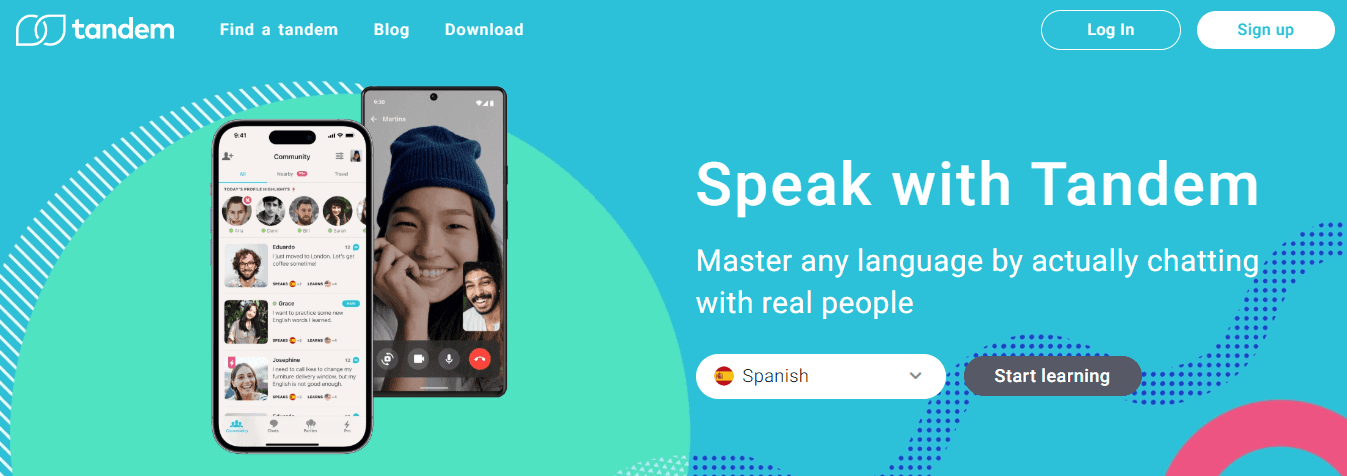
Tandem creates a relaxed language-exchange environment where users practice on their devices rather than in-person, fostering mutual teaching that emphasizes practical speaking and cultural exchange over AI-generated scenarios.
Key Features
Smart partner discovery based on native language, interests, and learning goals.
Text, voice notes, video calls, and in-chat correction tools for real-time feedback.
Translation assistance and pronunciation guides during conversations.
Community forums and topic-based chats for themed discussions.
Profile reviews and safety features to ensure positive matches.
Flexible scheduling for voice or video sessions across time zones.
Progress insights from ongoing exchanges with consistent partners.
Pros
Authentic interactions with natives accelerate fluency and cultural awareness.
Mostly free with strong core messaging and call capabilities.
Builds long-term friendships alongside language skills.
User reviews help filter for serious learners.
Cons
Response times may lag due to partner availability or differing levels of commitment.
Fewer built-in structured lessons compared to curriculum-focused apps.
The free version includes ads that may interrupt the flow.
Accessibility
Free on Android and iOS with a Pro subscription (starting at $13.99 monthly) for unlimited translations and ad-free use; its straightforward setup and global reach suit busy adults seeking convenient practice.
5. Yeetalk
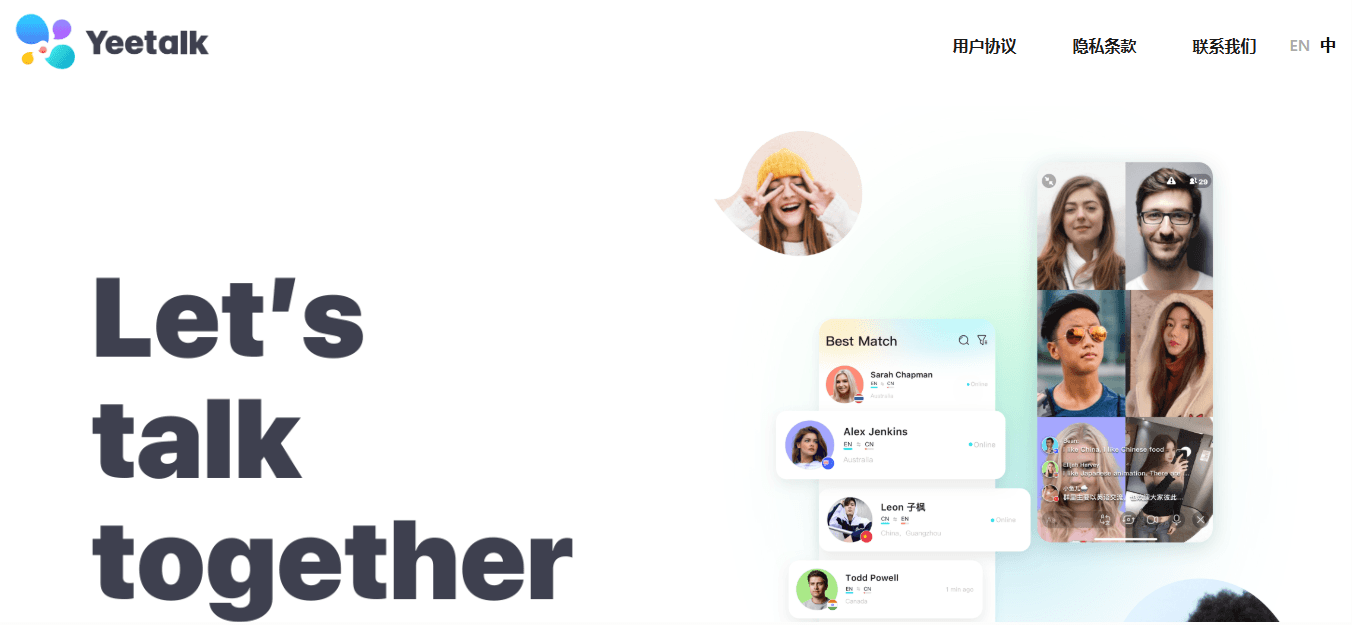
Yeetalk functions as an engaging chat app that connects users globally to practice languages through dual-language conversations, blending social discovery with practical speaking tools for a fresh alternative to solo AI tutoring.
Key Features
Intelligent matching for language partners using native tongue and interests.
Real-time voice and video chatrooms for live group or one-on-one practice.
Built-in translation supporting over 100 languages to remove barriers.
Moments feed for sharing daily life and cultural stories.
Language games and interactive forums to reinforce learning in a playful way.
Filters for age, gender, and location to customize connections.
Pronunciation and vocabulary tools integrated into chats.
Pros
Lively, youthful community encourages fun and consistent speaking practice.
Translation tools enable immediate communication even at beginner levels.
Multimedia features (voice, video, moments) add variety beyond text.
Free basic access promotes broad experimentation.
Cons
Social focus may lead to off-topic chats rather than focused study.
Partner quality varies, similar to other exchange apps.
Less emphasis on formal grammar or structured progression.
Accessibility
Available primarily on Android and iOS as a free app with optional subscriptions for premium matching and features, it has a low-cost entry and a mobile-first design, making it easy for on-the-go global learners.
6. Busuu
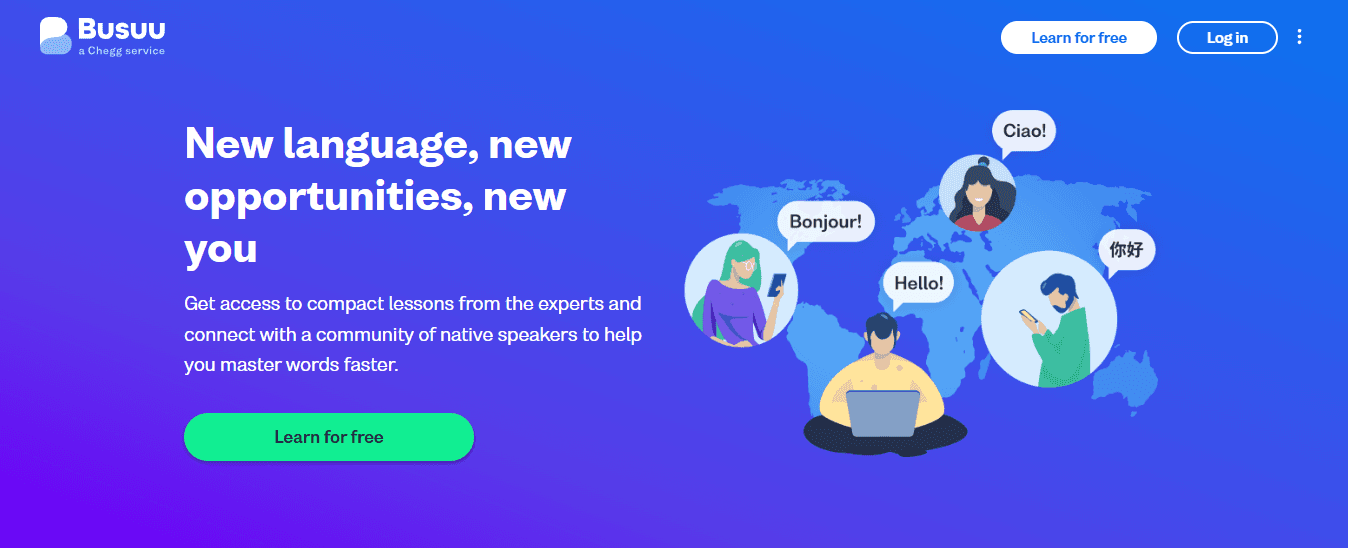
Busuu delivers structured yet interactive lessons, combined with community input, making it a balanced choice that blends guided exercises with native-speaker corrections for well-rounded progress beyond AI-only feedback.
Key Features
Short, practical daily lessons covering grammar, vocabulary, and real-life scenarios.
Native speaker corrections on writing and speaking submissions.
Personalized study plans that adapt to individual goals and pace.
Interactive exercises with audio, video, and pronunciation practice.
Community messaging for additional conversation opportunities.
An offline mode for premium users to learn without an internet connection.
Progress tracking aligned with CEFR standards for measurable advancement.
Pros
Combines expert-designed content with real human feedback for accuracy.
Bite-sized format fits busy schedules effectively.
Strong focus on all four skills (listening, speaking, reading, writing).
Motivational streaks and certificates boost long-term engagement.
Cons
Premium features are needed for full access and advanced content.
Fewer languages are offered compared to broader platforms.
Some users note repetition in exercises over extended use.
Accessibility
Free basic version on Android and iOS with Premium plans (typically $9–14 monthly or longer subscriptions) unlocking full lessons and offline access; its user-friendly interface appeals to learners seeking guided yet social support.
7. BBC Learning English
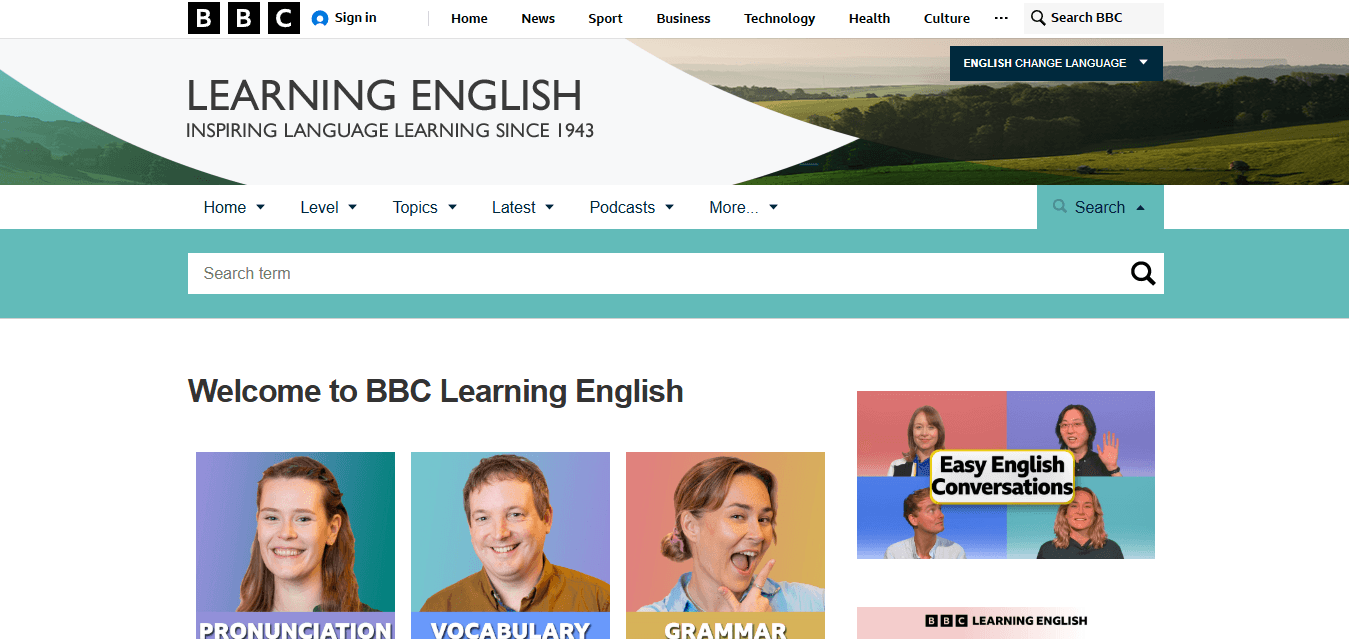
BBC Learning English stands out as a trustworthy, media-rich platform that uses authentic audio, video, and written content produced by language experts to sharpen listening, vocabulary, grammar, and pronunciation skills, offering a refreshing contrast to AI conversation tools by grounding learners in real-world British English usage through short, topical lessons.
Key Features
Daily updated short lessons and audio programs on practical topics like news, business, and everyday English.
Built-in transcripts and subtitles for better comprehension during listening practice.
Interactive quizzes to test understanding of vocabulary and grammar points.
Focus on pronunciation using native-speaker models and explanations.
Categories covering grammar, vocabulary, and real-life scenarios.
Offline download options for audio content in supported formats.
Expert-created materials from BBC journalists and ELT professionals for accuracy.
Pros
Completely free with high-quality, professional content that builds strong listening foundations.
Short, flexible lessons fit easily into busy schedules.
Exposure to authentic British English improves natural comprehension and accent awareness.
No ads or pressure, making it ideal for relaxed, self-paced study.
Cons
Primarily targets English learners rather than offering broad language options.
Lacks interactive speaking practice or live conversation elements.
The dedicated mobile app was discontinued in late 2023, so users rely on the website or third-party players.
May feel less engaging for absolute beginners without a guided structure.
Accessibility
Freely available via the BBC website and compatible with Android/iOS through browsers or alternative podcast-style apps; no subscription required, though internet is needed for fresh content, suiting learners seeking reliable, cost-free resources.
8. Seekho
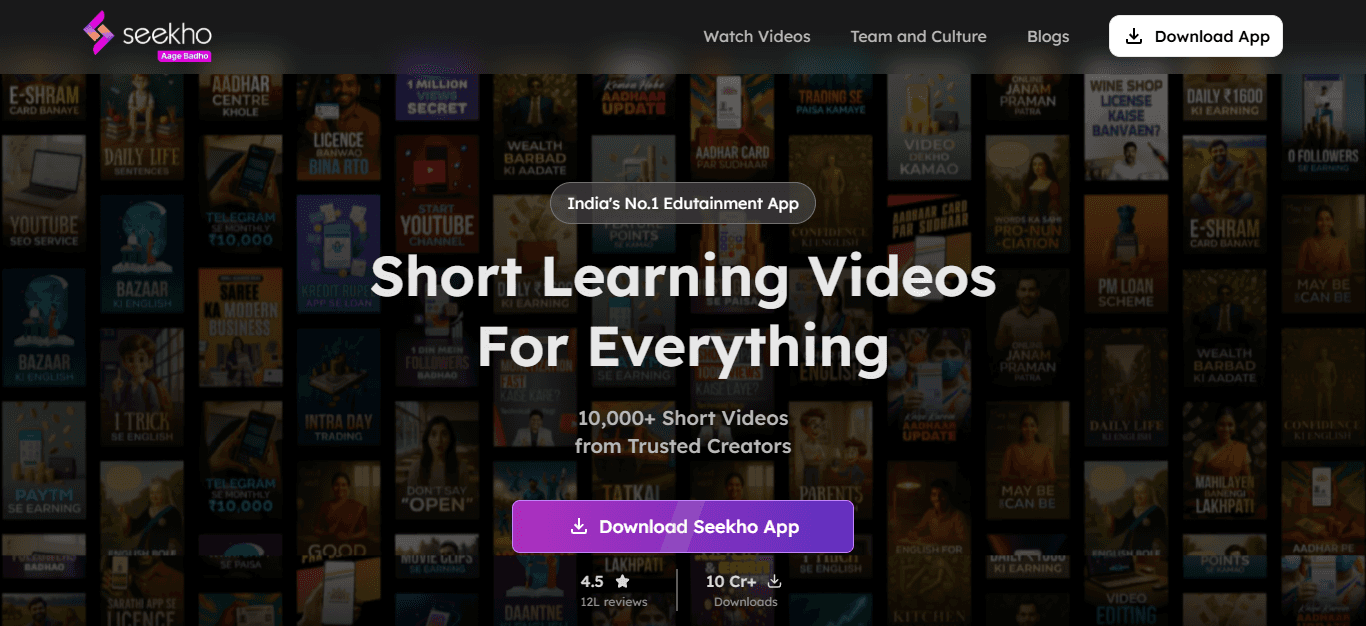
Seekho provides a vast video-based learning hub with thousands of tutorials across skills, including language modules, that support visual learners through structured courses and practical demonstrations, serving as a strong supplement for those wanting more than chat-based practice.
Key Features
Over 10,000 video tutorials covering language alongside tech, business, and design topics.
Structured courses with step-by-step video guidance for skill building.
Searchable content for specific language or communication skills.
Progress tracking within enrolled courses.
Mobile-friendly video player for on-the-go viewing.
Community or comment sections for additional insights in some courses.
Affordable access to premium video libraries.
Pros
A wide variety of video content enables learning languages in context alongside other useful skills.
Visual format helps visual learners absorb pronunciation, expressions, and usage.
Flexible pacing suits self-directed study.
Often more affordable than full language platforms for supplementary learning.
Cons
Language content is not as specialized or comprehensive as dedicated apps.
Less emphasis on interactive speaking or real-time feedback.
Quality can vary across user-generated or third-party courses.
Requires consistent motivation without strong gamification.
Accessibility
Available on Android with free and paid course options; subscriptions or one-time purchases unlock full libraries, making it budget-friendly for users in regions like Lagos who prefer video tutorials.
9. Cake
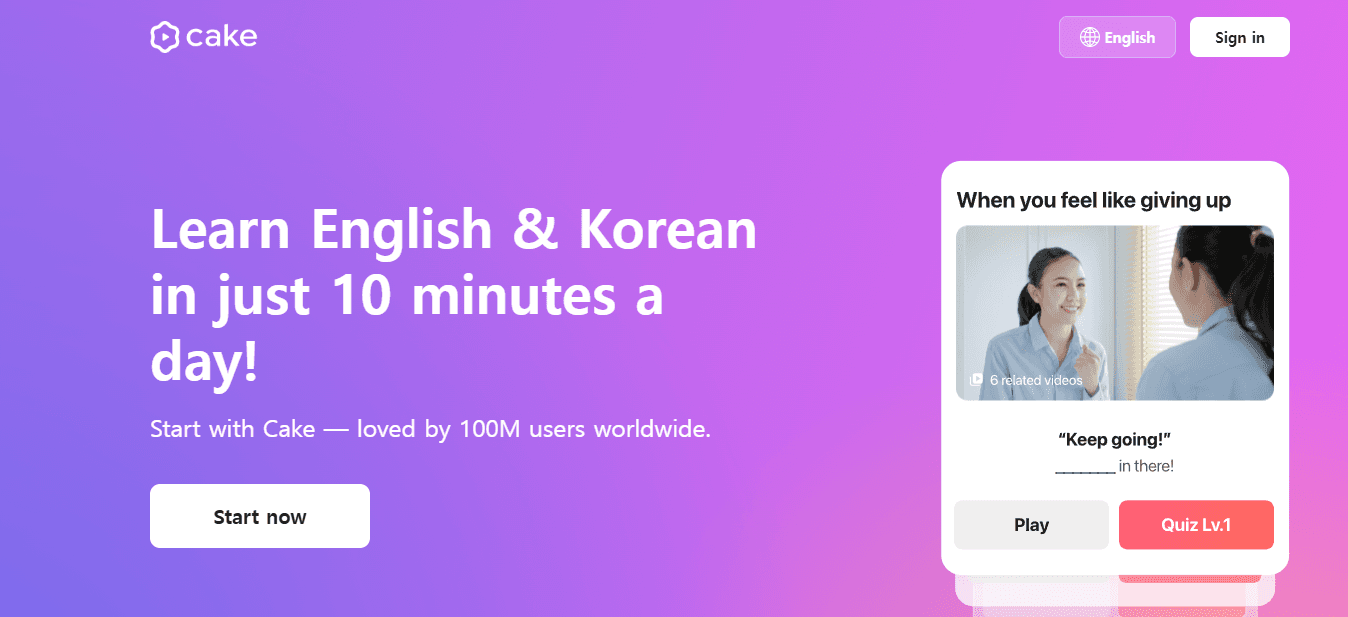
Cake excels at teaching real-world English (and sometimes Korean) through bite-sized video clips from everyday media, dramas, and conversations, combined with pronunciation tools that help learners master natural expressions and fluency in a fun, immersive way beyond scripted AI sessions.
Key Features
Short video lessons featuring authentic clips from TV, movies, vlogs, and songs.
Transcripts, subtitles, and adjustable playback speed for detailed study.
AI-powered pronunciation coach for recording and instant feedback.
Interactive quizzes on vocabulary, listening, and expressions.
Step-by-step classes and curated units by topic or level.
Daily free updates with fresh content.
Word/sentence saving and review features for reinforcement.
Pros
Focus on natural, colloquial language improves confidence in real-life listening and speaking.
An engaging video format keeps motivation high for visual and auditory learners.
Pronunciation feedback helps refine accent and intonation effectively.
Free daily lessons provide strong value without immediate payment.
Cons
Strongest for English (and limited Korean), with fewer options for other languages.
The free version has restrictions, such as limited hearts or ads.
May overwhelm complete beginners without prior basics.
Heavy reliance on the internet for video streaming.
Accessibility
Free core access on Android and iOS with Cake Plus subscription (affordable monthly or yearly plans) for unlimited features and ad-free experience; its simple interface makes it approachable for busy learners worldwide.
10. Speaky
Speaky connects users with a large global community for straightforward language exchange via messaging and calls, emphasizing mutual practice to build conversational comfort and cultural exchange in a no-frills environment.
Key Features
Easy matching with native speakers across hundreds of languages.
Text chat, voice notes, and voice calls for flexible practice.
Correction tools where partners can suggest improvements.
Filters for age, location, and learning goals to find suitable partners.
Large active user base for quick connections.
Simple profile setup focused on language exchange.
Option to share images or basic media in chats.
Pros
A straightforward interface helps users practice conversations quickly.
Free core features support unlimited messaging and basic calls.
Exposure to diverse accents and real usage accelerates practical fluency.
Good for intermediate learners who want low-pressure exchanges.
Cons
Can feel hit-or-miss with partner quality or response rates.
Limited built-in tools for grammar or structured lessons.
Users report occasional bugs or slower message delivery.
Social elements may include non-serious interactions.
Accessibility
Primarily free on Android and iOS with optional premium upgrades (around $6 monthly) for enhanced features; its minimal design and global reach make it highly accessible for mobile users seeking simple exchanges.
11. LingoTube
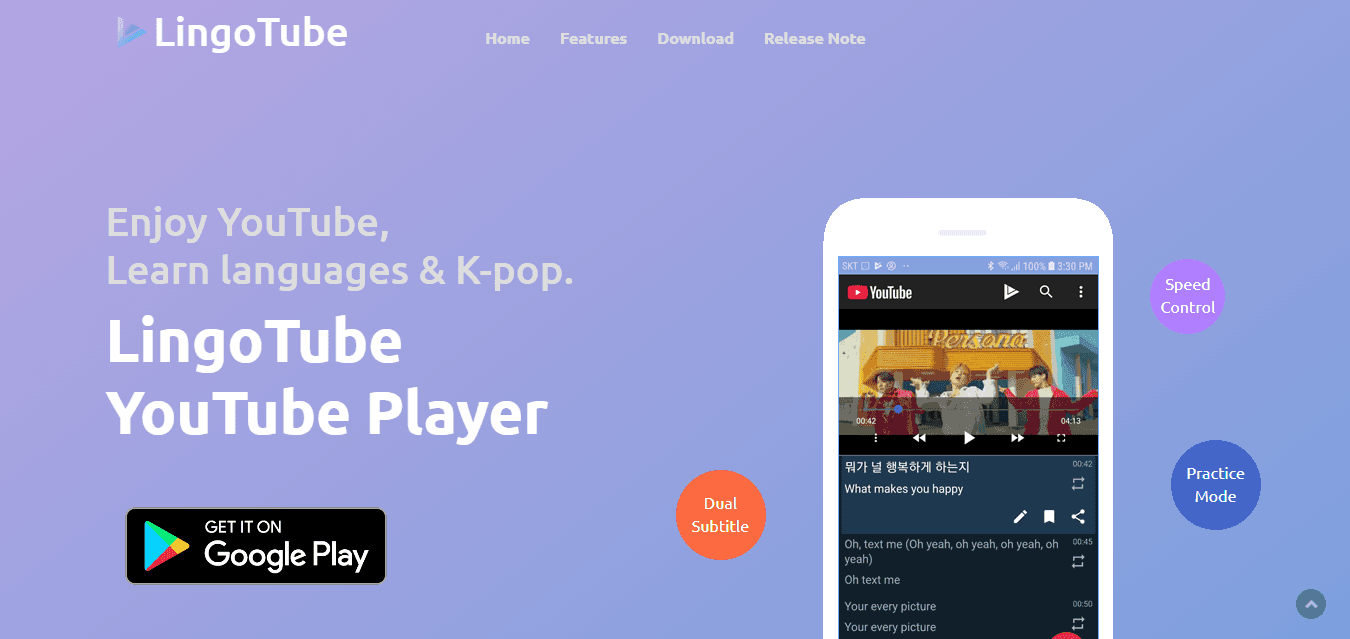
LingoTube transforms YouTube into a powerful language-learning tool by adding dual subtitles and learning aids, enabling immersive practice with real videos while supporting listening, reading, and vocabulary building across multiple languages.
Key Features
Dual subtitles in native and target languages for better understanding.
Playback speed control and practice modes for focused repetition.
Support for popular languages like English, Spanish, Korean, French, and German.
Catalog of learner-friendly YouTube videos and channels.
Ability to play local video files with subtitle support.
Google Translate integration for additional help.
Bookmarking and favorites for saving useful content.
Pros
Leverages vast free YouTube content for endless authentic material.
Dual subtitles bridge comprehension gaps effectively.
Great for improving listening and reading simultaneously.
Flexible for self-directed learners who enjoy video immersion.
Cons
Depends on the YouTube video quality and the availability of subtitles.
No built-in speaking practice or AI feedback.
Requires a stable internet connection to stream most content.
Less structured than lesson-based apps.
Accessibility
Free on Android with optional in-app purchases; simple setup and compatibility with existing YouTube habits make it an easy, low-cost addition for visual learners.
How to Choose the Best Pingo AI Alternative
Picking a strong alternative means looking at how well a platform turns practice time into measurable speaking confidence. Find tools that catch pronunciation mistakes before they become habits, give you realistic conversation situations that match how you'll actually use the language, and change difficulty based on your specific weak areas. The best platforms focus on speaking as the main focus, building every lesson around active speaking rather than just passive listening drills.
💡 Pro Tip: Test each platform's speech recognition accuracy by speaking the same phrase 3-5 times - the tool should consistently identify your specific pronunciation errors, not just give generic feedback.
⚠️ Warning: Avoid platforms that rely heavily on multiple-choice questions or text-based exercises - these won't build the muscle memory needed for real-time conversation confidence.
"The most effective language learning happens when 85% of practice time is spent on active speaking rather than passive consumption." — Language Learning Research Institute, 2023
Key Feature | What to Look For | Red Flag |
|---|---|---|
Speech Recognition | Identifies specific pronunciation errors | Generic "try again" feedback |
Conversation Practice | Real-world scenarios you'll actually use | Scripted, unrealistic dialogues |
Difficulty Adjustment | Adapts to your weak areas automatically | One-size-fits-all lessons |
Progress Tracking | Measurable speaking confidence metrics | Vague "completion" percentages |

Assessing Proven Effectiveness in Skill Development
Good alternatives provide quick fixes for small mistakes, such as stress placement, vowel length, and missing consonants, that native speakers notice immediately. The best systems track mistakes across sessions, reveal patterns you might miss on your own, and tailor follow-up practice to your specific weaknesses. This targeted approach accelerates learning because each session addresses your actual gaps rather than generic content. When feedback links today's mistakes to tomorrow's focused practice, you build skills that transfer to unpredictable real conversations instead of just performing well within the app.
Evaluating Depth and Relevance of Learning Content
Good platforms progress beyond simple greetings to more challenging conversations as users advance. Conversations should build on previous topics, recall earlier exchanges, and allow learners to choose relevant subjects—such as negotiating work deadlines, discussing medical concerns, or debating cultural topics. Realistic dialogue scenarios and contextual vocabulary help learners retain phrases and use them confidently outside the app. Content should include cultural context and idiomatic expressions that explain why certain phrases sound natural, transforming study into practice for authentic conversations.
Reviewing Platform Design and User Experience
Easy-to-use navigation with responsive AI, clear audio, and quick session starts removes friction that kills daily habits before they form. The interface should feel invisible, letting you focus entirely on speaking rather than navigating menus or waiting for responses. Top alternatives optimize mobile performance for short commute sessions or longer focused practice at home, adapting smoothly to different contexts. When the platform anticipates your needs and delivers instantly, practice becomes effortless rather than another obligation.
How do adaptive tools personalize your learning experience?
Good alternatives track which grammar structures you avoid, which pronunciation patterns trip you up, and which vocabulary gaps persist, then adjust lesson difficulty accordingly. This adaptive approach respects different schedules and goals, whether you prefer small daily sessions or deeper dives. The best tools let you practice specific scenarios you'll face next week, turning abstract drills into deliberate preparation that builds confidence for actual moments.
What makes conversation-focused platforms like Pingo AI effective?
For Arabic learners seeking conversation-focused instruction, Kalam offers a speaking coach who teaches Arabic dialects through short daily lessons, emphasizing pronunciation accuracy and real-life dialogue. Trusted by over 10,000 members worldwide and rated 4.8 on the App Store, our platform treats active speaking practice as foundational rather than optional, bridging the gap between study and genuine conversational ability. But choosing the right platform matters only if you start using it, and that's where most good intentions fall apart.
Learn Arabic in Any Dialect Today with Kalam
The hardest part of learning any language isn't finding the right app or setting ambitious goals. It's showing up tomorrow after the initial excitement fades, when the streak breaks, when the practice session feels like one more task competing with work emails and dinner plans. Most platforms optimize for engagement metrics and colorful dashboards rather than building the neural pathways that let you retrieve words under pressure in real conversations.

🎯 Key Point: Real language learning happens when you can retrieve words under pressure, not when you complete daily streaks.
Kalam provides focused speaking practice that builds confidence through conversation coaching rather than completion badges. It makes speaking Arabic feel natural through short, effective daily sessions, rather than lenient AI chats that accept mistakes or shallow tourist-phrase content. The app immerses you in realistic scenarios while delivering clear feedback that keeps you on track, without overly forgiving recognition or requiring supplementary resources.
"Most language apps optimize for engagement metrics instead of building the neural pathways needed for real conversations." — Language Learning Research, 2024
Sessions take minutes, not hours, and emphasize steady improvement through pronunciation accuracy rather than passive vocabulary lists. You practice Arabic across Egyptian, Levantine, and Gulf dialects through video demonstrations, interactive games, and voice recognition that catches subtle errors before they become permanent habits. The platform remembers your weak spots and surfaces them in new contexts until you master them.
Dialect | Best For | Key Features |
|---|---|---|
Egyptian | Media consumption | Video demos, cultural context |
Levantine | Social connections | Interactive games, conversation practice |
Gulf Arabic | Business contexts | Professional scenarios, formal speech |
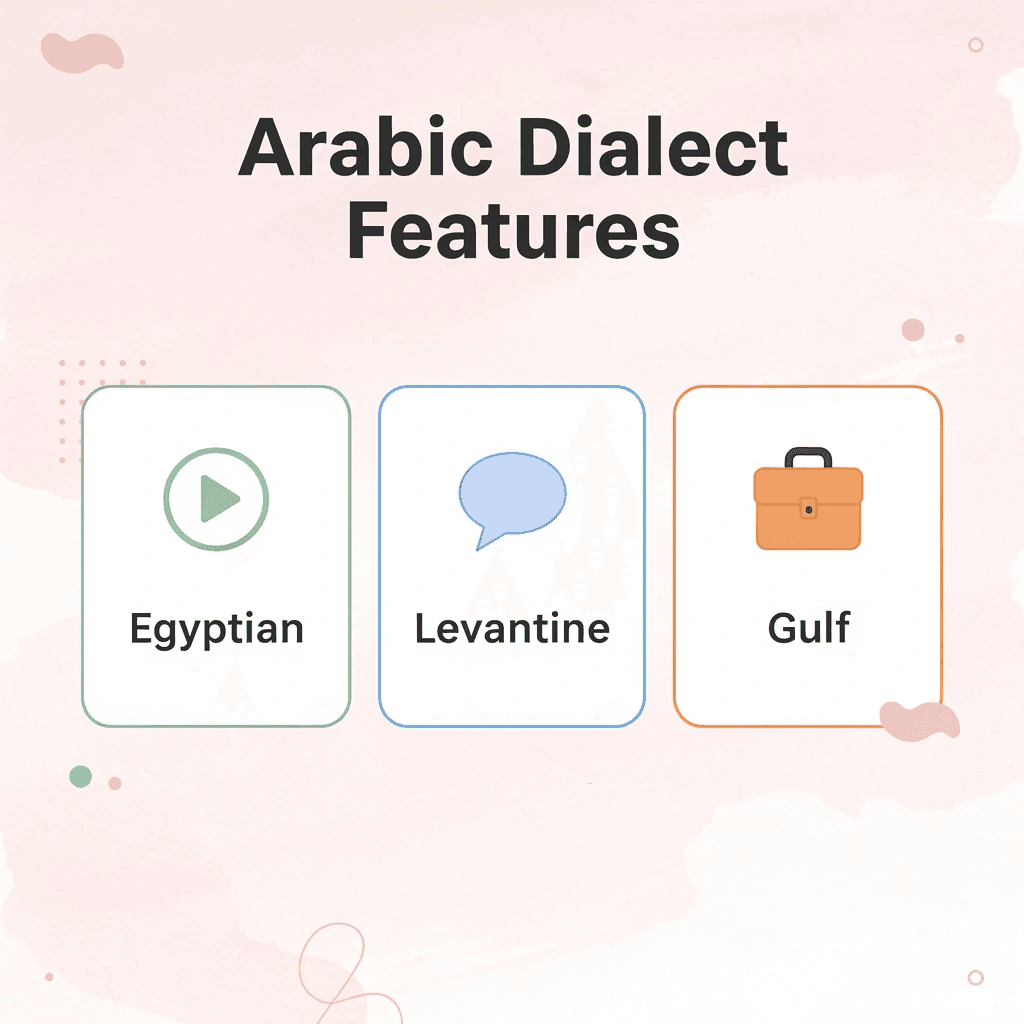
Trusted by over 10,000 members worldwide and rated 4.8 on the App Store, Kalam delivers consistent progress tailored to Arabic learners seeking an alternative to platforms that prioritize streaks over speaking ability. Features like pronunciation guides, meaning breakdowns that explain cultural context, and habit tracking work together to close the gap between study and conversational ability.
💡 Tip: Focus on pronunciation accuracy from day one - it's much harder to correct bad habits later than to build good ones from the start.

The difference shows up when you stop thinking about what to say next and say it, when the sounds feel automatic instead of foreign, when you steer conversations toward topics you care about instead of retreating to memorized scripts. That shift happens when every practice session treats speaking as the foundation rather than the final exam, when feedback corrects you immediately instead of praising effort that reinforces errors.
Start learning Arabic today with Kalam. The app makes mastering conversational Arabic straightforward through daily routines that fit your schedule, whether you need Egyptian for media consumption, Levantine for social connections, or Gulf Arabic for business contexts. Fluency comes from consistent practice that challenges you without overwhelming you.
Related Reading
Arabic Vowels
Arabic Basics
Urdu Vs Arabic
Arabic Vs Hebrew
Basic Arabic Phrases
Best App To Learn Arabic